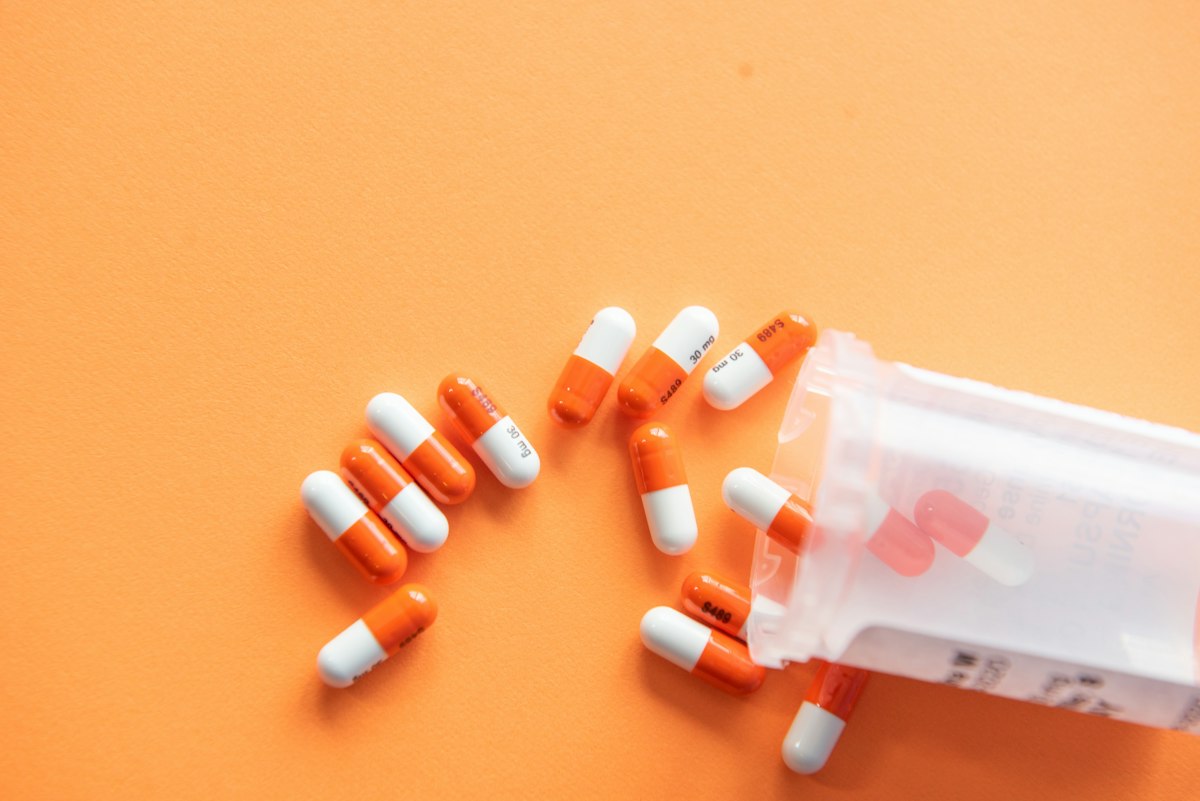
Which Phosphate Binders Are Available? A Comparison of Options in Taiwan, and When Parathyroid Surgery Is Advised
High phosphate is a silent killer for dialysis patients, driving vascular calcification and bone disease over time. This article compares the phosphate binders available in Taiwan (calcium salts, Phoslo, Fosrenol, Renvela, Nephoxil and others) and explains how high parathyroid hormone is managed — including when surgery is recommended.
Why Lower Phosphate?
As kidney function declines, phosphate cannot be excreted. Rising phosphate → parathyroid glands release more parathyroid hormone (PTH) → bone releases calcium and phosphate → calcium–phosphate deposits in blood vessels, heart valves, joints and skin. This cascade is CKD-MBD (chronic kidney disease–mineral and bone disorder).
Consequences:
- Vascular calcification → cardiovascular disease (the leading cause of death on dialysis)
- Renal osteodystrophy → bone pain, fractures
- Itching
- Calciphylaxis → rare but deadly
Three pillars of phosphate control: dietary restriction, adequate dialysis, phosphate binders. This article focuses on the third.
How Binders Work
Taken with meals, they bind dietary phosphate in the gut into non-absorbable compounds that leave in the stool. The key is "with food" — too early before or too long after a meal sharply reduces effectiveness. Binders cut phosphate absorption by about 30–40%.
Phosphate Binders Available in Taiwan
First line (NHI-covered): calcium-based binders
| Drug | Common brands | Features | Cautions |
|---|---|---|---|
| Calcium carbonate | Generic CaCO₃ 500 mg | Cheap, covered, also supplies calcium | Needs stomach acid to work (poor with antacids); hypercalcemia risk; long-term high doses may accelerate vascular calcification |
| Calcium acetate | Phoslo | About twice the binding power of carbonate, acid-independent, less calcium load | Hypercalcemia risk remains, though lower; GI upset |
KDIGO 2017 recommends limiting calcium-based binder doses, especially in patients with existing vascular calcification, hypercalcemia or low PTH (adynamic bone disease).
Second line (mostly self-paid or conditionally covered): calcium-free binders
| Drug | Common brands | Features | Cautions |
|---|---|---|---|
| Lanthanum carbonate | Fosrenol | Strong binding, low pill burden (chewable); calcium-free, not absorbed | Must be chewed; nausea, constipation; higher cost; long-term lanthanum deposition in bone/liver appears largely safe |
| Sevelamer | Renvela (sevelamer carbonate), Renagel (sevelamer hydrochloride) | Calcium-free, metal-free; also lowers LDL cholesterol; may slow vascular calcification | High pill burden (2–4 per meal); bloating, constipation; hydrochloride form may cause acidosis — carbonate form improves this; expensive |
| Ferric citrate | Nephoxil | Calcium-free; also supplies iron, reducing IV iron and ESA needs | Black stools (normal); diarrhea; unsuitable with iron overload; avoid taking with high-oxalate foods |
| Sucroferric oxyhydroxide | Velphoro | Chewable, low pill burden (1 per meal); iron-based but minimally absorbed | Black stools; diarrhea |
| Magnesium carbonate | Usually in combinations | Calcium-free | Hypermagnesemia risk; rarely used |
No longer recommended: aluminum-based binders
Aluminum hydroxide binds most strongly but causes aluminum toxicity (dementia, osteomalacia, anemia) with long-term use; now reserved for short-term use in extreme cases.
New mechanism
Tenapanor (Xphozah): not a binder — it blocks the intestinal NHE3 transporter to reduce phosphate absorption. FDA-approved in 2023; not yet marketed in Taiwan at the time of writing.
How to Choose
There is no single best — only the most suitable. Consider:
- Serum calcium: avoid calcium-based binders if high
- Degree of vascular calcification: prefer calcium-free if present
- Anemia and iron status: iron-deficient patients may benefit from ferric citrate (two birds, one stone)
- Lipids: high LDL may favor sevelamer
- Pill burden: chewables (Fosrenol, Velphoro) for those with swallowing difficulty or too many pills
- GI tolerance: avoid lanthanum and sevelamer if constipation is severe
- Cost: self-paid options run several thousand NT dollars a month
Everyone responds differently — the same dose controls phosphate well in some and fails or causes side effects in others. Discuss switching with your doctor as needed, and combining two binders (e.g. calcium plus Fosrenol) to reduce the dose of each is common.
Tips for Taking Binders
- With meals: at the first bite, or spread through the meal
- Adjust to phosphate load: an extra tablet with a large meal, fewer with a light one
- Snacks too: protein-containing snacks (milk, nuts) need a binder
- Chew chewables
- Space from other drugs: binders interfere with absorption of some medications (antibiotics, thyroid hormone, iron) — separate by 1–2 hours
What About High Parathyroid Hormone (iPTH)?
Target range
KDIGO 2017 suggests dialysis patients keep iPTH at 2–9 times the upper limit of normal (roughly 130–600 pg/mL) — avoiding both too high (bone loss, calcification) and too low (adynamic bone disease).
Stepwise treatment
- Control phosphate (diet plus binders)
- Active vitamin D: calcitriol (oral or IV), paricalcitol
- Calcimimetics: cinacalcet (Regpara, oral), etelcalcetide (Parsabiv, IV at dialysis) — act directly on the parathyroid calcium-sensing receptor to lower PTH without raising calcium or phosphate
- Parathyroidectomy
When is surgery recommended?
When medical therapy fails:
- iPTH persistently > 800–1000 pg/mL with poor response to active vitamin D and calcimimetics
- Refractory hypercalcemia or hyperphosphatemia
- Imaging (ultrasound or nuclear scan) showing markedly enlarged glands (> 1 cm diameter or > 500 mm³ volume) — these have usually become "nodular hyperplasia," which responds poorly to drugs
- Severe symptoms: bone pain, fractures, intractable itching, calciphylaxis, progressive vascular calcification
Why do drugs usually stop working once iPTH exceeds 1000? By then the glands have typically undergone nodular hyperplasia, with greatly reduced calcium-sensing and vitamin D receptors — the drugs have no "target" left to act on. Further delay means continued bone loss, continued vascular calcification and continually rising cardiovascular risk.
Surgical approaches
- Subtotal: remove 3½ glands, leave half of one
- Total with autotransplantation: remove all, implant a small piece in the forearm or sternocleidomastoid muscle so recurrence can be managed locally
- Total without transplant: less common; requires lifelong calcium supplementation
After surgery
- Hungry bone syndrome: bone rapidly reabsorbs calcium and phosphate, causing severe hypocalcemia; requires intensive calcium and active vitamin D, usually with several days of inpatient monitoring
- Long-term monitoring of iPTH, calcium and phosphate; some patients recur years later
Key Takeaways
- High phosphate drives cardiovascular disease and bone disease in dialysis patients
- Binders only work taken with food
- Calcium-based (carbonate, Phoslo) are cheap but carry hypercalcemia and calcification concerns; calcium-free (Fosrenol, Renvela, Nephoxil, Velphoro) each have distinct profiles
- Individual responses vary widely — discuss switching or combining with your doctor
- Target iPTH about 130–600 pg/mL; persistently above 800–1000 with failed medical therapy warrants evaluation for parathyroidectomy — delay only prolongs bone and vascular damage
References
- KDIGO. 2017 Clinical Practice Guideline Update for the Diagnosis, Evaluation, Prevention, and Treatment of CKD-MBD. Kidney Int Suppl. 2017;7:1–59.
- National Kidney Foundation. KDOQI US Commentary on the 2017 KDIGO CKD-MBD Guideline Update. Am J Kidney Dis. 2017.
- China Medical University Hospital. Patient leaflet: How ESRD patients should take phosphate binders.
- Kaohsiung Veterans General Hospital. Kidney disease and phosphate binder education.
- Kaohsiung Medical University Hospital. SDM aid: Treatment options for hyperphosphatemia.
- Lau WL, et al. Parathyroidectomy in the Management of Secondary Hyperparathyroidism. Clin J Am Soc Nephrol. 2018.
- Taiwan FDA. Drug license database.
This article summarizes publicly available medical information for educational purposes only and is not medical advice. Always follow your physician's prescription. For any questions about your health, illness or physical care, please seek help through professional medical channels and consult your physician.
Articoli correlati

Asia Travel Dialysis Map: Clinics and Hospitals Accepting Overseas Hemodialysis Patients (East, Southeast, South Asia and Middle East — verified Oct 2026)
Fifteen countries/regions — Japan, Korea, Taiwan, Hong Kong, China, Singapore, Malaysia, Thailand, Vietnam, the Philippines, Indonesia, India, Sri Lanka, UAE and Turkey — with addresses, fee ranges, booking difficulty and links, plus Asia-specific notes on HIV reports, hepatitis B and drinking water.

What Are the Complications of Dialysis? Short- and Long-Term Problems and Their Treatment
Dialysis sustains life, but it also brings a series of problems that need long-term management — from low blood pressure and cramps during treatment to cardiovascular disease, bone disorders, anemia and infection over the years. Understanding them is the first step to preventing them with your care team.

Hemodialysis vs. Peritoneal Dialysis: Principles, Procedures, Pros and Cons
Both types of dialysis effectively remove toxins and fluid, but the methods, lifestyles and risks differ sharply. This article compares them point by point — from the underlying science to daily life — to help you and your care team choose.