Tutti gli articoli

Esplora ogni aspetto della vita con una malattia renale

15 Practical Fitness Tips for Kidney Patients: Using RPE for Intensity, Progressive Overload, Protein Without Harming Your Kidneys, SARC-F Sarcopenia Self-Test, Warm-up & Breathing, Hydration and the Potassium in Sports Drinks
Allenamento e fitness 12 min di lettura

15 Practical Fitness Tips for Kidney Patients: Using RPE for Intensity, Progressive Overload, Protein Without Harming Your Kidneys, SARC-F Sarcopenia Self-Test, Warm-up & Breathing, Hydration and the Potassium in Sports Drinks

Once you know you *should* exercise, the real sticking points are how, how much, and what to eat. This article answers the 15 questions kidney patients ask most: the RPE scale, how much weight to add each week, protein targets for non-dialysis CKD / dialysis / transplant, what to eat after training, the 5-question SARC-F test, warm-up and cool-down, breathing, the potassium content of sports drinks, and which symptoms mean stop. Every tip cites its evidence.


Leggi tutto
How Should Kidney Transplant Recipients Train? Protecting the Graft, Steroid & Immunosuppressant Effects, Phase-by-Phase Post-Surgery Program, and Countering Post-Transplant Diabetes & Bone Loss
Allenamento e fitness 14 min di lettura

How Should Kidney Transplant Recipients Train? Protecting the Graft, Steroid & Immunosuppressant Effects, Phase-by-Phase Post-Surgery Program, and Countering Post-Transplant Diabetes & Bone Loss

A successful transplant is not the finish line; it is the start of rebuilding a body that dialysis and medication have worn down. Based on the KDIGO transplant guideline and transplant-recipient exercise RCTs, this article explains where the graft sits and which movements to avoid; how prednisolone and tacrolimus affect muscle and glucose; what to train at 0–6 weeks, 6–12 weeks and beyond 3 months; and how training counters post-transplant diabetes, bone loss and cardiovascular risk.

Leggi tutto
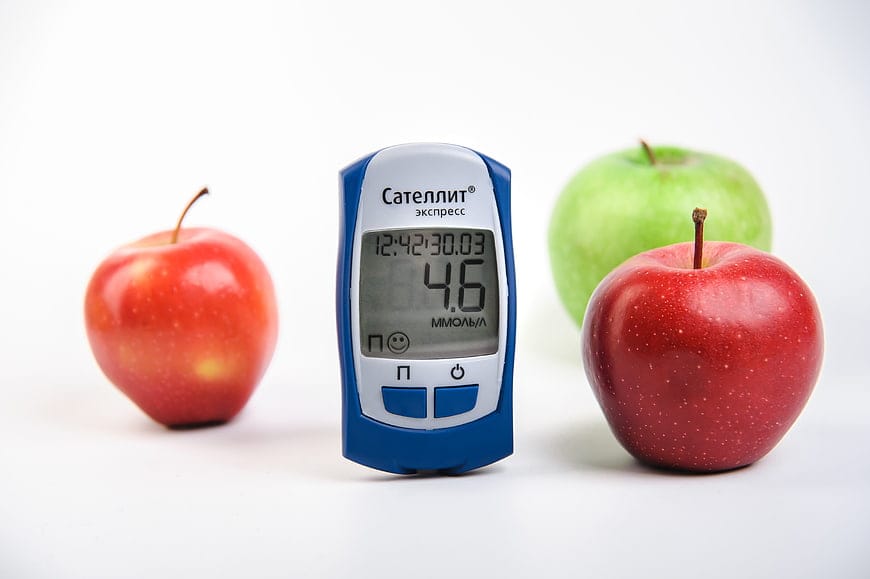
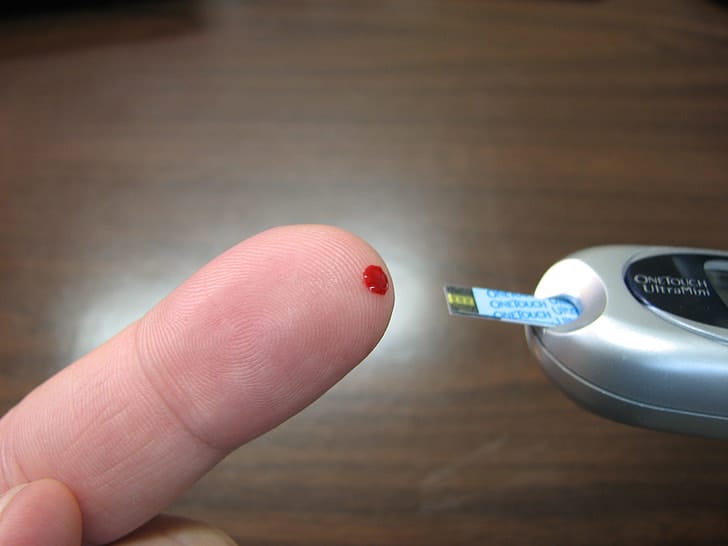
How Diabetic Kidney Patients Should Train: When to Check Glucose, When Not to Train, the Science of Post-Meal Walking, Protecting Feet and Eyes, and Adjustments for Insulin and SGLT2 Users
Allenamento e fitness 12 min di lettura

How Diabetic Kidney Patients Should Train: When to Check Glucose, When Not to Train, the Science of Post-Meal Walking, Protecting Feet and Eyes, and Adjustments for Insulin and SGLT2 Users

People with diabetes and kidney disease gain the most from exercise (glucose, blood pressure and albuminuria all improve) but must manage three special problems: hypoglycaemia, foot injury and retinopathy. Based on ADA 2025 and KDIGO 2022, this article explains how to read glucose before, during and after exercise, why post-meal walking works, when not to train, how insulin and each glucose-lowering drug class interact with exercise, and gives a sample week.

Leggi tutto
How Dialysis Patients Should Train: A 12-Week Program for Hemodialysis and Peritoneal Dialysis — Intradialytic Exercise, Fistula Protection, Abdominal Pressure, Potassium and Fluids
Allenamento e fitness 14 min di lettura

How Dialysis Patients Should Train: A 12-Week Program for Hemodialysis and Peritoneal Dialysis — Intradialytic Exercise, Fistula Protection, Abdominal Pressure, Potassium and Fluids

Dialysis patients need training the most and are told to "take it easy" the most. Based on Cochrane 2022, KDOQI and renal rehabilitation guidelines, this article gives separate 12-week plans for HD and PD: when to train (on dialysis / non-dialysis days), what to train (aerobic + strength + balance), how to handle the fistula arm, which movements PD patients must avoid, how to manage potassium and dehydration, and eight exercises you can do in the dialysis chair.

Leggi tutto
Why Should Kidney Patients Exercise, and What Do They Gain? From KDIGO Guidelines to 2024 Systematic Reviews — An Evidence-Based Answer
Allenamento e fitness 13 min di lettura

Why Should Kidney Patients Exercise, and What Do They Gain? From KDIGO Guidelines to 2024 Systematic Reviews — An Evidence-Based Answer

Many kidney patients are told to "rest more", yet three decades of research agree: regular aerobic and strength exercise lowers mortality, improves heart and lung function, fights sarcopenia, stabilises blood pressure and glucose, eases depression and sleep, and even makes dialysis more efficient. We summarise KDIGO 2024, KDOQI, Cochrane and major meta-analyses to answer "why move" and "what you get".

Leggi tutto
Glycemic Index Food Guide for Diabetic Kidney Patients: Full Low/Medium/High GI Table, Recommended and Not-Recommended Lists, and How to Balance Potassium, Phosphorus and Protein
Alimentazione e nutrizione 14 min di lettura

Glycemic Index Food Guide for Diabetic Kidney Patients: Full Low/Medium/High GI Table, Recommended and Not-Recommended Lists, and How to Balance Potassium, Phosphorus and Protein

Diabetes plus kidney disease is the hardest diet to manage: control glucose, limit potassium and phosphorus, and get protein just right. This guide lists the GI and glycemic load of 90+ everyday foods, flags which low-GI foods are also low in potassium and phosphorus (truly recommended), which are low-GI but high-potassium (handle with care), and which high-GI foods to avoid — plus pre- vs post-dialysis protein, safe hypoglycaemia treatment and a sample day.

Leggi tutto
Polycystic Kidney Disease (ADPKD): Inheritance, Predicting How Fast It Progresses, the Science Behind Tolvaptan and 3 Litres of Water a Day, Family Screening, and Whether to Remove the Kidneys Before Transplant
Malattia renale cronica 12 min di lettura

Polycystic Kidney Disease (ADPKD): Inheritance, Predicting How Fast It Progresses, the Science Behind Tolvaptan and 3 Litres of Water a Day, Family Screening, and Whether to Remove the Kidneys Before Transplant

ADPKD is the most common inherited kidney disease — about 1 in 1,000 people carry the gene and it accounts for 5–10% of the world's dialysis population. PKD1 vs PKD2, how the Mayo imaging class predicts the age of kidney failure, tolvaptan (the only approved disease-slowing drug), the evidence for water and salt, brain aneurysm screening, whether children should be tested, and how huge kidneys are handled on dialysis and at transplant.

Leggi tutto
Lupus and the Kidney: The Six Classes of Lupus Nephritis, the 2024 Treatment Shift (belimumab, voclosporin, obinutuzumab), and When Dialysis or Transplant Comes In
Malattia renale cronica 12 min di lettura

Lupus and the Kidney: The Six Classes of Lupus Nephritis, the 2024 Treatment Shift (belimumab, voclosporin, obinutuzumab), and When Dialysis or Transplant Comes In

About 40–60% of people with systemic lupus erythematosus develop lupus nephritis, a leading cause of kidney failure in young women. Why a biopsy is essential, what the six classes mean, the move to low-dose steroids and triple therapy, and what is different for lupus patients on dialysis or waiting for a transplant.

Leggi tutto
Diabetes and Kidney Disease: Why It Is the No. 1 Cause of Dialysis, How to Screen, and Which New Drugs Protect the Kidneys (2026 Guide)
Malattia renale cronica 13 min di lettura

Diabetes and Kidney Disease: Why It Is the No. 1 Cause of Dialysis, How to Screen, and Which New Drugs Protect the Kidneys (2026 Guide)

Nearly half of new dialysis patients in Taiwan start because of diabetes. A plain-language guide to how high glucose damages the kidney, the two tests to do every year, glucose and blood-pressure targets, the three kidney-protective drug classes (SGLT2 inhibitors, GLP-1 RAs, finerenone), and what changes once you are on dialysis or transplanted.

Leggi tutto
Dining Out and Travel Food Guide: How to Look Up Ingredients, Ask Restaurants and Order — Dialysis and Transplant Patients Addressed Separately
Alimentazione e nutrizione 14 min di lettura

Dining Out and Travel Food Guide: How to Look Up Ingredients, Ask Restaurants and Order — Dialysis and Transplant Patients Addressed Separately

More than "what not to eat": nutrient databases by country (USDA, Open Food Facts, Taiwan/Japan/Korea), a hazards-and-safe-picks table for seven cuisines, trilingual restaurant phrase cards, dialysis-day planning, and food safety and grapefruit-family identification for transplant recipients. Dialysis and transplant populations are kept separate throughout.

Leggi tutto
Fact check: Is there research behind "cordyceps, reishi and astragalus protect the kidneys and lower creatinine"?
Verifica delle evidenze 8 min di lettura

Fact check: Is there research behind "cordyceps, reishi and astragalus protect the kidneys and lower creatinine"?

The supplement category most often sold to kidney patients in Asia. We reviewed the Cochrane systematic reviews and Chinese randomised trials: low-quality evidence suggests cordyceps preparations may slightly lower creatinine, but trials were small, short and reported no hard outcomes — and for transplant recipients there are immune-stimulation and drug-interaction concerns.

Leggi tutto
Which Phosphate Binders Are Available? A Comparison of Options in Taiwan, and When Parathyroid Surgery Is Advised
Emodialisi 9 min di lettura

Which Phosphate Binders Are Available? A Comparison of Options in Taiwan, and When Parathyroid Surgery Is Advised

High phosphate is a silent killer for dialysis patients, driving vascular calcification and bone disease over time. This article compares the phosphate binders available in Taiwan (calcium salts, Phoslo, Fosrenol, Renvela, Nephoxil and others) and explains how high parathyroid hormone is managed — including when surgery is recommended.

Leggi tutto
Anti-Rejection Drug Interactions: The Complete List of Foods, Medicines and Supplements to Watch — Grapefruit, Pomelo, Paxlovid, NSAIDs, Herbs and Vaccines (v1.1, updated 2026-10-13)
Trapianto renale 24 min di lettura

Anti-Rejection Drug Interactions: The Complete List of Foods, Medicines and Supplements to Watch — Grapefruit, Pomelo, Paxlovid, NSAIDs, Herbs and Vaccines (v1.1, updated 2026-10-13)

What "fights" with tacrolimus, cyclosporine, sirolimus, mycophenolate and azathioprine after a kidney transplant? A red/amber/orange-graded list of 60+ foods, herbs, supplements, prescription drugs and vaccines, with practical habits, a version history and 21 references.

Leggi tutto
Personal Notes on Medications and Supplements for Kidney Patients: Kremezin, Probiotics, Magnesium, Fish Oil, Creatine and What to Avoid Before a Blood Test
Malattia renale cronica 10 min di lettura

Personal Notes on Medications and Supplements for Kidney Patients: Kremezin, Probiotics, Magnesium, Fish Oil, Creatine and What to Avoid Before a Blood Test

These are my own observations from years of use — not medical advice. Covers Kremezin (AST-120), renal probiotics, magnesium supplements, how to choose fish oil (EPA > DHA), how gym creatine affects creatinine readings, and what not to do the day before your labs.

Leggi tutto
Kidney, Dialysis and Transplant: Major Developments in 2026 — New Drug Approvals, Guideline Updates, Devices and Xenotransplant Progress (updated through October)
Malattia renale cronica 12 min di lettura

Kidney, Dialysis and Transplant: Major Developments in 2026 — New Drug Approvals, Guideline Updates, Devices and Xenotransplant Progress (updated through October)

What happened in nephrology from January to October 2026? Five FDA approvals/indications, the KDIGO 2026 anemia guideline (first full revision in 14 years), the next-gen Tablo home dialysis machine, pig kidney trial progress, and new semaglutide kidney data — each with sources and "what it means for patients".

Leggi tutto
Asia Travel Dialysis Map: Clinics and Hospitals Accepting Overseas Hemodialysis Patients (East, Southeast, South Asia and Middle East — verified Oct 2026)
Emodialisi 14 min di lettura

Asia Travel Dialysis Map: Clinics and Hospitals Accepting Overseas Hemodialysis Patients (East, Southeast, South Asia and Middle East — verified Oct 2026)

Fifteen countries/regions — Japan, Korea, Taiwan, Hong Kong, China, Singapore, Malaysia, Thailand, Vietnam, the Philippines, Indonesia, India, Sri Lanka, UAE and Turkey — with addresses, fee ranges, booking difficulty and links, plus Asia-specific notes on HIV reports, hepatitis B and drinking water.

Leggi tutto
What Are the Complications of Dialysis? Short- and Long-Term Problems and Their Treatment
Emodialisi 10 min di lettura

What Are the Complications of Dialysis? Short- and Long-Term Problems and Their Treatment

Dialysis sustains life, but it also brings a series of problems that need long-term management — from low blood pressure and cramps during treatment to cardiovascular disease, bone disorders, anemia and infection over the years. Understanding them is the first step to preventing them with your care team.

Leggi tutto
Beyond Dialysis: Pig Kidney Xenotransplants, Implantable and Wearable Artificial Kidneys, Stem Cells and Organoids — Where Each Stands (October 2026)
Malattia renale cronica 14 min di lettura

Beyond Dialysis: Pig Kidney Xenotransplants, Implantable and Wearable Artificial Kidneys, Stem Cells and Organoids — Where Each Stands (October 2026)

Besides dialysis and human kidney transplants, what therapies might one day free patients from dialysis? A status check on gene-edited pig kidneys, the implantable bioartificial kidney, portable/wearable artificial kidneys, and stem-cell and organoid research — with the stage each has reached and public sources.

Leggi tutto