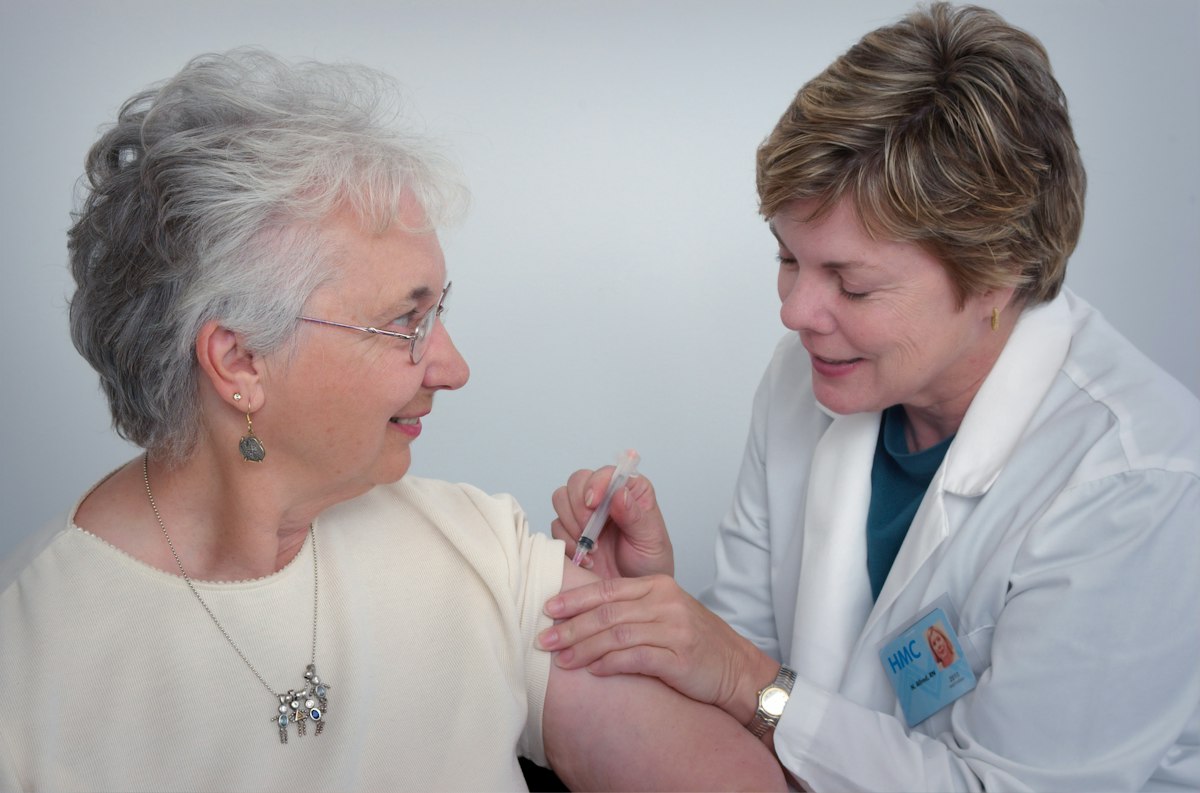
After Rebirth: From Dialysis Patient to Health Educator — Choosing to Return to the Ward
Shock at birth led to chronic glomerulonephritis; dialysis began at 26; a kidney transplant came on Christmas Day at 32. After the transplant I walked into a hospital with gratitude and became a health educator for diabetes and kidney patients — because I know fear comes from not understanding.
Indice
My Timeline
- 1988 (age 0): born. A difficult delivery caused shock and oxygen deprivation, damaging both kidneys — chronic glomerulonephritis and chronic kidney failure from the start
- 2014 (age 26): hemodialysis began
- 2020/12/25 (age 32): kidney transplant
It has been a long road. I knew my kidneys were weak from childhood; as a teenager I didn't take my medication; at 26 I was told at work that I needed emergency dialysis, and a glass of high-potassium orange juice sent me to hospital with pulmonary edema that same night. Then six years of hemodialysis — cramps, low blood pressure, thirst, itching, hyperparathyroidism. Everything kidney patients go through, I went through.
Then, on Christmas Day 2020, the phone rang.
If Heaven Gave Me a Second Life, There Must Be a Reason
Lying in the hospital bed after the transplant, I had only one thought: gratitude. For the donor and their family, for the medical team who had cared for me all along, and for Heaven for giving me a second chance.
I began to think: this rebirth should not be for me alone.
So I joined a private hospital as a health manager in integrative medicine, responsible for caring for patients with diabetes and kidney disease. My job is education — teaching patients how to manage their diet, adjust their lifestyle, and read their own lab reports.
What I Say Most Often on the Ward
Don't be discouraged. The road ahead is long, and it can be meaningful. Illness is not the end.
This isn't a slogan. I tell them my own story: I was on dialysis too; I cramped, I fainted, I was afraid. Now I stand here with a kidney someone gave me, living a life just like yours — working, exercising, laughing.
Why Is Everyone So Afraid of Dialysis?
Six years on dialysis plus these years of patient education taught me one thing: the fear of dialysis — hemodialysis or peritoneal — almost always comes from not understanding.
- Not knowing what dialysis actually does
- Not knowing whether you can still work, travel or exercise afterward
- Not knowing how the road ahead unfolds
- Only hearing relatives say "dialysis is agony" or "dialysis means waiting to die"
When I explain the process clearly, lay out the options, and put my own example in front of them, I see their eyes change. The fear doesn't vanish entirely, but it becomes something that can be faced.
Why This Site Exists
Beyond CKD is an extension of what I do on the ward. I want to gather accurate medical knowledge, real patient experience, and practical approaches to diet, exercise and emotional wellbeing — in language patients understand — so that more people still living in fear will know:
This road can be walked, and walked meaningfully. Face it bravely. I'm with you.
The content of this article is personal reflection and experience sharing only, and is not medical advice. For any questions about your health, illness or physical care, please seek help through professional medical channels and consult your physician.
Where to go next
Related knowledge
查核:「透析做得越多、越長一定越好,人人都該改成每天透析」有多少證據?
結論:不成立。大型臨床試驗顯示,每週增加血液透析次數「有部份好處也有風險」,並非越多越好,也不是人人適合每天透析;現行指引仍以每週三次、足量透析為標準。
How Dialysis Patients Should Train: A 12-Week Program for Hemodialysis and Peritoneal Dialysis — Intradialytic Exercise, Fistula Protection, Abdominal Pressure, Potassium and Fluids
Dialysis patients need training the most and are told to "take it easy" the most. Based on Cochrane 2022, KDOQI and renal rehabilitation guidelines, this article gives separate 12-week…
血液透析第一個月:沒有人告訴我的 12 件事
剛開始洗腎的那個月,我手足無措。這是我希望當時有人告訴我的事:從乾體重、抽筋、到該帶什麼去洗腎室,外加一些根據國際指引整理的補充說明,幫你比較快進入自己的節奏。