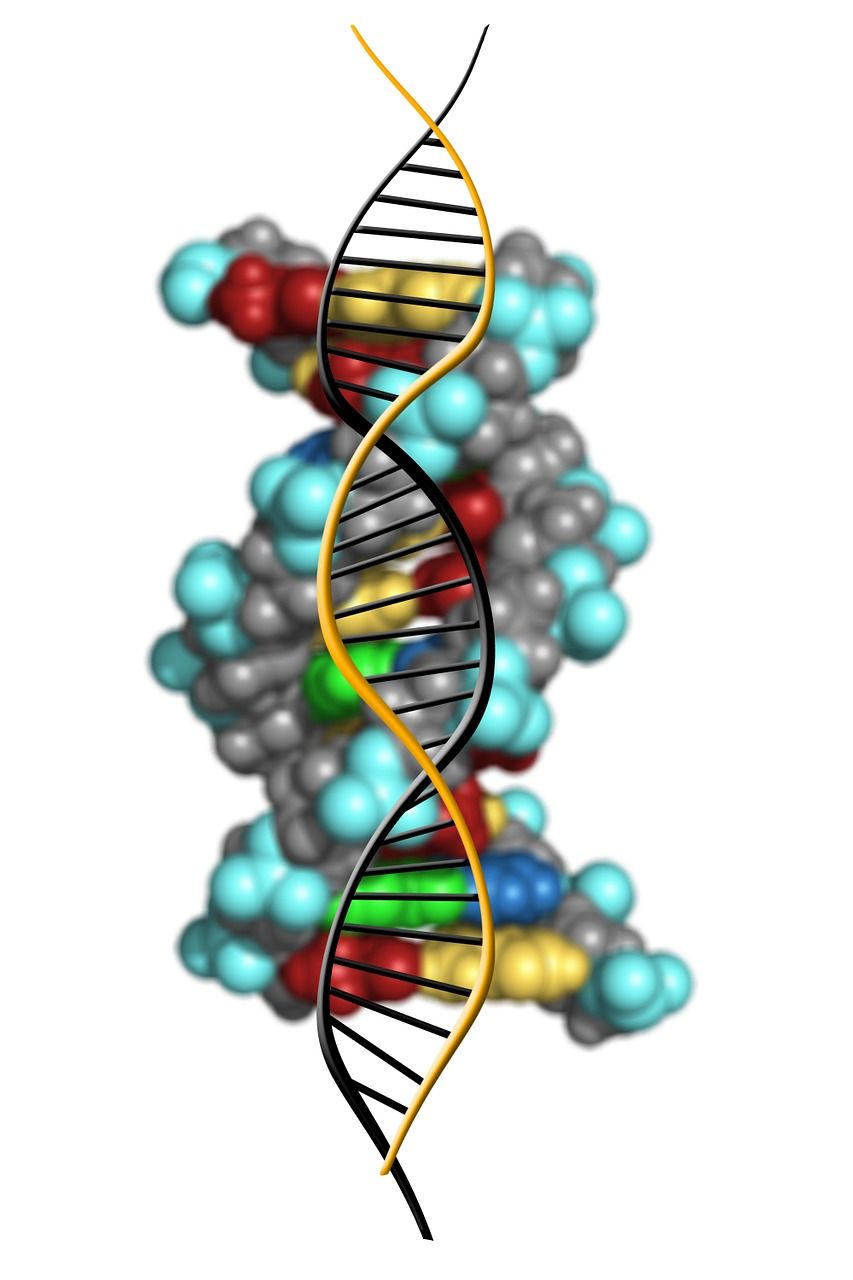
Polycystic Kidney Disease (ADPKD): Inheritance, Predicting How Fast It Progresses, the Science Behind Tolvaptan and 3 Litres of Water a Day, Family Screening, and Whether to Remove the Kidneys Before Transplant
ADPKD is the most common inherited kidney disease — about 1 in 1,000 people carry the gene and it accounts for 5–10% of the world's dialysis population. PKD1 vs PKD2, how the Mayo imaging class predicts the age of kidney failure, tolvaptan (the only approved disease-slowing drug), the evidence for water and salt, brain aneurysm screening, whether children should be tested, and how huge kidneys are handled on dialysis and at transplant.
Who this is for: people newly diagnosed with ADPKD, relatives wondering whether to be tested, and people with ADPKD who are on dialysis or preparing for transplant. Based on the first-ever KDIGO ADPKD guideline (February 2025), ERA working-group papers and Mayo Clinic data. It does not replace your own doctor's advice.
1. What is ADPKD?
Autosomal dominant polycystic kidney disease is caused by mutations in PKD1 (78%) or PKD2 (15%). Tubular cells proliferate abnormally and secrete fluid, forming countless cysts that enlarge year after year, compressing and replacing normal tissue. Kidneys can reach 5–10 times normal size (over 1 kg each), and function declines from mid-life onwards.
- Prevalence about 1 in 1,000–2,500, roughly 12 million people worldwide — the commonest inherited kidney disease.
- Accounts for 5–10% of the dialysis population (about 3–4% in Taiwan, 7–10% in Europe and North America).
- About half of PKD1 patients reach kidney failure before 55–60, PKD2 patients before 70–75.
- Each child has a 50% chance of inheriting it (dominant, both sexes equally); 10–15% are new mutations with no family history.
2. Symptoms and complications
| Problem | Frequency | Notes |
|---|---|---|
| Hypertension | 60% while kidney function is still normal; nearly all by late CKD | Often the first sign (around age 30) and the most important modifiable driver |
| Flank/abdominal pain, fullness | 60% | Cyst expansion, bleeding, infection, stones |
| Blood in urine | 35–50% | Cyst rupture; usually stops within days — rest and drink plenty |
| Urinary tract / cyst infection | 30–50% at least once | Cyst infection needs antibiotics that penetrate cysts (fluoroquinolones, TMP-SMX) for 4–6 weeks |
| Kidney stones | 20–25% | Uric acid and calcium oxalate; fluids and citrate |
| Liver cysts | >80% after 40 | More and larger in women; liver function usually normal but may cause bloating |
| Intracranial aneurysm | ~9–12% (2–3% in general population) | >20% with a family history of aneurysm or subarachnoid haemorrhage |
| Heart valve prolapse | 25% | Mostly mitral; rarely needs treatment |
| Hernias, diverticula | Common | Relevant when planning peritoneal dialysis |
3. Diagnosis — and should children be tested?
Imaging (with a family history) — Pei criteria (2009)
| Age | Ultrasound cysts | Meaning |
|---|---|---|
| 15–39 | ≥3 total (one or both kidneys) | Diagnostic |
| 40–59 | ≥2 per kidney | Diagnostic |
| ≥60 | ≥4 per kidney | Diagnostic |
| ≥40 | <2 per kidney | Excludes ADPKD |
MRI is more sensitive: at 15–40 with a family history, ≥10 cysts is diagnostic and <5 excludes it.
When genetic testing helps
- No family history, atypical imaging, young people wanting to be living kidney donors, and reproductive planning (pre-implantation testing).
- Genotype predicts prognosis: truncating PKD1 mutations are most severe (median kidney failure at 55), non-truncating PKD1 intermediate (67), PKD2 mildest (79).
Should children be screened? — KDIGO 2025
- Adult children (≥18): inform them of the risk and offer counselling; the decision is theirs. Early diagnosis allows early blood-pressure control and tolvaptan assessment.
- Minors: routine imaging or genetic screening is not recommended unless symptomatic or hypertensive — a diagnosis can affect insurance, employment and wellbeing, and there is little to intervene with in childhood. Annual blood-pressure checks are advised.
- Note that in some countries a diagnosis affects private health or life insurance; worth understanding before testing.
4. Predicting progression — the Mayo imaging classification
Progression varies enormously; total kidney volume (TKV) is the best predictor. Kidney volume from MRI or CT, adjusted for height (htTKV) and plotted against age, gives classes 1A–1E:
| Mayo class | htTKV growth/yr | Predicted eGFR loss/yr | Typical age at kidney failure | Tolvaptan? |
|---|---|---|---|---|
| 1A | <1.5% | ~0.5 mL/min | Most never need dialysis | No |
| 1B | 1.5–3% | ~1.5 | After 70 | Usually no; monitor |
| 1C | 3–4.5% | ~2.5–3 | About 60 | Yes |
| 1D | 4.5–6% | ~3.5–4 | About 50 | Yes |
| 1E | >6% | ~4.5–5 | About 40 | Yes |
Free calculator: https://www.mayo.edu/research/documents/pkd-center-adpkd-classification/doc-20094754
The PROPKD score (sex, hypertension before 35, urological events before 35, genotype) adds further information.
5. Treatment: tolvaptan, the only drug shown to slow ADPKD
How it works
Excess cAMP inside cyst cells drives cyst growth, and vasopressin (antidiuretic hormone) stimulates cAMP. Tolvaptan blocks the vasopressin V2 receptor, lowering cAMP and reducing fluid secretion and cell proliferation.
Evidence
- TEMPO 3:4 (NEJM 2012): TKV growth halved over 3 years (2.8% vs 5.5%/yr); eGFR decline slowed by ~1 mL/min/yr.
- REPRISE (NEJM 2017): in CKD stages 3–4, eGFR decline slowed by 1.27 mL/min over 1 year.
- Long-term extension data suggest kidney failure can be postponed by roughly 5–7 years, depending on when treatment starts and individual speed.
Who qualifies (KDIGO 2025)
- Age 18–55, eGFR ≥25, Mayo 1C–1E, or other evidence of rapid progression (eGFR falling ≥3 mL/min/yr, or Mayo 1B with a high PROPKD score).
- Approved in Japan since 2014 and reimbursed in Taiwan since 2019 under rapid-progression criteria.
Side effects and practical points
- Polyuria, thirst, nocturia (urine output 5–7 L/day) in almost everyone — this is the drug working. Take the split dose in the morning and ~8 hours later; never restrict fluids.
- Liver toxicity: raised liver enzymes in ~4–5%, rarely severe. Monthly liver tests for the first 18 months, then every 3 months; stop if enzymes exceed 3× the upper limit.
- Avoid strong CYP3A4 inhibitors (ketoconazole, clarithromycin, grapefruit).
- Contraindicated in pregnancy.
Other drugs under study
- Lixivaptan; venglustat (failed); metformin (TAME trial, neutral); octreotide-LAR (helps liver cysts, little kidney benefit); tesevatinib; bardoxolone (failed). No other approved disease-modifying drug exists.
6. Lifestyle with evidence behind it
1. Water — aim for urine osmolality <280 mOsm/kg
- Same logic as tolvaptan: enough water suppresses your own vasopressin.
- DRINK feasibility trial (2020): about 3 L/day achieved the osmolality target. PREVENT-ADPKD (2022–23): no significant difference in TKV growth at 3 years overall, with a trend in adherent participants.
- KDIGO 2025: unless contraindicated (heart failure, very low eGFR), drink 2.5–3 L or more spread evenly through the day so urine stays pale yellow. Do not drink to the point of low sodium.
- On tolvaptan, drink to thirst — usually 5 L or more.
2. Salt — sodium <2 g/day (salt <5 g)
- HALT-PKD post-hoc analysis: higher sodium intake, faster TKV growth and eGFR decline.
- Less salt also lowers vasopressin and makes blood pressure easier to control.
3. Blood pressure — target <110/75 if young, eGFR >60 and tolerated
- HALT-PKD Study A (NEJM 2014): strict control (95–110/60–75) versus standard (120–130/70–80) slowed TKV growth by 14%, reduced left-ventricular mass and albuminuria.
- ACE inhibitor or ARB first.
4. Caffeine, protein, ketosis
- Caffeine raises cAMP in theory, but human studies show no harm; 1–2 cups a day is fine.
- Protein 0.8 g/kg/day is enough; very-low-protein diets are not needed.
- Ketogenic diets / intermittent fasting slow cysts in animals; small human trials (RESET-PKD, KETO-ADPKD 2023) were feasible and safe short-term with a TKV signal, but kidney-function benefit is unproven — do not undertake long-term without supervision.
5. Avoid
- Smoking, obesity (BMI >30 doubles TKV growth), NSAID painkillers, oestrogen-containing drugs (enlarge liver cysts), and high-impact contact sports once kidneys are large (cysts rupture and bleed).
7. Should you be screened for brain aneurysms?
- Prevalence in ADPKD is 9–12%; rupture causes subarachnoid haemorrhage with high mortality.
- KDIGO 2025 recommends MR angiography (no contrast needed) for those with a family history of aneurysm or subarachnoid haemorrhage, previous rupture, high-risk occupations (pilots, bus drivers), before major surgery or transplant, and anyone who wants to know.
- Without a family history, a single baseline screen can be discussed; if negative, repeat every 5–10 years; if positive, neurosurgery decides based on size and location.
8. On dialysis
- Survival on dialysis is better than for other causes at the same age — fewer cardiovascular complications and better nutrition.
- Haemodialysis: large kidneys do not interfere; watch heparin dosing during cyst bleeds.
- Peritoneal dialysis: once thought impossible because the kidneys fill the abdomen, but recent studies show most patients succeed; hernia and leak risk is slightly higher — repair hernias beforehand.
- Cysts can still become infected or bleed after starting dialysis; kidneys do not shrink unless removed.
9. Transplant: do the native kidneys have to come out?
- Graft survival in ADPKD is equal to or better than other causes.
- Native nephrectomy is not routine. It is considered for recurrent severe cyst infections, recurrent heavy bleeding, suspected cancer, kidneys so large there is no room for the graft in the pelvis, or severe compression symptoms (cannot eat, breathless).
- Timing: before transplant (requires a period on dialysis), at the same time (bigger operation, more blood loss; used by some centres), or after (safest, but wait 6+ months). Practice varies between centres.
- Cysts do not grow in the new kidney (it does not carry the mutation); native cysts persist but usually shrink gradually.
- mTOR inhibitors (sirolimus, everolimus) were hoped to shrink cysts but trials were negative; liver cysts may keep growing after transplant.
10. For families
- ADPKD is a family disease. Living donors who are first-degree relatives must be cleared by imaging (plus genetic testing if under 40).
- Reproduction: pre-implantation genetic testing (PGT-M) is available in Taiwan and Japan.
- Emotional load: knowing you have a 50% chance, or watching a parent on dialysis, brings anxiety and guilt. Patient organisations (PKD Foundation, national PKD associations) and counselling help.
Sources
- KDIGO. 2025 Clinical Practice Guideline for the Evaluation, Management, and Treatment of ADPKD. Kidney Int 2025;107(2S):S1–S239. https://kdigo.org/guidelines/adpkd/
- Torres VE, et al. TEMPO 3:4. N Engl J Med 2012;367:2407–2418.
- Torres VE, et al. REPRISE. N Engl J Med 2017;377:1930–1942.
- Schrier RW, et al. HALT-PKD Study A. N Engl J Med 2014;371:2255–2266.
- Irazabal MV, et al. Imaging Classification of ADPKD. J Am Soc Nephrol 2015;26:160–172.
- Pei Y, et al. Unified Criteria for Ultrasonographic Diagnosis of ADPKD. J Am Soc Nephrol 2009;20:205–212.
- Rangan GK, et al. PREVENT-ADPKD. NEJM Evid 2022;1(12).
- Cornec-Le Gall E, et al. The PROPKD Score. J Am Soc Nephrol 2016;27:942–951.
- PKD Foundation. https://pkdcure.org/
Articles liés

Lupus and the Kidney: The Six Classes of Lupus Nephritis, the 2024 Treatment Shift (belimumab, voclosporin, obinutuzumab), and When Dialysis or Transplant Comes In
About 40–60% of people with systemic lupus erythematosus develop lupus nephritis, a leading cause of kidney failure in young women. Why a biopsy is essential, what the six classes mean, the move to low-dose steroids and triple therapy, and what is different for lupus patients on dialysis or waiting for a transplant.
Diabetes and Kidney Disease: Why It Is the No. 1 Cause of Dialysis, How to Screen, and Which New Drugs Protect the Kidneys (2026 Guide)
Nearly half of new dialysis patients in Taiwan start because of diabetes. A plain-language guide to how high glucose damages the kidney, the two tests to do every year, glucose and blood-pressure targets, the three kidney-protective drug classes (SGLT2 inhibitors, GLP-1 RAs, finerenone), and what changes once you are on dialysis or transplanted.

Personal Notes on Medications and Supplements for Kidney Patients: Kremezin, Probiotics, Magnesium, Fish Oil, Creatine and What to Avoid Before a Blood Test
These are my own observations from years of use — not medical advice. Covers Kremezin (AST-120), renal probiotics, magnesium supplements, how to choose fish oil (EPA > DHA), how gym creatine affects creatinine readings, and what not to do the day before your labs.