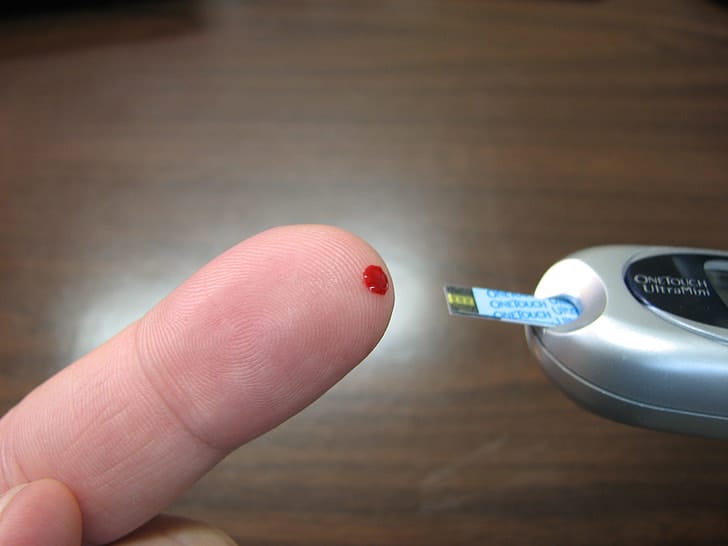
Diabetes and Kidney Disease: Why It Is the No. 1 Cause of Dialysis, How to Screen, and Which New Drugs Protect the Kidneys (2026 Guide)
Nearly half of new dialysis patients in Taiwan start because of diabetes. A plain-language guide to how high glucose damages the kidney, the two tests to do every year, glucose and blood-pressure targets, the three kidney-protective drug classes (SGLT2 inhibitors, GLP-1 RAs, finerenone), and what changes once you are on dialysis or transplanted.
Who this is for: people with diabetes who do not yet have kidney disease, people already diagnosed with diabetic kidney disease (DKD), and people with diabetes who are on dialysis or transplanted. Based on the KDIGO 2022 Diabetes-in-CKD guideline, ADA Standards of Care 2025 and national registries. It does not replace your own doctor's advice.
1. What the numbers say
- In Taiwan, 46.1% of patients who started dialysis in 2022 did so because of diabetes — the leading cause for many years running (Taiwan Renal Registry 2024).
- In Japan diabetic nephropathy accounted for 38.3% of new dialysis starts in 2023 (JSDT).
- In the United States about 47% of incident end-stage kidney disease is attributed to diabetes (USRDS 2024).
- Roughly 30–40% of people with diabetes develop kidney disease during their lifetime — but with early detection and today's drugs, most never need dialysis.
2. How high glucose injures the kidney
Each kidney has about a million filtering units (glomeruli). Years of high glucose:
- Overwork the filters — early on the kidney actually over-filters, and the pressurised capillaries slowly scar.
- Make the filter leak protein — albumin appears in the urine ("albuminuria"), the earliest warning sign, usually years before eGFR falls.
- Combine with hypertension, dyslipidaemia and obesity to accelerate scarring (glomerulosclerosis and interstitial fibrosis).
Early DKD has no symptoms at all; only tests can find it.
3. Two tests every year
| Test | What it shows | How often | Reading |
|---|---|---|---|
| Urine albumin-to-creatinine ratio (UACR) | Protein leak | At least yearly (every 3–6 months if abnormal) | <30 mg/g normal; 30–300 moderately increased; >300 severely increased |
| Serum creatinine → eGFR | Filtering function | At least yearly | ≥90 normal; 60–89 mildly reduced; <60 for 3 months = CKD |
- Type 2 diabetes: test at diagnosis (the disease has often been present for years).
- Type 1 diabetes: start 5 years after onset.
- UACR is affected by exercise, fever, menstruation and urinary infection — confirm an abnormal result with 2 repeats within 3–6 months.
4. Treatment targets
Glucose
- HbA1c is individualised; KDIGO suggests a range of 6.5–8.0% — closer to 6.5–7.0% for younger people without hypoglycaemia risk, 7.5–8.0% for older people with comorbidities or a history of severe hypoglycaemia.
- The worse the kidney function, the higher the hypoglycaemia risk: insulin and many oral agents are cleared by the kidney, so their effect "grows" as eGFR falls and doses must be reduced.
Blood pressure
- ADA target <130/80 mmHg; KDIGO 2021 suggests systolic <120 mmHg if tolerated (standardised measurement).
- With albuminuria, first choice is an ACE inhibitor or ARB (ramipril, losartan, valsartan…) at the highest tolerated dose; never both together. Check potassium and creatinine 2–4 weeks after starting or increasing; a creatinine rise <30% is acceptable.
Lipids and weight
- Most people with diabetes and CKD should take a statin; on dialysis, continue if already taking it, but starting new is not recommended (limited evidence).
- Losing 5–10% of body weight improves albuminuria; GLP-1 drugs help here too.
5. The three kidney-protective drug classes — the biggest advance in a decade
| Class | Examples | Evidence | Who | Cautions |
|---|---|---|---|---|
| SGLT2 inhibitors | empagliflozin, dapagliflozin, canagliflozin | DAPA-CKD, EMPA-KIDNEY, CREDENCE: ~30–40% fewer kidney-progression events and heart-failure admissions | Type 2 diabetes with CKD, start at eGFR ≥20; continue even below 20 until dialysis | Genital yeast infections, dehydration, rare euglycaemic ketoacidosis; pause when unwell or before surgery (sick-day rule) |
| GLP-1 receptor agonists | semaglutide (weekly), dulaglutide, liraglutide | FLOW trial (NEJM 2024): semaglutide cut major kidney events by 24% and cardiovascular death by 29% | Type 2 diabetes with CKD, especially with obesity or high CV risk; usable at any eGFR including dialysis | Nausea, vomiting, GI upset; titrate slowly; avoid with past pancreatitis or family history of medullary thyroid cancer |
| Non-steroidal MRA | finerenone | FIDELIO-DKD, FIGARO-DKD: ~18–23% fewer kidney and CV events | Type 2 diabetes CKD with persistent albuminuria (UACR ≥30) despite ACEi/ARB, potassium ≤4.8, eGFR ≥25 | Hyperkalaemia; check potassium at 4 weeks and regularly thereafter |
The "four pillars": KDIGO 2022 recommends eligible people with type 2 diabetes and CKD receive ACEi/ARB + SGLT2 inhibitor + statin + metabolic control (metformin/GLP-1), adding finerenone if albuminuria persists. Modelling suggests combining these therapies can postpone dialysis by years to more than a decade.
About metformin
- eGFR ≥45: full dose; 30–44: halve (≤1,000 mg/day) with closer monitoring; <30: stop.
- Pause for contrast studies and acute illness. Check vitamin B12 with long-term use.
6. Diabetes still matters on dialysis
- HbA1c becomes unreliable: anaemia, ESA therapy and transfusions push it falsely low. Many units now use continuous glucose monitoring (CGM) or multi-point self-monitoring instead.
- Insulin requirements often fall because the kidney no longer clears insulin; hypoglycaemia becomes more common, especially on dialysis days. Dizzy or sweaty after a session? Check glucose first.
- Peritoneal dialysis fluid contains glucose (1.5%, 2.5%, 4.25%) that is absorbed; glucose, weight and triglycerides rise — ask about icodextrin solutions.
- Feet, eyes (annual retinal exam) and cardiovascular risk still need follow-up after starting dialysis.
7. Transplant and diabetes
- Post-transplant diabetes mellitus (PTDM) affects about 10–30% of kidney recipients, driven by tacrolimus, steroids, weight gain and hepatitis C. Glucose is checked intensively in the first 3 months, then yearly with an OGTT or HbA1c.
- People with pre-existing diabetes usually need more insulin after transplant (steroids, tacrolimus), while the new kidney clears insulin faster — doses need repeated adjustment.
- Type 1 diabetes with ESKD: consider simultaneous pancreas–kidney (SPK) transplant; selected type 2 patients may also qualify.
- Evidence for SGLT2 inhibitors and GLP-1 RAs after transplant is still accumulating; some centres use them cautiously. Always discuss with the transplant team — never add them yourself.
8. What you can do
- Write down your UACR and eGFR and watch the trend each year, not just "normal/abnormal".
- Ask your doctor: "Do I qualify for an SGLT2 inhibitor or a GLP-1 RA?"
- Stop smoking — it doubles the rate at which albuminuria worsens.
- Salt <5 g/day (sodium <2 g); protein 0.8 g/kg/day before dialysis (1.0–1.2 g/kg/day on dialysis — the opposite direction).
- 150 minutes of moderate exercise per week; stand up and walk at least once an hour.
- Hypoglycaemia: take 15 g of glucose (tablets, sugar cubes) — not orange juice (high potassium) — and re-test after 15 minutes.
- When ill, not eating or having diarrhoea: pause SGLT2 inhibitors, metformin, diuretics and ACEi/ARB until eating normally again (sick-day rule) and seek care promptly.
Sources
- KDIGO. 2022 Clinical Practice Guideline for Diabetes Management in Chronic Kidney Disease. Kidney Int 2022;102(5S):S1–S127. https://kdigo.org/guidelines/diabetes-ckd/
- American Diabetes Association. Standards of Care in Diabetes—2025, Section 11. Diabetes Care 2025;48(Suppl 1).
- Perkovic V, et al. FLOW trial. N Engl J Med 2024;391:109–121.
- EMPA-KIDNEY Collaborative Group. N Engl J Med 2023;388:117–127.
- Heerspink HJL, et al. DAPA-CKD. N Engl J Med 2020;383:1436–1446.
- Bakris GL, et al. FIDELIO-DKD. N Engl J Med 2020;383:2219–2229.
- Taiwan Society of Nephrology / NHRI. 2024 Annual Report on Kidney Disease in Taiwan. https://www.tsn.org.tw/
- Japanese Society for Dialysis Therapy. Overview of Regular Dialysis Treatment in Japan (as of 31 Dec 2023). https://docs.jsdt.or.jp/overview/
- USRDS. 2024 Annual Data Report, Chapter 1. https://usrds-adr.niddk.nih.gov/2024
Articles liés
Polycystic Kidney Disease (ADPKD): Inheritance, Predicting How Fast It Progresses, the Science Behind Tolvaptan and 3 Litres of Water a Day, Family Screening, and Whether to Remove the Kidneys Before Transplant
ADPKD is the most common inherited kidney disease — about 1 in 1,000 people carry the gene and it accounts for 5–10% of the world's dialysis population. PKD1 vs PKD2, how the Mayo imaging class predicts the age of kidney failure, tolvaptan (the only approved disease-slowing drug), the evidence for water and salt, brain aneurysm screening, whether children should be tested, and how huge kidneys are handled on dialysis and at transplant.
Lupus and the Kidney: The Six Classes of Lupus Nephritis, the 2024 Treatment Shift (belimumab, voclosporin, obinutuzumab), and When Dialysis or Transplant Comes In
About 40–60% of people with systemic lupus erythematosus develop lupus nephritis, a leading cause of kidney failure in young women. Why a biopsy is essential, what the six classes mean, the move to low-dose steroids and triple therapy, and what is different for lupus patients on dialysis or waiting for a transplant.
Personal Notes on Medications and Supplements for Kidney Patients: Kremezin, Probiotics, Magnesium, Fish Oil, Creatine and What to Avoid Before a Blood Test
These are my own observations from years of use — not medical advice. Covers Kremezin (AST-120), renal probiotics, magnesium supplements, how to choose fish oil (EPA > DHA), how gym creatine affects creatinine readings, and what not to do the day before your labs.