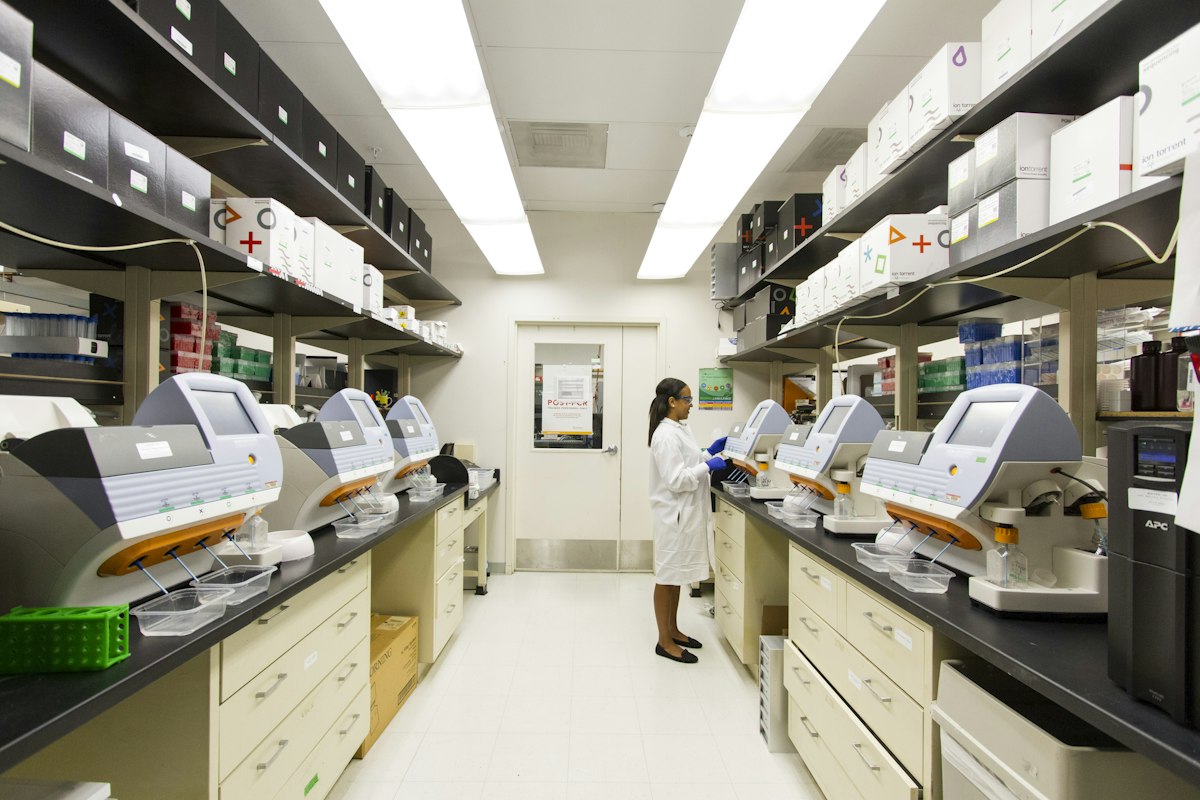
Hemodialysis vs. Peritoneal Dialysis: Principles, Procedures, Pros and Cons
Both types of dialysis effectively remove toxins and fluid, but the methods, lifestyles and risks differ sharply. This article compares them point by point — from the underlying science to daily life — to help you and your care team choose.
The Shared Principle
All dialysis relies on two physical mechanisms:
- Diffusion: solutes move from high to low concentration — urea, potassium, phosphate and other wastes pass from blood into dialysis fluid
- Ultrafiltration / convection: a pressure gradient "squeezes" excess water out
The difference is the membrane: hemodialysis uses an artificial membrane (the dialyzer); peritoneal dialysis uses your own peritoneum.
How Hemodialysis (HD) Works
The procedure
- Weigh in and check blood pressure
- Two needles are placed in the vascular access (or a catheter is connected): one draws blood out, one returns it
- Blood flows through the dialyzer at 200–400 mL/min, exchanging with dialysate flowing in the opposite direction across the membrane
- The machine removes a prescribed volume of fluid ("ultrafiltration goal") at the same time
- After 4 hours: needles out, pressure to stop bleeding, weigh out
Vascular access
| Type | Description | Pros | Cons |
|---|---|---|---|
| Arteriovenous fistula (AVF) | Surgical connection of forearm artery to vein; the vein enlarges and thickens | Lowest infection rate, longest lifespan, good flow | Needs 6–12 weeks to mature; may fail in poor vessels |
| Arteriovenous graft (AVG) | Synthetic tube connecting artery and vein | Usable in 2–4 weeks; option for poor vessels | Higher clotting and infection rates than AVF |
| Central venous catheter | Placed in a large neck or chest vein | Usable immediately | Highest risk of infection, clotting and central vein stenosis; should be temporary |
International guidelines agree: Fistula First, with surgery completed months before dialysis starts.
When the Fistula Fails: Bovine Pericardium for Access Reconstruction
With long use, fistulas commonly develop stenosis (from repeated cannulation and intimal hyperplasia), aneurysmal dilatation (same-site needling, tourniquets tied too tight) and thrombosis. Traditional fixes are balloon angioplasty, creating a brand-new fistula, or switching to a synthetic graft (PTFE). In recent years another option has emerged: using bovine pericardium to "patch" or "rebuild" the existing vessel.
What is bovine pericardium? It is the sac surrounding a cow's heart, decellularized and glutaraldehyde-cross-linked into a biologic patch (brands include XenoSure®). It has been used for years in cardiac and carotid surgery and over the past decade has been adopted in dialysis access surgery.
How is it used in access surgery?
| Technique | Description |
|---|---|
| Patch angioplasty | The narrowed segment is opened and a strip of bovine pericardium is sewn in to widen the lumen, preserving the original fistula instead of redoing it |
| Aneurysm repair (aneurysmorrhaphy) | The dilated, thinned wall is excised and the lumen re-formed with a pericardial patch, restoring a safely cannulatable diameter |
| Tubular graft | Pericardium rolled into a tube to replace a segment that must be removed (less common) |
Potential advantages over synthetic grafts
- Biologic material with better infection resistance — preferred over PTFE where infection is a concern
- Pliable, conforms well, less suture-line bleeding; can be trimmed to shape
- Some series report the patched segment can be cannulated within weeks, potentially shortening catheter dependence
- A 2018 report in the Journal of Vascular Access (Fisher et al.) found good long-term patency after bovine pericardial patch angioplasty for recurrent fistula stenosis; a 2025 case report described successful reconstruction of a thrombosed, aneurysmal forearm fistula with a pericardial patch
Limitations to know
- Current evidence is mostly single-center, retrospective or small; no large randomized trial yet shows superiority over other materials
- Biologic patches can still degenerate, calcify or re-stenose over time and need follow-up
- Usually self-paid and more expensive; suitability is a judgement for your vascular surgeon based on your vessels
What this means for patients: when a fistula has problems, "abandon and redo" is not the only path. Ask your surgeon whether patch reconstruction is an option to keep the mature vessel you already have. The best approach, of course, is still the daily care described above — so the fistula never gets to this point.
Dialysis dose
Measured by Kt/V or urea reduction ratio (URR). KDOQI recommends spKt/V ≥ 1.2 and URR ≥ 65% per session for thrice-weekly HD.
Current Hemodialysis Modalities
| Modality | Principle | Features |
|---|---|---|
| Conventional HD | Mainly diffusion | Efficient for small molecules (urea, potassium); limited middle-molecule (β2-microglobulin) clearance |
| High-flux HD | Diffusion with larger membrane pores | Removes some middle molecules; standard in most Taiwan centers |
| Hemodiafiltration (HDF) | Diffusion plus high-volume convection (≥ 20 L substitution fluid per session) | Best middle-molecule clearance, more stable blood pressure, less itching and amyloidosis; the CONVINCE trial (2023) showed high-volume HDF reduced all-cause mortality by about 23% |
| Hemofiltration (HF) | Pure convection | Mainly used as continuous renal replacement therapy (CRRT) in ICUs |
| Extended / nocturnal HD | 6–8 hours per session | Gentle fluid removal; better BP and phosphate control |
| Short daily HD | 5–6 sessions a week, 2–3 hours each | Minimal fluid swings; mostly home HD |
| Expanded HD (HDx) | Medium cut-off membrane | Clears larger middle molecules without substitution fluid; available in Taiwan |
HDF is covered by Taiwan's NHI under specific criteria; equipment varies by center — ask your nephrologist whether it suits you.
Fistula (AV Fistula) Self-Care
- Squeeze-ball exercises after surgery: several times a day (10–15 minutes each) to help the vein enlarge and mature for easier cannulation. After 2 weeks, once the wound has healed, a lightly applied tourniquet on the upper arm (never tight) can intensify the exercise — follow your care team's instructions.
- Check the thrill and bruit daily: feel with your fingers, listen with a stethoscope or your ear; if weakened or absent, contact the dialysis unit immediately.
- Rotate needle sites: use the "rope-ladder" technique, moving along the vessel each session. Repeated puncture of the same spot thins the wall and causes fistula aneurysms. Buttonhole technique should only be performed by specially trained staff.
- Post-dialysis hemostasis: apply finger pressure for 10–15 minutes, firm enough to stop bleeding but light enough that the thrill remains palpable. Prolonged or over-tight tourniquets block flow and raise the risk of thrombosis and aneurysm.
- The fistula arm: no blood pressure cuffs, blood draws or IV lines; no tight watches or sleeves; no heavy lifting; don't sleep on it.
- Keep it clean: wash the arm with soap before dialysis; keep puncture sites dry that day.
Interdialytic Fluid Control
- International guidelines recommend interdialytic weight gain (IDWG) of no more than 4–4.5% of dry weight; DOPPS data show hospitalization risk rises at IDWG ≥ 4% and mortality rises clearly at ≥ 5.7%. For a 60 kg dry weight, aim for < 2.4–2.7 kg.
- The session after the long weekend interval is when overload is most common — be especially careful. Studies show cardiovascular events and deaths are higher on the day after the long gap.
- If slightly over, depending on your personal fitness and condition, exercise or sports that produce heavy sweating can shed some fluid. But note: sweat removes little potassium, blood pressure and cardiac strain must still be assessed afterward, and this must not replace fluid and salt restriction. Those with heart disease, low-BP tendency or poor stamina should consult their doctor first.
- The root fix for thirst is less salt.
How Peritoneal Dialysis (PD) Works
The procedure (CAPD example)
- Wash hands, put on a mask, work in a clean area
- Drain the old fluid from the abdomen through the catheter (~20 minutes)
- Fill with 1.5–2.5 liters of fresh fluid (~10 minutes)
- Let it "dwell" for 4–6 hours while you go about your day
- Repeat 3–5 times daily; a longer dwell overnight
Automated PD (APD): connect to a cycler at bedtime; the machine performs multiple exchanges over 8–10 hours while you sleep. During the day you may carry one dwell or stay "dry."
Dialysis fluid
The main osmotic agent is glucose (1.5%, 2.5% or 4.25%), which draws water out by osmosis. Higher concentrations remove more fluid but deliver more sugar. Alternative formulas use icodextrin or amino acids for specific situations.
Peritoneal equilibration test (PET)
Determines whether your peritoneum is a "high" or "low" transporter, guiding the best exchange schedule and dwell times.
Current Peritoneal Dialysis Modalities
| Modality | How it works | Best for |
|---|---|---|
| CAPD | 3–4 manual daytime exchanges plus a long overnight dwell | Regular routines; able to self-perform |
| APD / CCPD | Cycler performs exchanges 8–10 hours overnight; day dwell optional | Work, school, daytime freedom |
| NIPD | Cycler at night only; abdomen empty by day | Residual function present; poor tolerance of abdominal pressure |
| Tidal PD | Cycler drains only part of the volume each cycle | Drain pain or poor drainage |
| Remote-monitored APD | Cycler data uploaded to the hospital via the cloud | Available at many Taiwan hospitals; allows real-time prescription adjustment |
| Incremental PD | Lower initial dose scaled to residual function, increased over time | New starters who still make urine (ISPD 2020) |
Icodextrin solution: used for the long dwell; stable ultrafiltration without glucose, reducing sugar absorption and ultrafiltration failure.
Assisted PD: performed by family members or home nurses, enabling older or less mobile patients to choose home dialysis.
Side-by-Side Comparison
| Aspect | Hemodialysis | Peritoneal Dialysis |
|---|---|---|
| Location | Mainly dialysis center | Home, work, travel |
| Time | 3 × 4 h per week plus travel | 3–5 exchanges daily (~30 min each) or overnight cycler |
| Performed by | Healthcare staff | Patient or family |
| Clearance pattern | Intermittent; toxins and fluid build up between sessions | Continuous; steadier |
| Diet restrictions | Stricter (potassium, phosphorus, fluid) | More relaxed (but higher protein needs) |
| Residual kidney function | Declines faster | Better preserved |
| Hemodynamics | Rapid fluid removal; hypotension and cramps common | Gentle; easier on the heart |
| Vascular access | Fistula/graft/catheter required | Not needed; veins preserved |
| Main infection risk | Catheter-related bloodstream infection | Peritonitis, exit-site infection |
| Body image | Fistula on the arm | Catheter on the abdomen |
| Autonomy | Low (fixed schedule) | High |
| Clinical contact | 3 times a week | Clinic visit every 1–2 months |
| Long-term limitation | Exhaustion of access sites | Peritoneal membrane failure (usually after years) → switch to HD |
| Effect on diabetes | No added sugar | Glucose absorbed from fluid; blood sugar and weight may rise |
| Anticoagulation | Heparin during sessions | Not required |
Advantages and Disadvantages
Hemodialysis
Advantages
- Performed by professionals; no self-operation needed
- High efficiency — removes large amounts of toxin and fluid quickly
- Frequent contact with staff catches problems early
- No home storage space or self-care skills required
Disadvantages
- Tied to schedule and location; affects work and travel
- Intermittent clearance creates a "roller coaster": post-dialysis fatigue, fluid and potassium buildup between sessions
- Access requires surgery and may repeatedly clot or need revision
- Pain and psychological burden of needling
- Intradialytic hypotension and cramps are common
- Faster loss of residual kidney function
Peritoneal Dialysis
Advantages
- Flexible timing and location; compatible with work, school and travel
- Continuous therapy keeps blood pressure and fluid status stable — gentler on the heart
- Better preservation of residual function and urine output
- Looser diet and fluid restrictions
- No needles; arm veins preserved for future use
- Home-based, reducing cross-infection and commuting
Disadvantages
- Daily operation demands discipline and sterile technique
- Peritonitis risk (roughly one episode per 2–3 patient-years on average; good technique greatly reduces it)
- Abdominal catheter affects body image and some activities (swimming needs special precautions)
- Glucose in the fluid adds calories, weight, and raises lipids and blood sugar
- Protein is lost into the fluid, so protein intake must be higher
- Abdominal volume effects: bloating, hernia, back strain
- Membrane function declines over time; most patients eventually switch to HD
- Requires space to store large quantities of supplies
Is There a Survival Difference?
Large observational studies show overall long-term survival is similar. PD may hold a slight advantage in the first 1–2 years (especially in younger, non-diabetic patients with residual function), after which outcomes converge. What truly determines survival is dialysis adequacy, nutrition, blood pressure and fluid control, and consistent follow-up — not which modality you chose.
When Is PD Not Recommended?
- Extensive abdominal adhesions, multiple prior surgeries, or an ostomy
- Large unrepaired hernia
- Severe COPD (abdominal pressure impairs breathing)
- Inability to self-manage with no caregiver support
- Home environment that cannot be kept clean
When Is HD More Difficult?
- Vessels too poor to create a fistula or graft
- Severe heart failure unable to tolerate rapid fluid removal
- Serious bleeding disorders or inability to use anticoagulants
- Frequent travel or residence far from a dialysis center
Key Takeaways
- Both modalities work, with similar long-term survival
- HD: professionally run and efficient, but schedule-bound with larger swings
- PD: flexible and kidney-sparing, but demands self-discipline, carries peritonitis risk, and the membrane wears out
- The choice depends on medical factors, lifestyle and personal values — and can be changed
- Whichever you choose, early access preparation and consistent follow-up are what drive survival
References
- NIDDK. Hemodialysis; Peritoneal Dialysis. US National Institutes of Health.
- Fisher O, et al. Long-term outcomes of bovine pericardial patch angioplasty for recurrent arteriovenous fistula stenosis. J Vasc Access. 2018 (PMID 29642730).
- Ujlaki-Nagi AA, et al. Reconstruction of a thrombosed aneurysmal radiocephalic arteriovenous fistula using a bovine pericardial patch. MDPI. 2025.
- Rezaee S, et al. Carotid patch angioplasty materials (incl. bovine pericardium). Cochrane Database Syst Rev. 2021.
- National Kidney Foundation. KDOQI Clinical Practice Guideline for Hemodialysis Adequacy: 2015 Update. Am J Kidney Dis. 2015.
- National Kidney Foundation. KDOQI Clinical Practice Guideline for Vascular Access: 2019 Update. Am J Kidney Dis. 2020.
- International Society for Peritoneal Dialysis (ISPD). Prescribing high-quality goal-directed peritoneal dialysis. 2020.
- Mehrotra R, et al. Similar outcomes with hemodialysis and peritoneal dialysis in patients with end-stage renal disease. Arch Intern Med. 2011.
- Blankestijn PJ, et al. Effect of Hemodiafiltration or Hemodialysis on Mortality in Kidney Failure (CONVINCE). N Engl J Med. 2023.
- Wong MMY, et al. Interdialytic Weight Gain: Trends, Predictors, and Associated Outcomes in the DOPPS. Am J Kidney Dis. 2017.
- Taiwan Society of Nephrology. Clinical guidelines on hemodialysis and peritoneal dialysis.
This article summarizes publicly available medical information for educational purposes only and is not medical advice. For any questions about your health, illness or physical care, please seek help through professional medical channels and consult your physician.
Articles liés
Which Phosphate Binders Are Available? A Comparison of Options in Taiwan, and When Parathyroid Surgery Is Advised
High phosphate is a silent killer for dialysis patients, driving vascular calcification and bone disease over time. This article compares the phosphate binders available in Taiwan (calcium salts, Phoslo, Fosrenol, Renvela, Nephoxil and others) and explains how high parathyroid hormone is managed — including when surgery is recommended.

Asia Travel Dialysis Map: Clinics and Hospitals Accepting Overseas Hemodialysis Patients (East, Southeast, South Asia and Middle East — verified Oct 2026)
Fifteen countries/regions — Japan, Korea, Taiwan, Hong Kong, China, Singapore, Malaysia, Thailand, Vietnam, the Philippines, Indonesia, India, Sri Lanka, UAE and Turkey — with addresses, fee ranges, booking difficulty and links, plus Asia-specific notes on HIV reports, hepatitis B and drinking water.

What Are the Complications of Dialysis? Short- and Long-Term Problems and Their Treatment
Dialysis sustains life, but it also brings a series of problems that need long-term management — from low blood pressure and cramps during treatment to cardiovascular disease, bone disorders, anemia and infection over the years. Understanding them is the first step to preventing them with your care team.