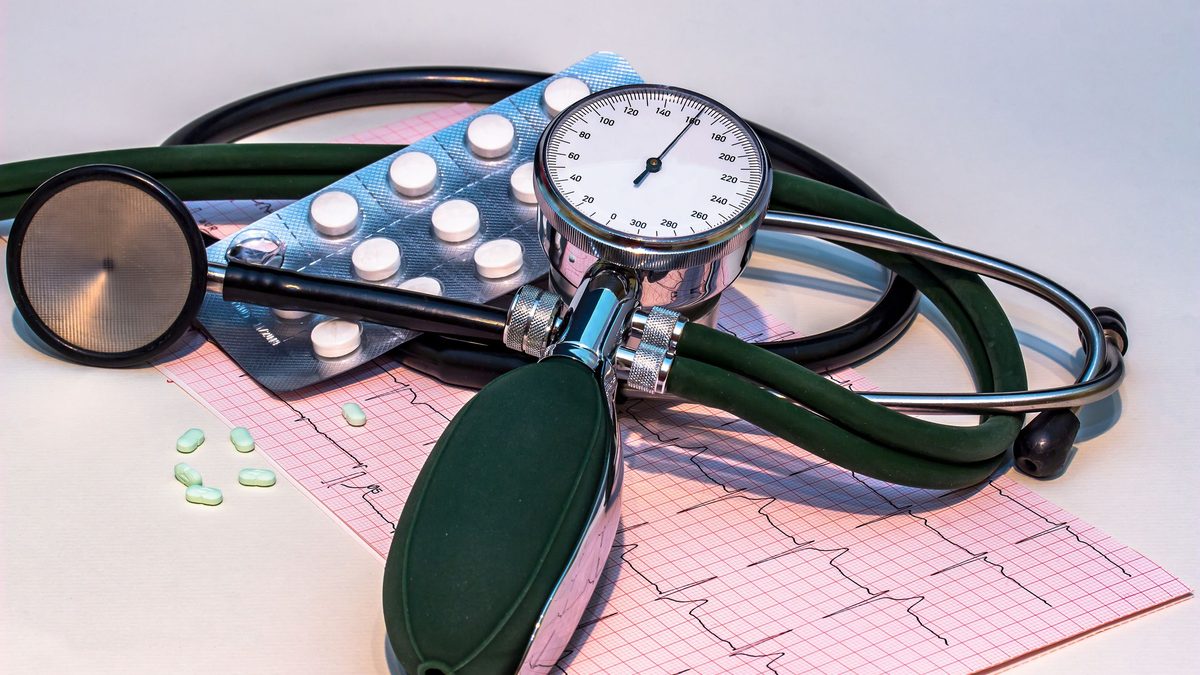
Blood pressure in CKD: why the target is "<120", how to measure at home so it counts, and why one normal reading is no reason to stop your ACEi/ARB
Hypertension is both a cause and a consequence of kidney disease. The KDIGO 2021 blood-pressure guideline suggests a standardized systolic BP below 120 mmHg — but that target only applies to a correctly taken reading. This article covers the SPRINT evidence, a seven-step measurement technique, how to bring a home log to your visit, what to do when creatinine or potassium rise on an ACEi/ARB, and sodium targets.
Blood pressure and the kidneys: a two-way street
High blood pressure damages the glomerular capillaries, causing albuminuria and loss of function; reduced kidney function in turn impairs sodium and water excretion and over-activates the renin–angiotensin system, pushing pressure higher. This vicious circle is why blood-pressure control is one of the core treatments in CKD.
The target: KDIGO 2021 says <120 mmHg — with two conditions
The KDIGO 2021 blood-pressure guideline suggests that adults with non-dialysis CKD, with or without diabetes, be treated to a standardized office systolic BP of <120 mmHg, when tolerated (grade 2B).
This is stricter than the older <130/80 or <140/90, and the evidence comes mainly from SPRINT (2015, NEJM): 9,361 high-cardiovascular-risk non-diabetic adults (about 28% with CKD). The intensive arm (<120) versus the standard arm (<140) had 25% fewer major cardiovascular events and 27% lower all-cause mortality, with consistent results in the CKD subgroup.
Two essential conditions:
- "Standardized measurement." SPRINT used 5 minutes of seated rest, an automated device, no conversation, and the average of 3 readings. Readings taken this way are typically 5–10 mmHg or more lower than a rushed clinic measurement. A hurried single reading of 128 does not mean you have missed the target; conversely, chasing 120 with casual readings risks over-treatment.
- "When tolerated." In older or frail people, those with orthostatic hypotension, high fall risk or limited life expectancy, the target should be relaxed — it is individualised.
Evidence for dialysis and transplant patients is thinner; KDIGO 2021 suggests <130/80 after transplant and individualised targets on dialysis.
Measuring correctly: seven steps
This is the precondition for any target, and the step most people get wrong (AHA and KDIGO agree):
- No smoking, caffeine or exercise for 30 minutes beforehand; empty your bladder.
- Sit quietly for 5 minutes, back supported, both feet flat, legs uncrossed.
- Arm resting on a table with the cuff at heart level; cuff size must fit (too small over-reads).
- Use a validated upper-arm automatic monitor (wrist devices are less accurate).
- Do not talk or use your phone during the reading.
- Take 2–3 readings one minute apart and average them.
- Morning and evening (morning after waking, before medication; evening before bed), for at least 3–7 consecutive days before your visit.
Why home readings matter more than the clinic
- A single clinic reading is affected by white-coat effect and haste, with wide variability.
- Home readings reveal morning hypertension (the peak period for cardiovascular events) and whether your medication lasts until the next dose.
- KDIGO 2021 recommends home or 24-hour ambulatory BP to complement office readings when deciding treatment.
Bringing the log (paper or app screenshots) is far more useful than saying "it's normal at home".
Medication: ACEi/ARB are first-line when there is albuminuria
KDIGO 2021 and 2024: for CKD with albuminuria (UACR ≥30 mg/g, especially ≥300), with or without diabetes, an ACE inhibitor (-pril) or ARB (-sartan) is recommended, titrated to the highest tolerated approved dose, because beyond lowering pressure they directly reduce intraglomerular pressure, cut albuminuria and slow progression.
Creatinine or potassium rises after starting — should I stop?
- Within 2–4 weeks of starting or increasing, a fall in eGFR of ≤30% (or creatinine rise ≤30%) is an expected haemodynamic response; guidelines advise continuing with monitoring.
- A fall >30% needs a cause (dehydration, NSAIDs, renal-artery stenosis).
- Rising potassium: address correctable factors first (high-potassium diet, constipation, NSAIDs, potassium supplements); consider a diuretic or a newer potassium binder (patiromer, SZC). Do not simply stop the ACEi/ARB — guidelines consider its kidney protection worth preserving.
- One normal reading is not a reason to stop. A normal reading means the drug is working; blood pressure and albuminuria usually rebound after unsupervised discontinuation.
Other common agents
- SGLT2 inhibitors: recommended by KDIGO 2024 for CKD with eGFR ≥20 and albuminuria or diabetes; modest BP lowering plus clear kidney and heart protection.
- Non-steroidal MRA (finerenone): can be added for type 2 diabetes with CKD and persistent albuminuria.
- Calcium-channel blockers, thiazide/loop diuretics: common second- and third-line add-ons.
Sodium: under 2 g a day (about 5 g of salt)
KDIGO 2021 suggests sodium intake <2 g/day (about 5 g of salt, one teaspoon) for people with CKD and hypertension. Reducing sodium directly lowers BP, reduces albuminuria and enhances the effect of ACEi/ARB.
Caution: most salt substitutes replace sodium with potassium chloride, which can cause hyperkalaemia in reduced kidney function — ask your doctor first.
Bring these three things to your visit
- Seven consecutive days of morning and evening home readings (with pulse)
- A list of all current medicines (including over-the-counter and supplements)
- One question: "Given my situation, what is my target, and is my technique right?"
References
- KDIGO 2021 Clinical Practice Guideline for the Management of Blood Pressure in Chronic Kidney Disease. Kidney Int 2021;99(3S):S1–S87. https://doi.org/10.1016/j.kint.2020.11.003
- SPRINT Research Group. A Randomized Trial of Intensive versus Standard Blood-Pressure Control. N Engl J Med 2015;373:2103–2116. https://doi.org/10.1056/NEJMoa1511939
- Cheung AK, et al. Effects of Intensive BP Control in CKD (SPRINT CKD subgroup). J Am Soc Nephrol 2017;28:2812–2823. https://doi.org/10.1681/ASN.2017020148
- KDIGO 2024 Clinical Practice Guideline for the Evaluation and Management of CKD. Kidney Int 2024;105(4S):S117–S314. https://doi.org/10.1016/j.kint.2023.10.018
- Whelton PK, et al. 2017 ACC/AHA High Blood Pressure Guideline. Hypertension 2018;71:e13–e115. https://doi.org/10.1161/HYP.0000000000000065
- Muntner P, et al. Measurement of Blood Pressure in Humans: AHA Scientific Statement. Hypertension 2019;73:e35–e66. https://doi.org/10.1161/HYP.0000000000000087
This article compiles publicly available medical information for educational purposes only and is not medical advice. For any health or medication question, please consult a qualified healthcare professional.
Articoli correlati
Before your CT, cardiac cath or MRI: iodinated and gadolinium contrast — risks, prevention and the questions kidney patients should ask
Contrast media are one of the commonest sources of avoidable kidney injury for people with CKD. Based on the KDIGO 2012 AKI guideline and the ACR Manual on Contrast Media: iodinated-contrast risk by eGFR, the three pillars of prevention (hydration, dose, no NSAIDs), whether to stop metformin, group I vs group II gadolinium agents and nephrogenic systemic fibrosis, plus the newer evidence that risk was overestimated — and its limits.
Pain relief with kidney disease: why NSAIDs are risky, is acetaminophen safe, do patches count, and the "triple whammy"
Headache, joint pain, a cold — one casual painkiller can be the start of acute kidney injury for a kidney patient. Based on KDIGO, FDA labels and the BMJ: which drugs are NSAIDs (including many cold remedies), at what eGFR guidelines say "avoid", the ACEi/ARB + diuretic + NSAID triple whammy, the safety limits of acetaminophen and topical agents, and sick-day rules.
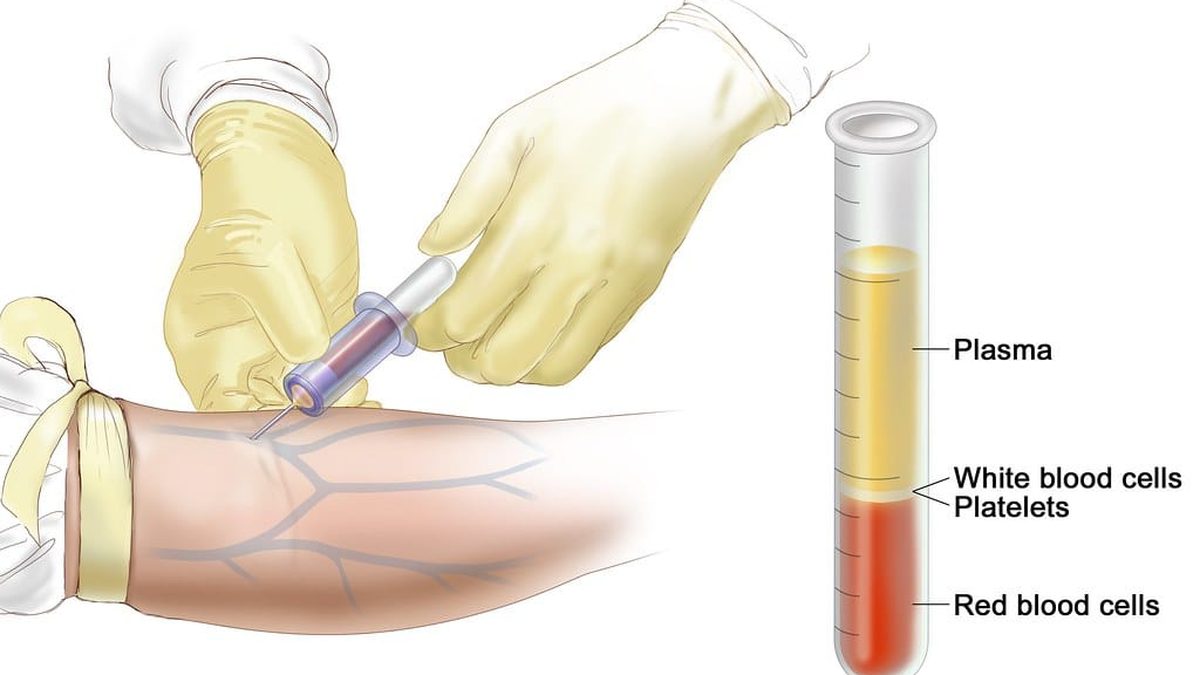
Anemia in CKD: why kidney patients become anemic, iron first or injections, and what the new oral HIF drugs are
Constant fatigue and breathlessness on the stairs may be renal anemia, not "just age". Based on the KDIGO anemia guideline: definition and symptoms, why iron comes first, why the ESA hemoglobin target is not "the higher the better", the evidence and concerns around oral HIF-PH inhibitors, and what to ask at your visit.
