
Factors influencing remission of type 2 diabetes: Key points from a systematic review and meta-analysis (based on abstract)
This systematic review and meta-analysis summarizes 36 studies reporting factors associated with the probability of remission of type 2 diabetes (T2DM), noting that the direction of the BMI association differs between surgical and non-surgical interventions [1].
How to read this research digest
- What this is
- A digest written by Beyond CKD from the public PubMed abstract, with our own context and reminders from a patient’s perspective. It is not the full paper and not treatment advice.
- Reading the numbers
- Relative risks (RR/HR) with 95% confidence intervals describe the difference between groups and its uncertainty; an interval crossing 1 usually means no significant difference. Meta-analyses pool several trials; a single trial needs replication. If the study population differs from you (e.g. non-diabetic, on dialysis, post-transplant), results may not apply.
- Limits
- Unless a “verification scope” note says the full text was checked, the digest is based on the abstract. We are not physicians and give no individual advice. Conclusions may change with later research.
- Next step
- Take your questions to your care team to ask whether this applies to you, or read the original source: PubMed PMID 42959033
Compiled by a kidney-transplant recipient with a health-management background, from public sources; not physician-reviewed. Our editorial principles
Índice
This systematic review and meta-analysis summarizes 36 studies reporting multiple factors associated with the probability of remission of type 2 diabetes (T2DM), and that the direction of the BMI association differs between surgical and non-surgical interventions [1].
Study type: Journal Article, Systematic Review, Meta-Analysis (classification: clinical guideline / high-quality systematic review) Published: Frontiers in endocrinology, 2026-10-15 Source: PubMed public abstract
This systematic review and meta-analysis summarizes 36 studies reporting multiple factors associated with the probability of remission of type 2 diabetes (T2DM), and that the direction of the BMI association differs between surgical and non-surgical interventions [1].
Why this study matters
Why is this study important?
For patients and caregivers concerned about whether type 2 diabetes (T2DM) can reach remission, clinicians commonly discuss which past medical history features or lifestyle factors might influence the likelihood of remission. This systematic review and meta-analysis aims to synthesize prior studies to identify factors associated with the probability of T2DM remission, and to compare differences across intervention types (surgical / non-surgical) and remission definitions, providing clinical and research reference points [1].
What the study actually found
Reported associations from the study (based on the abstract; these are associations, not causation):
- The analysis included 36 studies in total; the remission definition used was discontinuation of glucose-lowering medications for at least 3 months with HbA1c < 6.5% (48 mmol/mol) [1].
- Factors associated with lower probability of remission (reported odds ratios, OR):
- Higher fasting glucose: OR = 0.99 (95% CI [0.99, 1.00], P < 0.001) [1].
- Higher glycated hemoglobin (HbA1c): OR = 0.91 (95% CI [0.88, 0.94], P < 0.001) [1].
- Longer disease duration: OR = 0.89 (95% CI [0.88, 0.90], P < 0.001) [1].
- Greater number of oral glucose-lowering drugs: OR = 0.56 (95% CI [0.38, 0.81], P = 0.002) [1].
- Factors associated with higher probability of remission:
- Greater percent total weight loss (% total weight loss): OR = 1.05 (95% CI [1.04, 1.07], P < 0.001) [1].
- Associations observed within surgical interventions (e.g., bariatric surgery):
- Higher BMI associated with higher probability of remission: OR = 1.05 (95% CI [1.02, 1.08], P = 0.002) [1].
- Older age associated with lower probability of remission: OR = 0.96 (95% CI [0.94, 0.98], P < 0.001) [1].
- Use of insulin associated with lower probability of remission: OR = 0.34 (95% CI [0.23, 0.52], P < 0.001) [1].
- Associations observed within non-surgical interventions:
- Abstaining from alcohol associated with higher probability of remission: OR = 1.14 (95% CI [1.05, 1.26], P < 0.001) [1].
- Smoking associated with lower probability of remission: OR = 0.90 (95% CI [0.86, 0.94], P < 0.001) [1].
- Continued alcohol consumption associated with lower probability of remission: OR = 0.90 (95% CI [0.84, 0.95], P < 0.001) [1].
- Higher BMI in non-surgical interventions associated with lower probability of remission: OR = 0.89 (95% CI [0.86, 0.92], P < 0.001) [1].
- Items not observed to have significant associations in this analysis included: sex, race/ethnicity, physical exercise, intermittent fasting, HOMA-IR, and C-peptide levels [1].
Potential implications for patients with CKD, dialysis, or transplant
Established conclusions vs. hypotheses not yet confirmed (according to the wording in this systematic review abstract):
Associations supported by evidence in the study (the abstract reports multiple statistically significant results):
- Longer disease duration, higher baseline glucose or HbA1c, and use of more oral medications or insulin are generally associated with lower probability of remission [1].
- Larger percent weight loss is associated with higher probability of remission [1].
- BMI shows opposite-direction associations depending on intervention type: in surgical interventions higher BMI is associated with higher probability of remission, whereas in non-surgical interventions higher BMI is associated with lower probability of remission [1].
Hypotheses that are not yet fully confirmed or require cautious interpretation:
- These are observational or pooled associative findings and cannot be directly interpreted as causal; whether changing a given factor (for example stopping alcohol, quitting smoking, or losing weight) will necessarily change remission probability requires confirmation from randomized controlled or large prospective studies [1].
- The opposite-direction BMI association across intervention types may reflect participant selection, surgical eligibility criteria, or other covariate differences and requires further research to clarify mechanisms and clinical meaning [1].
Practical reminders for clinicians/caregivers (not treatment recommendations):
- When assessing probability of remission, consider multiple factors together including disease duration, baseline glycemic control, medication use, and the feasibility of achieving and maintaining weight loss; different interventions (surgical or non-surgical) may affect patient outcomes differently, and suitability should be judged by the care team on an individual basis [1].
Limitations of the current study
Important study limitations:
- This summary is based on the journal abstract; the authors did not provide and this summary did not read the full text: this article is based on the PubMed public abstract and the full text was not reviewed [1].
- The abstract does not provide the total number of participants pooled or detailed differences in individual study designs, so it is not possible here to assess the quality of individual studies, control for confounders, or sources of heterogeneity in the meta-analyses [1].
- The systematic review and meta-analysis present associative results; the original study designs (e.g., observational studies or clinical trials) affect causal inference, and different studies may have varied definitions of remission and follow-up times (the abstract only states that this analysis used discontinuation of medications for at least 3 months and HbA1c < 6.5% as the definition) [1].
- Because this summary relies only on the abstract, it cannot present possible sensitivity analyses, subgroup analyses, or bias assessment details that may be present in the full paper [1].
Conclusions that remain uncertain
Questions not yet resolved or that the abstract does not fully answer:
- Do these associations represent causal relationships that can be modified by interventions to change remission rates?
- Why does BMI show opposite-direction associations in surgical vs. non-surgical settings? Is this related to patient selection, metabolic differences, or surgical effects?
- What are the long-term (years) durability and safety of remission, and how generalizable are findings to different populations or disease subtypes?
- To what extent do study design, follow-up duration, comorbidities, and medication use as potential confounders affect the pooled results?
The above questions require large, prospective, and well-designed studies for verification and supplementation [1].
Questions to discuss with your healthcare team
- Does my treating physician use the same remission definition as this analysis (discontinuation of glucose-lowering medications ≥3 months and HbA1c < 6.5%) to evaluate remission?
- Based on my disease duration, current glycemic control, and medication regimen, how does the care team assess my chances of achieving remission? (This is a clinical discussion and does not imply changing medications.)
- If considering surgery or other intensive interventions, what risks and benefits might that intervention bring in my situation, and how might BMI affect outcomes differently across interventions?
- Are there clinical guidelines or high-quality studies regarding smoking cessation, alcohol cessation, or weight loss that can be discussed alongside my current treatments?
How to read this study (our interpretation)
This section was written by the Beyond CKD editor — a kidney-transplant recipient with a health-management background, not a physician — using only the PubMed abstract. We have not read the full paper, and no clinician has reviewed this text. It is meant to help you understand the numbers, not to advise treatment.
What the study asked
“Remission” of type 2 diabetes — here defined as HbA1c below 6.5% at least 3 months after stopping glucose-lowering drugs — has become a popular goal. This meta-analysis of 36 studies asked who is more likely to achieve it, and whether the factors differ between surgical (bariatric) and non-surgical approaches.
How to read the results
First, odds ratios: an OR below 1 means the factor goes with lower odds of remission, above 1 with higher odds, and the interval must not cross 1 to count. Overall, each 1% higher HbA1c cut the odds by about 9% (OR 0.91, 0.88–0.94); each extra year of diabetes by about 11% (OR 0.89, 0.88–0.90); taking more oral drugs roughly halved them (OR 0.56, 0.38–0.81); each additional 1% of body weight lost raised them about 5% (OR 1.05, 1.04–1.07). BMI pointed in opposite directions: after bariatric surgery, higher BMI meant more remission (OR 1.05), but in non-surgical programmes higher BMI meant less (OR 0.89). In the surgical group, older age (OR 0.96 per year) and insulin use (OR 0.34) were unfavourable; in non-surgical settings, quitting alcohol helped (OR 1.14) while smoking and continued drinking hurt (both OR 0.90). Sex, ethnicity, exercise, intermittent fasting, HOMA-IR and C-peptide showed no significant association. Fasting glucose was statistically significant (OR 0.99) but the effect is so small it means little clinically.
Limitations
The 36 studies varied widely in design, intervention and follow-up, and the abstract says nothing about heterogeneity. “Exercise was not associated” most likely reflects inconsistent definitions and measurement, not that exercise is useless. These are observed associations, not proof that changing a factor produces remission. Remission is not cure; relapse is possible.
What it means for readers and people with kidney disease
For readers with diabetes, the practical lesson is that the odds are best when you act early — shorter duration, lower HbA1c, fewer drugs. Waiting until things worsen works against you. Weight loss is one of the few factors you can influence directly. If you also have CKD, both bariatric surgery and very-low-calorie diets need kidney input; this review does not examine how kidney function affects remission.
How to check further
Ask your doctor: Given my diabetes duration, HbA1c and medication count, is remission a realistic goal for me? With my kidney function, which weight-loss approaches are safe?
Original abstract: PubMed 42959033 (https://pubmed.ncbi.nlm.nih.gov/42959033/). Interpretation last updated 2026-11-06.
References
[1] Cheng S, Chen J, Zhang X, Qi H, Kang X, Nie W. Influencing factors of type 2 diabetes remission: a systematic review and meta-analysis.. Frontiers in endocrinology. 2026. DOI: 10.3389/fendo.2026.1916734. PMID: 42959033.
Medical disclaimer: This article is for general health education and information only. It does not constitute individual medical diagnosis, treatment advice, or a doctor–patient relationship. Medical research is continually updated, and study findings have their own scope and limitations. Every patient's condition, laboratory values, medications and treatment needs differ. Do not stop or adjust medication doses, change your diet or fluid intake, or alter dialysis or transplant treatment based on this article alone. For any medical questions, please consult your nephrologist or another qualified healthcare professional.
Article created: 2026-10-30|Original study published: 2026-10-15|Last checked: 2026-10-30 (source metadata cross-checked with PubMed)
Historial de cambios
- AdSense 最終複審準備:新增站方判讀段(研究問題/結果解讀/限制/意義/查證),zh/en/ja,依 PubMed 摘要撰寫
Where to go next
Related knowledge
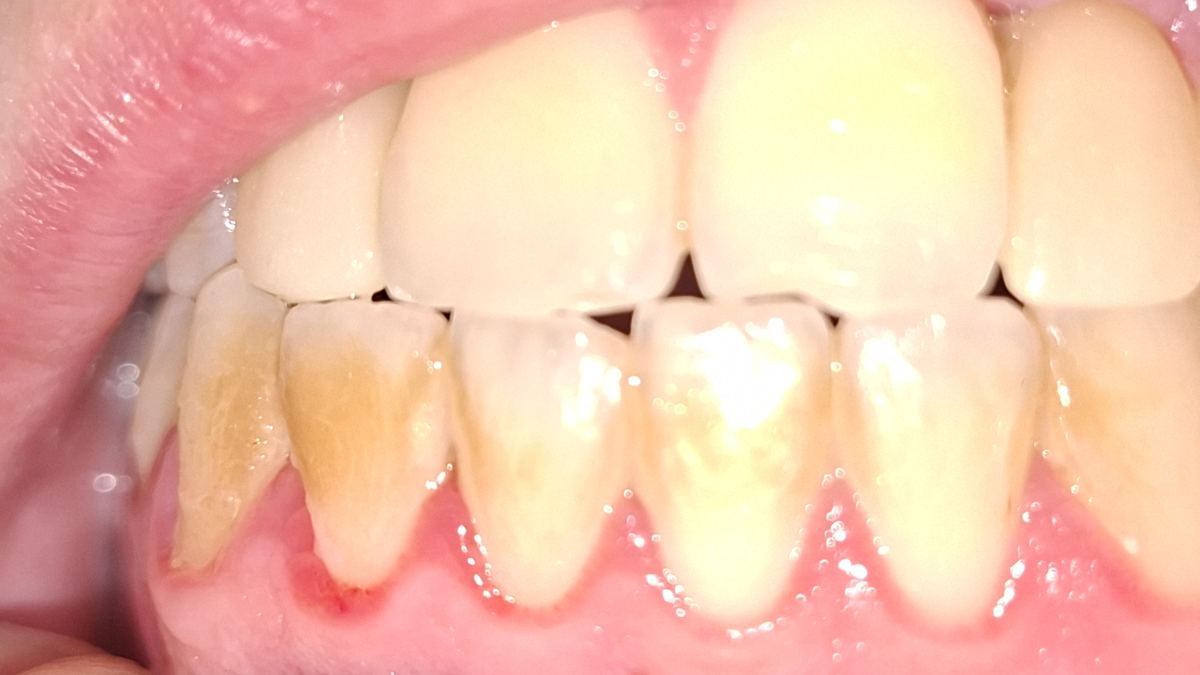
查核:「牙周病只是牙齦問題,跟糖尿病、心臟或腎臟無關」是真的嗎?
結論:不成立。依現有高品質證據,牙周病與糖尿病之間有雙向關聯,也與心血管疾病有穩定關聯訊號[1][2][3],已經不是單純的「牙齦局部問題」。對腎臟的直接關係,目前證據有限,只能說推論上可能相關但尚未證實。
查核:「打胰島素是最後一步,打了就一輩子、還會害人洗腎」是真的嗎?
結論:不成立。胰島素不是只能當「最後手段」,有時一開始就建議使用,也不一定「打了就一輩子」。現有臨床試驗顯示,較佳的血糖控制(其中許多病人使用胰島素)與減少微血管併發症有關,沒有證據顯示胰島素本身會「害人洗腎」。
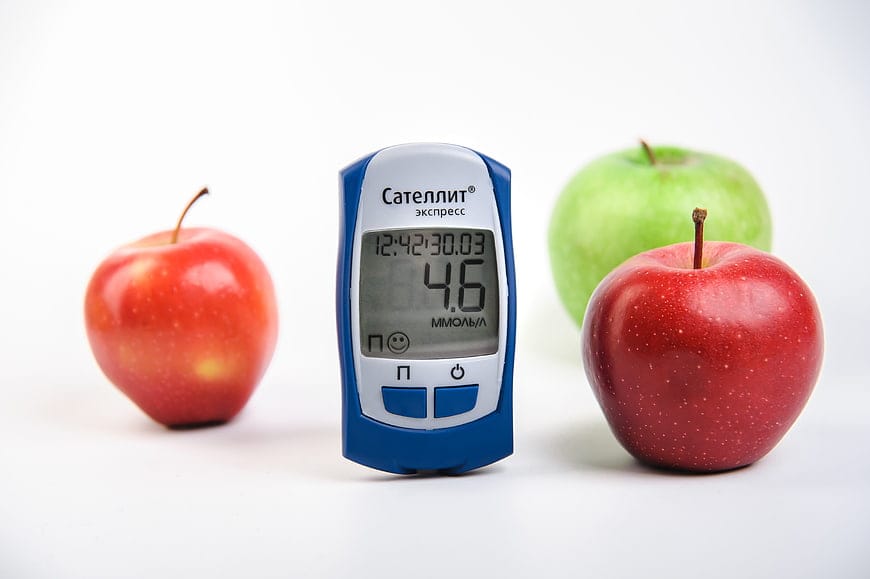
查核:「糖尿病患者不能吃水果」是真的嗎?
結論:不成立。觀察性研究顯示,適量吃新鮮水果與糖尿病發生率及某些併發症風險較低有關,臨床指引也著重總碳水化合物與個人化調整,而非全面禁止水果。
Related global data
Diabetes y metabolismo · Estadísticas mundialesGlobal burden and trends for this topic (with sources and years)Lived experience

After Rebirth: From Dialysis Patient to Health Educator — Choosing to Return to the Ward
Shock at birth led to chronic glomerulonephritis; dialysis began at 26; a kidney transplant came on Christmas Day at 32.

Why Did I End Up on Dialysis?
A difficult birth, shock and oxygen deprivation damaged both my kidneys. As a teenager I skipped my medication. At 26, a single glass of orange juice sent me straight to the emergency room.
