
How Should Kidney Transplant Recipients Train? Protecting the Graft, Steroid & Immunosuppressant Effects, Phase-by-Phase Post-Surgery Program, and Countering Post-Transplant Diabetes & Bone Loss
A successful transplant is not the finish line; it is the start of rebuilding a body that dialysis and medication have worn down. Based on the KDIGO transplant guideline and transplant-recipient exercise RCTs, this article explains where the graft sits and which movements to avoid; how prednisolone and tacrolimus affect muscle and glucose; what to train at 0–6 weeks, 6–12 weeks and beyond 3 months; and how training counters post-transplant diabetes, bone loss and cardiovascular risk.
Author disclosure: the author of this site is a kidney transplant recipient. Everything below is drawn from guidelines and verified literature, but every program must be confirmed with your transplant team, especially within 3 months of surgery and during rejection or infection treatment.
1. Why recipients need training more, not less
After transplant your kidney function returns, but your body still carries three things: sarcopenia accumulated during dialysis, side effects of immunosuppressants, and persistently high cardiovascular risk (cardiovascular disease remains the leading cause of death with a functioning graft).
- Average weight gain in the first post-transplant year is 5–10 kg, mostly fat; muscle mass often does not recover in parallel (Workeneh 2019).
- Recipients' peak oxygen uptake (VO₂peak) averages only 60–70% of age-matched healthy people (Painter 2002).
- Systematic reviews show regular exercise after transplant significantly improves VO₂peak, strength and quality of life, and no study has reported exercise-induced graft injury (Calella 2019; Oguchi 2019).
- RCT (Painter 2002, n=167): 12 months of home-based exercise improved VO₂peak and strength while controls kept declining.
- 2023 Cochrane review (Janaudis-Ferreira): exercise training improves exercise capacity and quality of life in solid-organ recipients with no serious adverse events.
Bottom line: for recipients, exercise is a way to protect the graft, not a threat to it.
2. Know where your graft is
The transplanted kidney usually sits in the right or left lower abdomen (iliac fossa) — superficial, under the abdominal wall muscles, with no rib protection. Your native kidneys are usually left in place.
| Principle | Detail |
|---|---|
| Avoid direct impact | No high-contact sports: rugby, boxing, MMA, ice hockey; football/basketball only after discussing with your team, possibly with an abdominal guard |
| Avoid direct abdominal loading | No barbell resting directly on the lower abdomen (some hip-thrust variants), no sandbags on the belly |
| Core training is fine | Planks, dead bugs, bird dogs and side planks are safe; add crunch-type movements only after 6–12 weeks |
| Protective gear | For cycling, skiing or horse riding some centres recommend a kidney guard |
Neither the American Society of Transplantation nor the UK Kidney Association bans most sports for recipients. The World Transplant Games, held every two years, include athletics, swimming, cycling, tennis, badminton and powerlifting.
3. How immunosuppressants affect training (must-read)
| Drug | Effect on the body | Training implication |
|---|---|---|
| Steroids (prednisolone) | Muscle protein breakdown (proximal muscles), hyperglycaemia, bone loss, tendon fragility, fat accumulation | Resistance training is the most direct countermeasure; progress tendon loading gradually, avoid sudden explosive movements |
| Tacrolimus / ciclosporin | Hyperglycaemia (PTDM), hypertension, raised potassium, tremor, cramps, low magnesium | Exercise improves insulin sensitivity; check potassium before high-intensity work; frequent cramps → check magnesium |
| mTOR inhibitors (sirolimus, everolimus) | Delayed wound healing, mouth ulcers, high lipids, muscle soreness | Extend the conservative phase after any surgery; soreness lasting longer than expected is normal |
| Mycophenolate (MMF, MPA) | Diarrhoea, low white cells | WBC <3,000 → avoid crowded gyms, train at home; watch hydration when diarrhoea occurs |
Three shared rules:
- Never shift dosing times for training. Tacrolimus needs a fixed 12-hour interval; train before or after, but never skip or delay a dose.
- Blood-test mornings: on trough-level days, draw blood first, then take the dose; schedule exercise after the draw.
- Infection risk: within 6 months of transplant or after intensified immunosuppression, avoid public pools, un-wiped shared equipment and crowded enclosed spaces.
4. Phase-by-phase program
Phase 1: weeks 0–6 (wound healing)
- Goal: prevent bed-rest muscle loss, promote circulation, prevent clots.
- Do: several short walks daily (start on the ward corridor; after discharge build to 20–30 min total per day), ankle pumps, deep breathing, seated leg raises, shoulder/neck mobility.
- Don't: lift >5 kg (a bag of rice), crunches, twisting, bending to lift, swimming (wound not sealed), cycling (pressure on wound and catheter area).
- Red flags: wound discharge, swelling, fever → contact your transplant team immediately.
Phase 2: weeks 6–12 (rebuilding)
- Goal: restore daily function, start light resistance work.
- Aerobic: progress walking to brisk walking 30 min, 5 days/week; stationary bike with the saddle adjusted so nothing presses on the graft.
- Strength: bands and body weight — sit-to-stand, wall squat, standing row, wall push-up; 2 sessions/week, 2 sets × 10–12 reps each.
- Core: kneeling plank, dead bug, bird dog.
- Still avoid: loads >10 kg, direct abdominal loading, forceful twisting, high-impact jumping.
Phase 3: beyond 3 months (progression)
- Goal: reach the WHO adult target — 150–300 min moderate aerobic activity per week plus ≥2 strength sessions.
- Strength: free weights and machines are allowed; master technique with light loads, then add 5–10% every 1–2 weeks. Squat, deadlift, bench, row and press are all fine — make sure a lifting belt does not sit over the graft (use a narrower belt or none).
- Aerobic: brisk walking, jogging, swimming (once the wound is fully healed and your team agrees), cycling, elliptical. HIIT can be introduced once a base is built (O'Connor 2017 showed HIIT is safe and feasible in recipients).
- Balance & flexibility: steroid users have a high fall-fracture risk — add 2 balance sessions per week (single-leg stance, tai chi).
5. Three recipient-specific issues
1. Post-transplant diabetes (PTDM)
- About 10–30% of recipients develop PTDM in year one (Sharif 2014); tacrolimus and steroids are the main drivers.
- Exercise is first-line prevention: a 10–15 min walk after each meal plus 2 strength sessions per week markedly improves insulin sensitivity.
- If you already have PTDM, follow the rules in How diabetic kidney patients should train: monitor glucose, avoid hypoglycaemia, protect your feet.
2. Bone loss and fractures
- Bone density falls 5–10% in the first year (peak steroid effect).
- Weight-bearing exercise (walking, jogging, stairs) and resistance training are the only exercise types that stimulate bone; swimming and cycling help little.
- Steroid users should avoid loaded spinal flexion (sit-ups, heavy round-back deadlifts) to prevent vertebral compression fractures.
3. Blood pressure and the heart
- Hypertension affects 70–90% of recipients.
- Never hold your breath during lifts (the Valsalva manoeuvre can push systolic pressure above 200 mmHg) — exhale on effort.
- Pre-exercise systolic >180 or diastolic >110 → no training that day.
6. When to stop and call your team
- Pain, swelling or tenderness over the graft
- Sudden drop in urine output, blood in urine, more foamy urine
- Fever, red or swollen wound
- Weight gain >2 kg in a week with oedema
- Chest pain, severe dizziness or unusual breathlessness during exercise
- A sudden creatinine rise on bloods — pause high-intensity training until rejection and dehydration are excluded
Hydration: most recipients are asked to drink 2–3 litres daily to maintain graft perfusion. On training days add more according to sweat loss; weigh yourself before and after and replace 1–1.5 L per kg lost.
7. Sample week (beyond 3 months)
| Day | Session |
|---|---|
| Mon | Strength A (squat, row, press, plank) 40 min |
| Tue | Brisk walk or bike 30–40 min |
| Wed | Strength B (deadlift or hip bridge, bench or push-up, lunge, bird dog) 40 min |
| Thu | Rest or easy walk, stretching |
| Fri | Aerobic 30–40 min + 10 min balance |
| Sat | Outdoor activity (hiking, swimming, non-contact ball sports) |
| Sun | Rest |
References
- KDIGO Clinical Practice Guideline for the Care of Kidney Transplant Recipients. Am J Transplant 2009;9(Suppl 3):S1–S155.
- Painter PL, et al. A randomized trial of exercise training after renal transplantation. Transplantation 2002;74(1):42–48.
- Calella P, et al. Exercise training in kidney transplant recipients: a systematic review. J Nephrol 2019;32(4):567–579.
- Janaudis-Ferreira T, et al. Exercise for solid organ transplant candidates and recipients. Cochrane Database Syst Rev 2023.
- Oguchi H, et al. Effects of exercise training in kidney transplant recipients: a meta-analysis. Clin Exp Nephrol 2019;23:275–284.
- Sharif A, et al. Proceedings from an international consensus meeting on posttransplantation diabetes mellitus. Am J Transplant 2014;14(9):1992–2000.
- Workeneh B, et al. Successful kidney transplantation is associated with weight gain from truncal obesity and loss of muscle mass. J Ren Nutr 2019;29(6):548–555.
- O'Connor EM, et al. Long-term pulse wave velocity outcomes with aerobic and resistance training in kidney transplant recipients. Nephrol Dial Transplant 2017;32(Suppl 3).
- Nikkel LE, et al. Risk of fractures after renal transplantation in the United States. Transplantation 2009;87(12):1846–1851.
- World Transplant Games Federation. Sport & Transplant guidance. https://wtgf.org
- WHO Guidelines on Physical Activity and Sedentary Behaviour, 2020.
- American Society of Transplantation. Physical activity after transplant (patient education). https://www.myast.org
관련 글
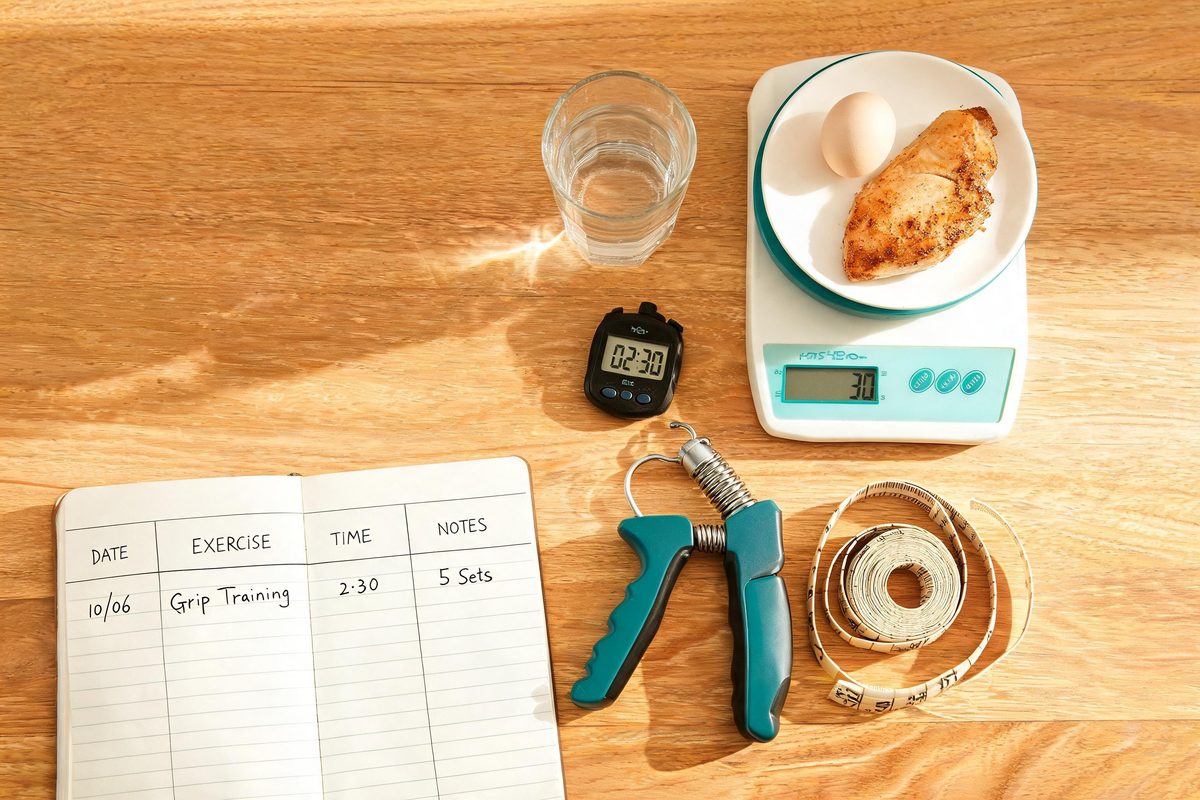
15 Practical Fitness Tips for Kidney Patients: Using RPE for Intensity, Progressive Overload, Protein Without Harming Your Kidneys, SARC-F Sarcopenia Self-Test, Warm-up & Breathing, Hydration and the Potassium in Sports Drinks
Once you know you *should* exercise, the real sticking points are how, how much, and what to eat. This article answers the 15 questions kidney patients ask most: the RPE scale, how much weight to add each week, protein targets for non-dialysis CKD / dialysis / transplant, what to eat after training, the 5-question SARC-F test, warm-up and cool-down, breathing, the potassium content of sports drinks, and which symptoms mean stop. Every tip cites its evidence.
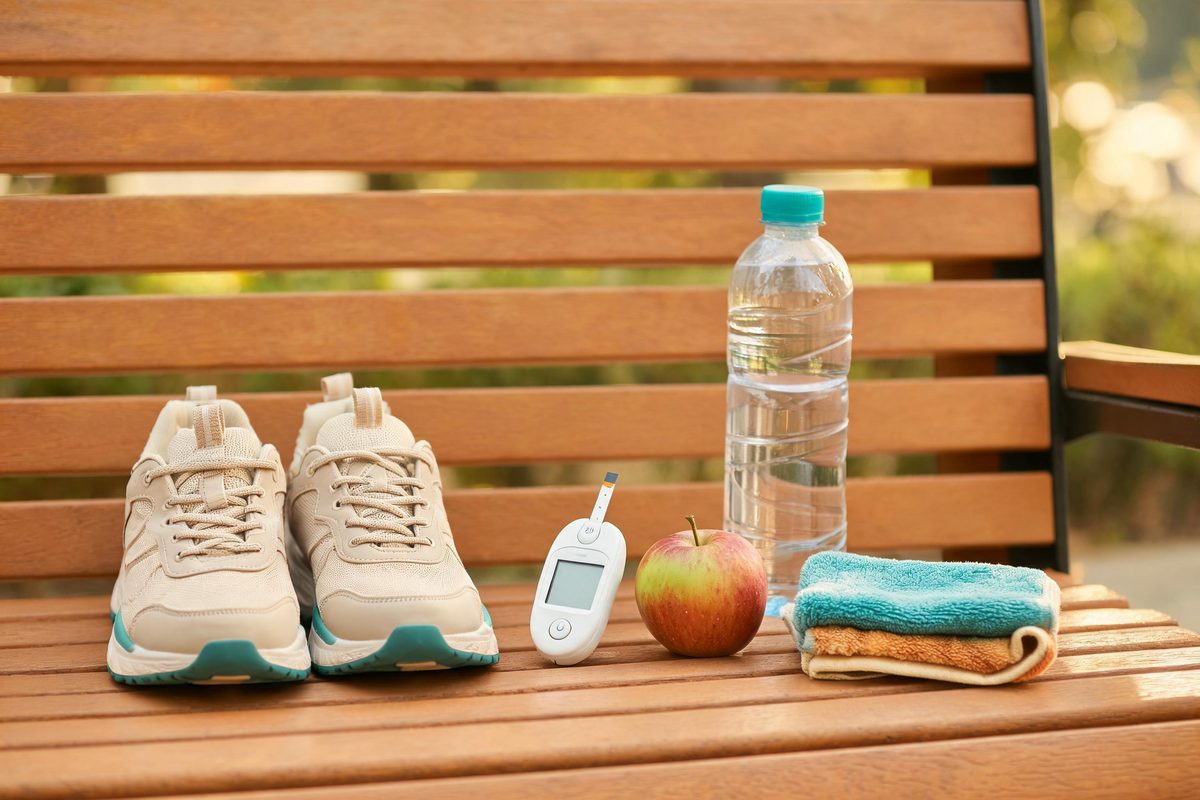
How Diabetic Kidney Patients Should Train: When to Check Glucose, When Not to Train, the Science of Post-Meal Walking, Protecting Feet and Eyes, and Adjustments for Insulin and SGLT2 Users
People with diabetes and kidney disease gain the most from exercise (glucose, blood pressure and albuminuria all improve) but must manage three special problems: hypoglycaemia, foot injury and retinopathy. Based on ADA 2025 and KDIGO 2022, this article explains how to read glucose before, during and after exercise, why post-meal walking works, when not to train, how insulin and each glucose-lowering drug class interact with exercise, and gives a sample week.
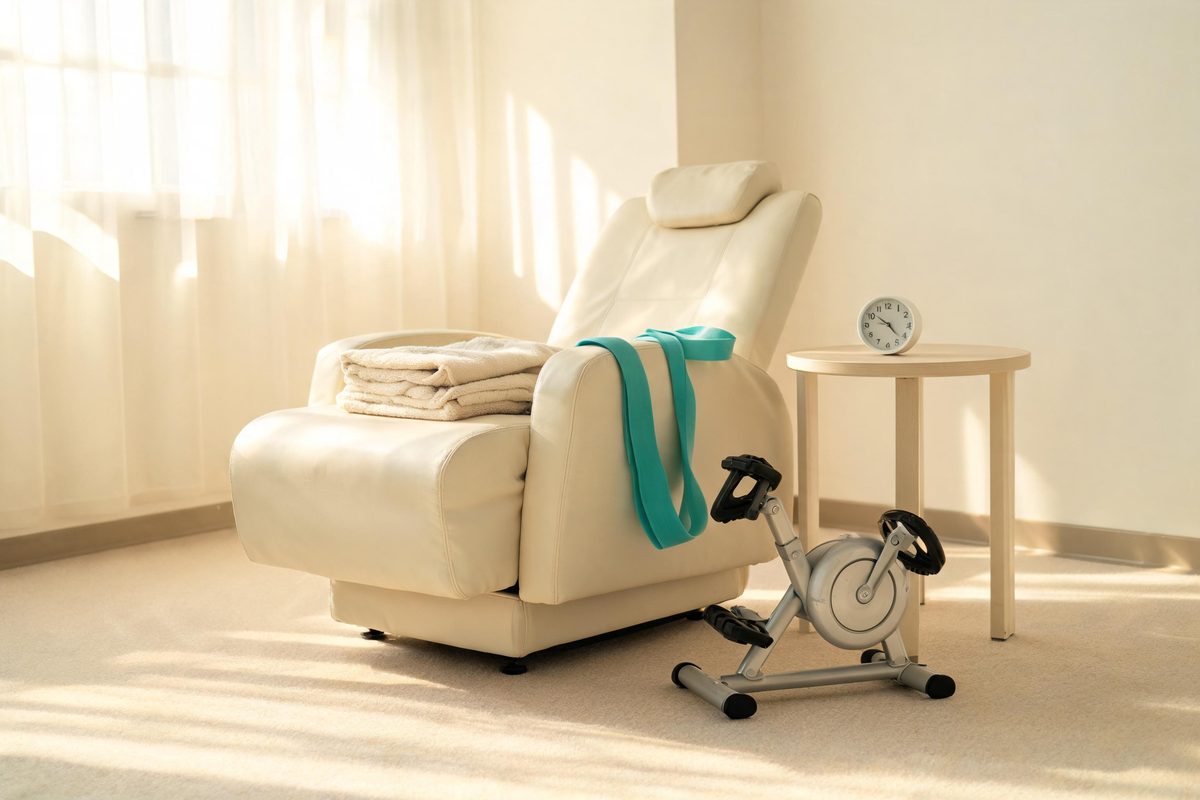
How Dialysis Patients Should Train: A 12-Week Program for Hemodialysis and Peritoneal Dialysis — Intradialytic Exercise, Fistula Protection, Abdominal Pressure, Potassium and Fluids
Dialysis patients need training the most and are told to "take it easy" the most. Based on Cochrane 2022, KDOQI and renal rehabilitation guidelines, this article gives separate 12-week plans for HD and PD: when to train (on dialysis / non-dialysis days), what to train (aerobic + strength + balance), how to handle the fistula arm, which movements PD patients must avoid, how to manage potassium and dehydration, and eight exercises you can do in the dialysis chair.