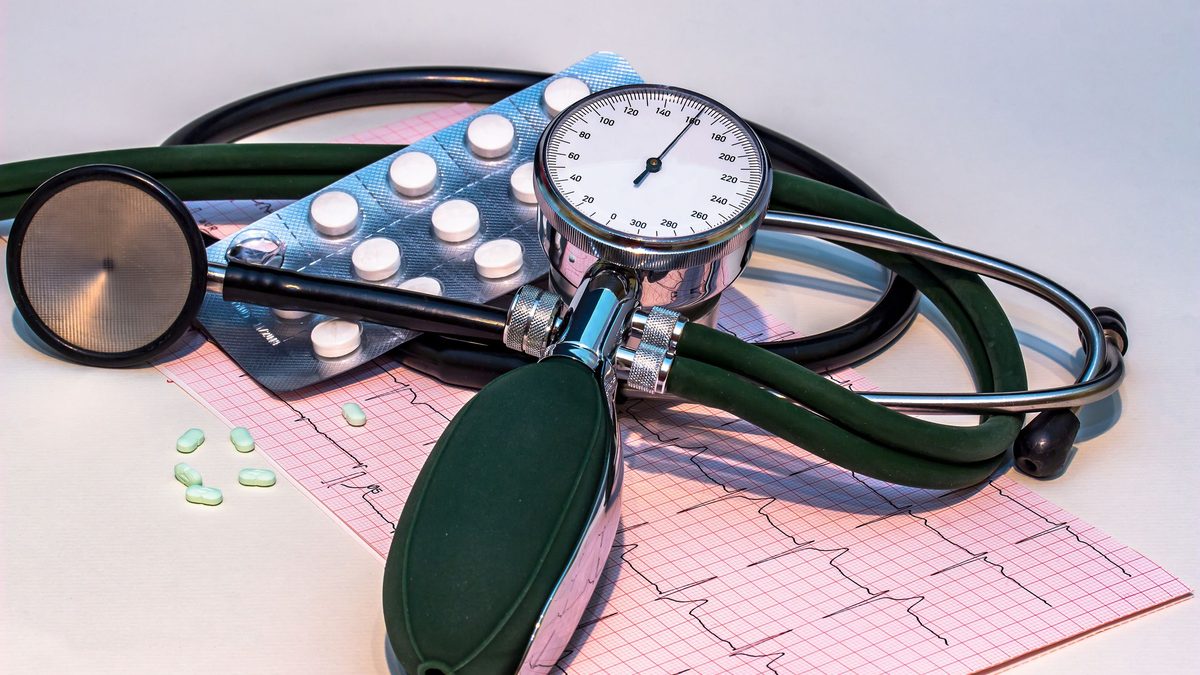
Hypertension Guide: How to Measure at Home, What Counts as High, and How Much Lifestyle Alone Can Do
About 1.3 billion adults have hypertension and nearly half don't know it. Based on the 2017 ACC/AHA, 2023 ESH and 2024 ESC guidelines, this guide covers correct home measurement, how the thresholds differ, how many mmHg each lifestyle change is worth, and when to seek care immediately.
Indice
- Why hypertension is called the "silent killer"
- What counts as high? Three guidelines compared
- Measuring at home: the "7-2-2 rule"
- How much can lifestyle lower it without pills?
- Targets: is lower always better?
- Special notes for kidney patients and transplant recipients
- When to seek care immediately
- Questions to ask your doctor
- References
Why hypertension is called the "silent killer"
High blood pressure usually causes no symptoms, yet it is the single largest modifiable risk factor for death worldwide. WHO estimates that in 2019 about 1.28 billion adults aged 30–79 had hypertension, 46% were unaware, and only about 21% had it controlled [1]. Over years, raised pressure damages the vessel lining and leads to stroke, heart attack, heart failure, chronic kidney disease and dementia.
For people with kidney disease, hypertension is both a cause and a consequence of CKD: falling kidney function → salt and water retention and renin activation → higher pressure → higher glomerular pressure → faster decline. Breaking that loop is one of the most effective ways to slow CKD [5].
What counts as high? Three guidelines compared
| Office BP (mmHg) | 2017 ACC/AHA (US) [2] | 2023 ESH / 2024 ESC (Europe) [3][4] |
|---|---|---|
| <120 / <80 | Normal | Optimal |
| 120–129 / <80 | Elevated | Normal |
| 130–139 / 80–89 | Stage 1 hypertension | High-normal / ESC 2024 "elevated BP" |
| 140–159 / 90–99 | Stage 2 | Grade 1 |
| ≥160 / ≥100 | Stage 2 | Grade 2–3 |
| ≥180 / ≥120 | Hypertensive crisis | Grade 3 / emergency |
The difference lies in the 130–139/80–89 band: the US labels it stage 1 (usually managed with lifestyle first), Europe calls it high-normal. Both agree: ≥140/90 must be treated, and most people should aim for <130/80 if tolerated [2][3][4].
Taiwan's 2022 guideline uses home BP ≥130/80 mmHg as the diagnostic threshold and recommends home measurement as the primary method [6].
Measuring at home: the "7-2-2 rule"
Office readings are inflated by the "white-coat effect"; home readings better reflect true pressure and better predict cardiovascular events [2][3]. Taiwan's guideline summarises this as 7-2-2 [6]:
- 7 consecutive days
- 2 sessions a day (within 1 hour of waking; before bed)
- 2 readings per session, 1 minute apart, averaged
Technique matters as much as the device [2][3]:
- No smoking, caffeine or exercise for 30 minutes; empty your bladder first.
- Sit quietly for 5 minutes, feet flat, back supported.
- Arm resting on a table with the cuff at heart level; don't roll sleeves tightly.
- Use an upper-arm automated device (wrist devices are less accurate); the cuff must fit your arm circumference.
- Don't talk or use your phone during the reading.
- Bring a new device to a clinic visit once to compare against the staff's reading.
Home thresholds are 5 mmHg lower than office: a home average ≥135/85 (ESH) or ≥130/80 (ACC/AHA, Taiwan) corresponds to office hypertension [2][3][6].
How much can lifestyle lower it without pills?
Guidelines give concrete averages (individual responses vary widely) [2][3]:
| Intervention | Mean systolic reduction | Notes |
|---|---|---|
| Weight loss | ≈ −1 mmHg per kg lost | Target BMI 18.5–24.9 (lower cut-offs, <23–24, often used for Asian populations) |
| DASH diet | ≈ −11 mmHg in hypertensives | Fruit, vegetables, whole grains, low-fat dairy; less red meat and sweets |
| Sodium reduction | ≈ −5 to −6 mmHg | Target <1,500–2,000 mg sodium/day (≈4–5 g salt); DASH-Sodium showed the combination works best [7] |
| More dietary potassium | ≈ −4 to −5 mmHg | From fruit and vegetables; ask your doctor first if CKD stage 3+ or on potassium-sparing drugs (see below) |
| Exercise | aerobic −5 to −8; resistance −4 | ≥150 min/week moderate aerobic + resistance training 2–3 days/week |
| Limit alcohol | ≈ −4 mmHg | ≤2 drinks/day men, ≤1 women; none is best |
Combined, many people with stage 1 hypertension can avoid or reduce medication. But if BP is still ≥140/90 after 3–6 months, or starts at ≥160/100, or you already have diabetes, CKD or cardiovascular disease, guidelines recommend starting medication at the same time [2][3].
Targets: is lower always better?
SPRINT (9,361 high-risk adults without diabetes) showed that targeting systolic <120 versus <140 cut major cardiovascular events by 25% and all-cause death by 27%, but with more hypotension, syncope, acute kidney injury and electrolyte disturbances [8]. Note that SPRINT used unattended automated office measurement, which reads 5–10 mmHg lower than routine office BP.
Current consensus [2][3][4][5]:
- Most adults: <130/80 if tolerated.
- Over 65: ESH accepts systolic 130–139; lower if fit and tolerated.
- CKD: KDIGO 2021 suggests systolic <120 (standardised office measurement, if tolerated); evidence is insufficient for dialysis and transplant patients, so individualise [5].
- Diabetes: <130/80.
"If tolerated" matters: dizziness, blackouts on standing or falls mean the target should be revisited, not endured.
Special notes for kidney patients and transplant recipients
- Potassium: the DASH diet and "eat more fruit and veg" advice can cause hyperkalaemia if eGFR <45 or you take an ACEi/ARB or MRA (spironolactone, finerenone). Use this site's potassium lookup and talk to a dietitian.
- ACEi/ARB are first-line in CKD with albuminuria; a creatinine rise of ≤30% after starting is expected and not a reason to stop, but potassium must be monitored [5].
- Dialysis: pre-, intra- and post-dialysis pressures differ widely; interdialytic home BP matters most, and targets should be set individually with your nephrologist.
- Transplant: tacrolimus and steroids raise BP; amlodipine is often first choice, but diltiazem/verapamil sharply raise tacrolimus levels — check this site's interaction lookup first.
- Painkillers: NSAIDs raise BP and blunt antihypertensives; kidney patients should avoid them.
When to seek care immediately
Call emergency services or go to the ED now (hypertensive emergency) [2]:
- BP ≥180/120 plus any of: severe headache, chest pain, breathlessness, blurred vision, slurred speech or one-sided weakness, confusion, seizure, blood in urine or sudden drop in urine output.
Same or next day:
- BP ≥180/120 without those symptoms → rest 5 minutes and re-measure; if still high, contact your doctor today.
- Home average ≥160/100 for a week.
- New leg swelling or breathlessness when lying flat.
Routine appointment: home average persistently ≥130/80, or erratic readings despite medication.
Questions to ask your doctor
- Given my age and kidney function, what is my target?
- How does my home log (exportable from this site's BP tool) compare with office readings? Do I need 24-hour monitoring?
- Am I taking anything that raises BP (NSAIDs, steroids, decongestants, oral contraceptives)?
- Can I eat more fruit and vegetables, or is my potassium a concern?
- Should I have a urine albumin test (UACR) and kidney function check?
References
- World Health Organization. Global report on hypertension: the race against a silent killer. 2023. https://www.who.int/publications/i/item/9789240081062
- Whelton PK, et al. 2017 ACC/AHA Guideline for High Blood Pressure in Adults. Hypertension. 2018;71(6):e13–e115. https://doi.org/10.1161/HYP.0000000000000065
- Mancia G, et al. 2023 ESH Guidelines for the management of arterial hypertension. J Hypertens. 2023;41(12):1874–2071. https://doi.org/10.1097/HJH.0000000000003480
- McEvoy JW, et al. 2024 ESC Guidelines for elevated blood pressure and hypertension. Eur Heart J. 2024;45(38):3912–4018. https://doi.org/10.1093/eurheartj/ehae178
- KDIGO 2021 Clinical Practice Guideline for the Management of Blood Pressure in CKD. Kidney Int. 2021;99(3S):S1–S87. https://doi.org/10.1016/j.kint.2020.11.003
- Wang TD, et al. 2022 Taiwan Hypertension Guidelines. Acta Cardiol Sin. 2022;38(3):225–325. https://doi.org/10.6515/ACS.202205_38(3).20220321A
- Sacks FM, et al. DASH-Sodium trial. N Engl J Med. 2001;344(1):3–10. https://doi.org/10.1056/NEJM200101043440101
- SPRINT Research Group. Intensive versus standard blood-pressure control. N Engl J Med. 2015;373(22):2103–2116. https://doi.org/10.1056/NEJMoa1511939
This article compiles publicly available medical information for educational purposes only. It is not medical advice and has not been reviewed by a practising physician. For any health or medication question, consult a qualified professional. For chest pain, sudden breathlessness, one-sided weakness or slurred speech, call your local emergency number or go to the emergency department immediately.
Registro modifiche
- 初版:依 2017 ACC/AHA、2023 ESH、2024 ESC 高血壓指引與 SPRINT、DASH-Sodium 試驗整理。
Where to go next
Related knowledge
查核:「血壓量起來正常了,就可以把降血壓藥停掉」是真的嗎?
不成立。多項大型研究與高血壓指引都指出,血壓能維持「正常」,與持續用藥與生活調整密切相關;若未經專業評估就自行停藥,多數人血壓可能再升高,心血管與腎臟風險也可能跟著增加。尤其是已確診高血壓、曾有心血管或腎臟疾病者,更不建議在未與醫師討論前自行停藥。
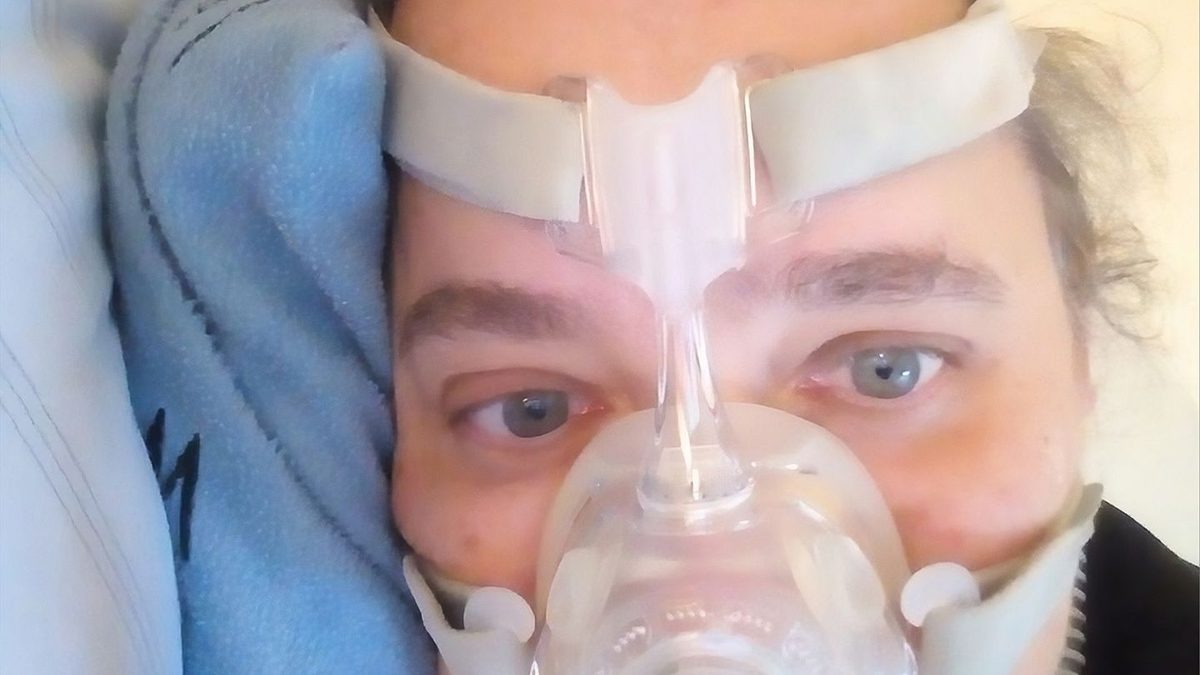
Obstructive Sleep Apnoea: Snoring Isn't Trivial — STOP-BANG Self-Screening, How Sleep Testing Works, What CPAP Improves, and Why Kidney Patients Are So Often Affected
Nearly a billion adults are estimated to have obstructive sleep apnoea, the vast majority undiagnosed.
腎友的血壓:為什麼目標是「<120」、在家怎麼量才算數、ACEi/ARB 為什麼不能因為一次正常就停
高血壓既是腎臟病的原因也是結果。KDIGO 2021 血壓指引建議「標準化測量下收縮壓 <120 mmHg」,但這個目標只對正確量法有效。本文整理 SPRINT 試驗支持較嚴格血壓控制的證據、七個步驟的正確量法、家庭血壓紀錄怎麼帶去回診、ACEi/ARB 與鉀/肌酸酐上升的大原則,以及鈉攝取建議與實作清單,協助腎友和醫療團隊一起設定合適的血壓目標。
Related global data
Cuore e vasi · Statistiche mondialiGlobal burden and trends for this topic (with sources and years)Lived experience

After Rebirth: From Dialysis Patient to Health Educator — Choosing to Return to the Ward
Shock at birth led to chronic glomerulonephritis; dialysis began at 26; a kidney transplant came on Christmas Day at 32.

Why Did I End Up on Dialysis?
A difficult birth, shock and oxygen deprivation damaged both my kidneys. As a teenager I skipped my medication. At 26, a single glass of orange juice sent me straight to the emergency room.
