What Is Kidney Disease? Acute Kidney Injury vs. Chronic Kidney Disease
Your kidneys filter about 180 liters of blood every day. When they are damaged, the problem is classified by speed of onset and duration as either acute kidney injury or chronic kidney disease — and the causes, management and outlook differ.
Inhalt
What Do the Kidneys Do?
Adults have two kidneys, each about the size of a fist, located on either side of the spine below the ribs. Each kidney contains roughly one million "nephrons," each made of a glomerulus (the filter) and a tubule (which reabsorbs and fine-tunes). Together the kidneys filter about 180 liters of blood a day, producing only 1–2 liters of urine.
Key functions:
| Function | Details |
|---|---|
| Remove metabolic waste | Urea, creatinine, uric acid and other nitrogenous wastes |
| Regulate fluid and electrolytes | Sodium, potassium, calcium, phosphorus, magnesium |
| Maintain acid–base balance | Excrete acid, reclaim bicarbonate |
| Control blood pressure | Via the renin–angiotensin system and fluid volume |
| Endocrine roles | Produce erythropoietin (EPO); activate vitamin D |
When the kidneys fail, these functions break down one by one: waste accumulates (uremia), fluid overload, high potassium, metabolic acidosis, hypertension, anemia and bone disease.
Two Major Types of Kidney Disease
Medicine divides kidney dysfunction into two categories based on how fast it develops and how long it lasts.
Acute Kidney Injury (AKI)
Definition: a sudden decline in kidney function over hours to days. Under KDIGO criteria, any one of the following qualifies:
- Serum creatinine rises ≥ 0.3 mg/dL within 48 hours
- Creatinine rises to ≥ 1.5 × baseline within 7 days
- Urine output < 0.5 mL/kg/hour for more than 6 hours
Common causes, grouped by location:
- Prerenal — reduced blood flow to the kidneys: dehydration, major bleeding, heart failure, septic shock
- Intrinsic — damage within the kidney: acute tubular necrosis, acute glomerulonephritis, drug toxicity (contrast dye, certain antibiotics, NSAIDs), rhabdomyolysis
- Postrenal — urinary obstruction: stones, enlarged prostate, tumors
Key point: if the cause is found and removed early, kidney function can often recover partially or fully. Severe AKI may need temporary dialysis, and a history of AKI raises the long-term risk of developing CKD.
Chronic Kidney Disease (CKD)
Definition (KDIGO 2024): abnormalities of kidney structure or function persisting for more than 3 months, with implications for health. Any one of the following qualifies:
- Glomerular filtration rate (GFR) < 60 mL/min/1.73 m²
- Markers of kidney damage: albuminuria (ACR ≥ 30 mg/g), abnormal urine sediment, electrolyte disorders, imaging or biopsy abnormalities, or a history of kidney transplant
Key point: progression is slow and early stages are nearly symptom-free. Once nephrons scar, they do not regenerate — the goal of treatment is to slow progression, not to cure.
Acute vs. Chronic at a Glance
| Acute Kidney Injury | Chronic Kidney Disease | |
|---|---|---|
| Onset | Hours to days | Months to years |
| Duration | Short-term | ≥ 3 months |
| Reversibility | Often recoverable | Irreversible, but can be slowed |
| Kidney size on ultrasound | Usually normal or enlarged | Often shrunken, thin cortex |
| Anemia | Uncommon | Common |
| Typical causes | Dehydration, shock, drugs, obstruction | Diabetes, hypertension, glomerulonephritis |
| Main management | Identify and remove the cause; supportive care | Control risk factors; protect remaining function |
The two can overlap. A CKD patient who becomes dehydrated or takes a nephrotoxic drug can easily suffer an acute injury on top of chronic disease ("acute-on-chronic") — a scenario kidney patients should actively avoid.
Why Are There No Symptoms Early On?
The kidneys have enormous reserve capacity. Even with half their function gone, the remaining nephrons work harder and blood tests may still hover near normal. By the time swelling, fatigue, nausea or increased nighttime urination appear, function has often dropped below 30%.
That is why regular screening — blood creatinine to estimate GFR, and a urine albumin test — matters so much for high-risk groups: people with diabetes, hypertension, cardiovascular disease, a family history, long-term medication use, or age over 65.
The Situation in Taiwan
- CKD prevalence is about 12% — an estimated 2 million people — yet fewer than one in ten know they have it
- More than 90,000 people receive dialysis; Taiwan's per-capita dialysis prevalence has long been among the highest in the world
- The good news: according to the 2023 Taiwan Renal Data System Report, new dialysis starts have declined since their 2019 peak, and the average age at dialysis initiation has risen from about 58 to 67.8, reflecting effective early intervention
Key Takeaways
- Kidneys do far more than make urine — they manage electrolytes, acid–base balance, blood pressure, red-cell production and bone health
- AKI is fast and often reversible; CKD is slow and irreversible but can be slowed
- CKD is defined by abnormalities lasting more than 3 months
- Early CKD has no symptoms; high-risk individuals need regular blood and urine tests
References
- KDIGO. 2024 Clinical Practice Guideline for the Evaluation and Management of Chronic Kidney Disease. Kidney Int. 2024.
- KDIGO. Clinical Practice Guideline for Acute Kidney Injury. 2012.
- NIDDK (US National Institute of Diabetes and Digestive and Kidney Diseases). Your Kidneys & How They Work.
- Taiwan Society of Nephrology. 2023 Taiwan Renal Data System Annual Report.
- Taiwan Health Promotion Administration. CKD prevention resources.
Source links (verified 2026-10-19)
- KDIGO 2024 CKD Evaluation & Management — Kidney Int 2024;105(4S)
- KDIGO 2012 Acute Kidney Injury — Kidney Int Suppl 2012;2(1)
- NIDDK — Your Kidneys & How They Work
- 台灣腎臟醫學會 Taiwan Society of Nephrology
This article summarizes publicly available medical information for educational purposes only and is not medical advice. For any questions about your health, illness or physical care, please seek help through professional medical channels and consult your physician.
Where to go next
Related knowledge
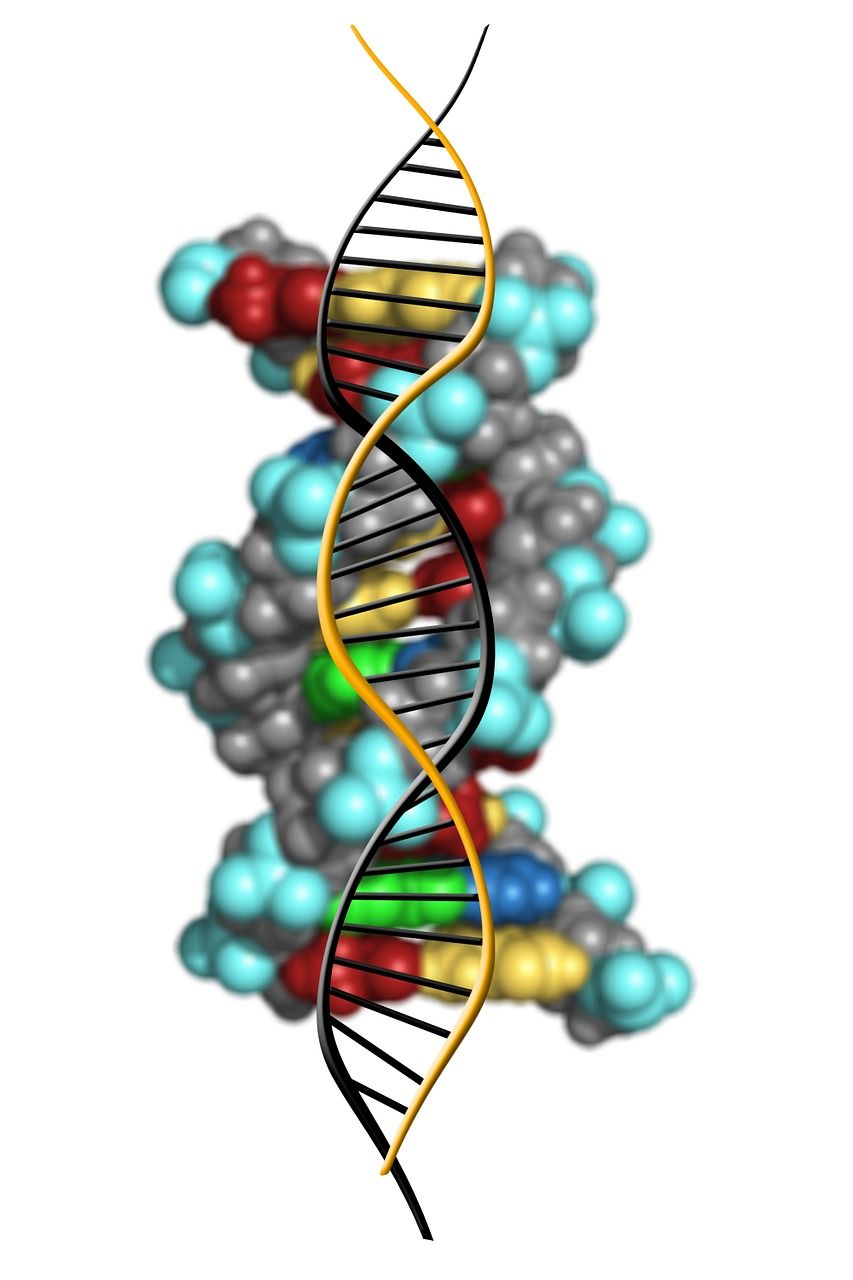
Polycystic Kidney Disease (ADPKD): Inheritance, Predicting How Fast It Progresses, the Science Behind Tolvaptan and 3 Litres of Water a Day, Family Screening, and Whether to Remove the Kidneys Before Transplant
ADPKD is the most common inherited kidney disease — about 1 in 1,000 people carry the gene and it accounts for 5–10% of the world's dialysis population.

Lupus and the Kidney: The Six Classes of Lupus Nephritis, the 2024 Treatment Shift (belimumab, voclosporin, obinutuzumab), and When Dialysis or Transplant Comes In
About 40–60% of people with systemic lupus erythematosus develop lupus nephritis, a leading cause of kidney failure in young women.
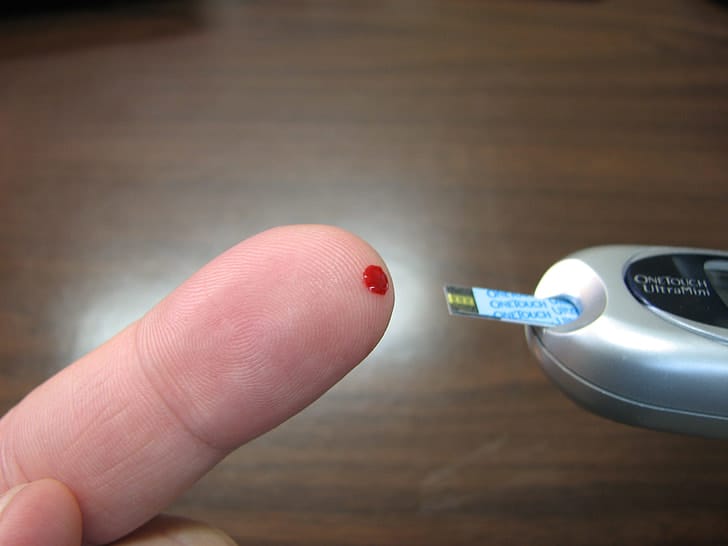
Diabetes and Kidney Disease: Why It Is the No. 1 Cause of Dialysis, How to Screen, and Which New Drugs Protect the Kidneys (2026 Guide)
Nearly half of new dialysis patients in Taiwan start because of diabetes. A plain-language guide to how high glucose damages the kidney, the two tests to do every year, glucose and…
Understand the related tests
Related global data
Chronische Nierenkrankheit · Globale KrankheitsstatistikGlobal burden and trends for this topic (with sources and years)Lived experience

After Rebirth: From Dialysis Patient to Health Educator — Choosing to Return to the Ward
Shock at birth led to chronic glomerulonephritis; dialysis began at 26; a kidney transplant came on Christmas Day at 32.
Why Did I End Up on Dialysis?
A difficult birth, shock and oxygen deprivation damaged both my kidneys. As a teenager I skipped my medication. At 26, a single glass of orange juice sent me straight to the emergency room.
