Glycemic Index Food Guide for Diabetic Kidney Patients: Full Low/Medium/High GI Table, Recommended and Not-Recommended Lists, and How to Balance Potassium, Phosphorus and Protein
Diabetes plus kidney disease is the hardest diet to manage: control glucose, limit potassium and phosphorus, and get protein just right. This guide lists the GI and glycemic load of 90+ everyday foods, flags which low-GI foods are also low in potassium and phosphorus (truly recommended), which are low-GI but high-potassium (handle with care), and which high-GI foods to avoid — plus pre- vs post-dialysis protein, safe hypoglycaemia treatment and a sample day.
Who this is for: people with diabetes and CKD stages 3–5, diabetic dialysis patients, and transplant recipients with post-transplant diabetes (PTDM). GI values come from the University of Sydney GI database and the 2021 International GI/GL Tables (Atkinson et al.); potassium and phosphorus from USDA FoodData Central. Individual glucose responses vary — check with your meter. This does not replace personalised advice from your dietitian.
1. Three terms to understand
| Term | Meaning | Reading |
|---|---|---|
| Glycemic index (GI) | How fast and how high glucose rises after 50 g of carbohydrate from a food, with glucose = 100 | Low ≤55, medium 56–69, high ≥70 |
| Glycemic load (GL) | GI × grams of carbohydrate per serving ÷ 100 — accounts for portion | Low ≤10, medium 11–19, high ≥20 |
| Net carbs | Total carbohydrate minus fibre | Fibre does not raise glucose |
Why GI matters for kidney patients
- Low-GI eating lowers HbA1c by about 0.3–0.5%, blunts post-meal spikes and improves triglycerides (Cochrane 2023, ADA 2025).
- Post-meal glucose spikes are linked to glomerular hyperfiltration, albuminuria and cardiovascular events.
- But GI looks only at carbohydrate — not potassium, phosphorus, protein or sodium. That is the trap: many "healthy low-GI foods" (whole grains, legumes, nuts, sweet potato, banana) are high in potassium or phosphorus. Every item below is therefore tagged for both.
2. What changes a food's GI (use these and you are halfway there)
- More processing = higher GI: white rice > brown rice; juice > whole fruit; mashed potato > boiled whole.
- Longer cooking = higher GI: rice porridge/congee (
80–90) far exceeds steamed rice (70); pasta al dente is lower. - Cooling creates resistant starch: day-old rice or cooled potatoes drop GI by 10–20%.
- Protein, fat, vinegar and fibre eaten together lower the GI of the whole meal.
- Eating order: vegetables and protein first, starch last, cuts the post-meal peak by 20–30%.
- Ripeness: riper bananas and mangoes have higher GI.
3. Complete table (GI / potassium / phosphorus per serving)
Tags: 🟢 low (K <150 mg, P <100 mg per serving), 🟡 medium (K 150–250, P 100–180), 🔴 high (K >250 or P >180).
A. Staples (grains, roots)
| Food | GI | Serving | K | P | Kidney verdict |
|---|---|---|---|---|---|
| White rice (short/medium grain) | 73 | 1 bowl 160 g | 🟢 50 | 🟢 60 | High GI but the lowest K/P staple; small portion, with protein and vegetables, slightly cooled is the most practical choice |
| Rice congee | 88 | 1 bowl | 🟢 | 🟢 | Not recommended: fastest glucose rise, least filling |
| Glutinous rice, rice cakes, zongzi | 87–98 | 1 piece | 🟢 | 🟡 | Not recommended: among the highest GI |
| Brown rice | 68 | 1 bowl | 🟡 150 | 🔴 200 | Lower GI but high P/K; on dialysis limit to half a bowl 2–3×/week |
| Multigrain rice | 55–65 | 1 bowl | 🔴 | 🔴 | As above, even more phosphorus |
| Rolled oats (traditional) | 55 | 40 g dry | 🟡 150 | 🔴 170 | Low GI but high P; instant oats GI 79 not recommended |
| Soba (100% buckwheat) | 46–54 | 1 serving | 🟡 | 🔴 | Low GI, medium K, high P; occasionally |
| Wheat noodles, udon | 55–62 | 1 serving | 🟢 | 🟢 | Recommended: medium-low GI, low K/P; cook firm |
| Pasta (al dente) | 45–50 | 1 serving | 🟢 | 🟡 | Recommended: low GI, low K |
| Glass noodles (mung bean) | 39 | 1 serving | 🟢 | 🟢 | Recommended: one of the lowest-GI staples |
| Rice vermicelli | 58–61 | 1 serving | 🟢 | 🟢 | Acceptable |
| White bread | 75 | 1 slice | 🟢 | 🟢 | High GI; if eaten, pair with egg or meat |
| Wholemeal bread | 69–74 | 1 slice | 🟡 | 🟡 | "Wholemeal" GI is not actually low and P is higher — limited advantage |
| Rye sourdough | 48–55 | 1 slice | 🟡 | 🟡 | Recommended: fermentation lowers GI |
| Steamed bun (mantou) | 80+ | 1 | 🟢 | 🟢 | Not recommended |
| Potato (boiled, hot) | 78–82 | 1 × 150 g | 🔴 600 | 🟡 | Not recommended: high GI and high K; slicing, soaking and boiling removes 30–50% K; cooling lowers GI |
| Sweet potato (steamed) | 63–70 | 1 × 130 g | 🔴 450 | 🟡 | High K; less glucose-friendly than its reputation; caution on dialysis |
| Taro | 53 | 100 g | 🔴 500 | 🟡 | Low GI but very high K; not recommended on dialysis |
| Yam (Chinese) | 51–54 | 100 g | 🔴 | 🟡 | As above |
| Pumpkin | 64–75 | 100 g | 🔴 340 | 🟡 | High GI and K; small amounts |
| Sweet corn | 52 | half cob | 🟡 | 🟡 | Acceptable — count as a staple, not a vegetable |
| Lotus root | 33 | 100 g | 🔴 | 🟡 | Low GI but high K |
B. Legumes and protein foods
| Food | GI | Serving | K | P | Kidney verdict |
|---|---|---|---|---|---|
| Egg | 0 | 1 | 🟢 70 | 🟡 95 | Recommended: high-quality protein, controllable P |
| Chicken breast, fish, pork loin | 0 | palm-size 100 g | 🔴 300–400 | 🔴 200 | Essential protein; 1.0–1.2 g/kg/day on dialysis, 0.6–0.8 g/kg in CKD 3–4; "organic" phosphorus in meat is only 40–60% absorbed — far better than additive phosphate |
| Firm tofu | 15 | 150 g | 🟡 180 | 🟡 150 | Recommended: low GI, plant protein, poorly absorbed P |
| Unsweetened soy milk | 30 | 240 mL | 🟡 280 | 🟡 120 | Acceptable; watch K; 1 cup/day |
| Soybeans, black beans (cooked) | 15–20 | half cup | 🔴 450 | 🔴 220 | Low GI but high K/P; small amounts on dialysis |
| Adzuki, mung beans (unsweetened) | 25–35 | half cup | 🔴 300+ | 🔴 | As above; sweetened bean soups are higher GI |
| Chickpeas, lentils | 28–36 | half cup | 🔴 | 🔴 | As above |
| Edamame | 18 | half cup | 🔴 450 | 🟡 | Very high K; occasional small portion |
| Nuts (almonds, walnuts) | 0–15 | 10 nuts | 🟡 | 🔴 | Low GI, good fats, but high P; ≤10/day |
| Milk (whole/low-fat) | 30–40 | 240 mL | 🔴 350 | 🔴 230 | Low GI but high K and P; ≤half cup/day on dialysis |
| Plain yoghurt | 35 | 150 g | 🟡 | 🟡 | Somewhat better than milk; still measure |
| Cheese | 0 | 1 slice | 🟢 | 🔴 | High P (processed slices contain phosphate additives) |
C. Fruit
| Food | GI | Serving | K | P | Kidney verdict |
|---|---|---|---|---|---|
| Apple | 36–40 | 1 small | 🟡 150 | 🟢 | Recommended |
| Guava | 31–38 | half | 🟡 230 | 🟢 | Recommended: low GI; half a fruit is enough |
| Pear | 38 | 1 small | 🟡 | 🟢 | Recommended |
| Strawberries, blueberries | 40–53 | 10 | 🟢 | 🟢 | Recommended |
| Orange | 43 | 1 | 🟡 230 | 🟢 | Acceptable; orange juice has 450 mg K/cup and GI 50+ — not recommended |
| Grapefruit | 25 | half | 🟡 | 🟢 | Very low GI but forbidden after transplant (interacts with tacrolimus/ciclosporin) |
| Kiwi | 50–58 | 1 | 🟡 230 | 🟢 | Medium GI, medium K |
| Peach, plum | 28–42 | 1 | 🟡 | 🟢 | Acceptable |
| Cherries | 22 | 10 | 🟡 | 🟢 | Acceptable |
| Papaya | 56–60 | half cup | 🟡 | 🟢 | Medium GI, acceptable |
| Pineapple | 59–66 | half cup | 🟢 110 | 🟢 | Medium GI but low K — a good fruit on dialysis |
| Banana (yellow) | 51–62 | 1 | 🔴 420 | 🟢 | Medium GI but high K; not recommended on dialysis; also not ideal for hypos (slow) |
| Mango | 51–60 | half | 🟡 | 🟢 | Medium GI; keep portions small |
| Lychee, longan | 57–79 | 10 | 🟡 | 🟢 | Sugary, higher GI; small amounts |
| Watermelon | 72–80 | 1 cup | 🟡 | 🟢 | High GI but low GL (mostly water); one cup is fine |
| Cantaloupe/rock melon | 65–70 | 1 cup | 🔴 | 🟢 | High GI and K; not recommended |
| Custard apple, durian | 54–60 | small | 🔴 | 🟡 | High sugar and K; not recommended |
| Raisins, dates, dried fruit | 64–103 | 30 g | 🔴 | 🟡 | Not recommended: concentrated sugar and K |
| All fruit juices | 45–70 | 1 cup | 🔴 | 🟢 | Not recommended: no fibre, concentrated K |
D. Vegetables
| Food | GI | Serving | K | P | Kidney verdict |
|---|---|---|---|---|---|
| Leafy greens (cabbage, bok choy, lettuce) | <15 | 1 cup cooked | 🟡 | 🟢 | Recommended: blanch 3 min and discard water to remove 30–40% K |
| Cauliflower, broccoli | 15 | 1 cup | 🟡 | 🟢 | Recommended (blanched) |
| Cucumber, zucchini | 15 | 1 cup | 🟢 | 🟢 | Recommended: among the lowest-K vegetables |
| Bell peppers | 15 | 1 cup | 🟡 | 🟢 | Recommended |
| Onion | 10–15 | half cup | 🟢 | 🟢 | Recommended |
| Eggplant | 15 | 1 cup | 🟡 | 🟢 | Acceptable |
| Tomato | 15–38 | 1 | 🟡 240 | 🟢 | Acceptable; paste and sauce concentrate K |
| Carrot (cooked) | 39–49 | half cup | 🟡 | 🟢 | Acceptable (the old "high GI" figure is outdated) |
| Mushrooms | <15 | 1 cup | 🟡 | 🟡 | Acceptable; slightly higher P |
| Spinach, amaranth, water spinach | <15 | 1 cup cooked | 🔴 500+ | 🟢 | Low GI but very high K; must blanch and limit on dialysis |
| Bamboo shoots | <15 | 1 cup | 🔴 | 🟢 | High K |
| Kelp, seaweed | <15 | small | 🔴 | 🟡 | Very high K; tiny amounts |
| Burdock | 45 | half cup | 🔴 | 🟢 | High K |
E. Snacks, drinks, sweeteners
| Food | GI | Kidney verdict |
|---|---|---|
| Sugary drinks, bubble tea | 60–80 | Not recommended: sugar, phosphoric acid (cola), tapioca pearls |
| Unsweetened tea, black coffee | 0 | Recommended; coffee ≤2 cups/day (115 mg K per cup) |
| Crackers, rice crackers | 70–90 | Not recommended: high GI, sodium, phosphate |
| Cake, doughnuts, pastries | 60–76 | Not recommended |
| Dark chocolate ≥70% | 23 | Small amount (10 g); medium K/P |
| Potato chips | 55–60 | High K and sodium, not recommended |
| Honey | 58–61 | Sugar is sugar |
| Sweeteners (erythritol, monk fruit, stevia, aspartame, sucralose) | 0 | Fine; sugar alcohols cause diarrhoea in excess; do not harm kidneys (common myth) |
| Maltodextrin (in many "sugar-free" products) | 85–105 | Higher GI than glucose — read labels |
| "Sugar-free"/"low-sugar" baked goods | often >60 | Sugar-free ≠ carb-free; starch still raises glucose |
4. At a glance: truly recommended vs. truly avoid
✅ Truly recommended — low GI AND low K/P
Glass noodles, pasta (al dente), udon, rye sourdough, firm tofu, eggs, apple, guava (half), pear, berries, pineapple, cherries, cucumber, bell pepper, onion, blanched cabbage, cauliflower, unsweetened tea and coffee, non-nutritive sweeteners.
⚠️ Low GI but high K or P — allowed, measured
Brown rice, oats, legumes, nuts, milk, yoghurt, sweet potato, taro, yam, lotus root, spinach, tomato, orange, kiwi, soy milk, dark chocolate.
❌ Avoid — high GI, or high GI + high K + high P
Congee, glutinous rice products, steamed buns, white bread, instant oats, mashed potato, pumpkin, cantaloupe, banana, dried fruit, all juices, sugary drinks, pastries, rice crackers, chips, cola (phosphoric acid), processed meats (phosphate additives).
5. Special rules for diabetic kidney patients
1. Protein — opposite directions before and after dialysis
- CKD 3–4 (pre-dialysis): 0.6–0.8 g/kg/day, favouring high-biological-value protein (egg, fish, lean meat, tofu). Low protein but not low calorie — energy deficit breaks down muscle.
- Dialysis: 1.0–1.2 g/kg/day because amino acids are lost in dialysate. Diabetic dialysis patients are at particularly high risk of malnutrition.
- When carbohydrate is cut, replace the energy with healthy fats (olive oil, a little avocado, canola), not unlimited protein.
2. Treating hypoglycaemia — not juice, not banana
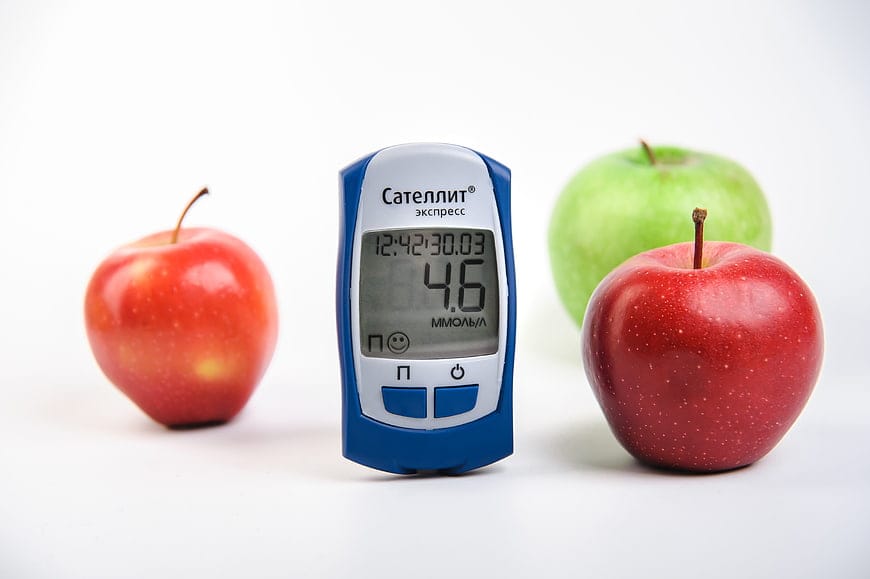
- Take 15 g fast sugar: 3–4 glucose tablets, 3 sugar cubes, 1 tablespoon honey, or 150 mL regular cola (occasionally).
- Re-test after 15 minutes; repeat if still <70 mg/dL (3.9 mmol/L).
- Avoid orange juice and banana (high K) and chocolate (fat slows absorption).
- Hypos are commonest on dialysis days; a small complex-carb snack (half slice of bread with egg) before the session helps.
3. Peritoneal dialysis
- Dialysate glucose adds 100–200 kcal/day (25–50 g of sugar); reduce dietary carbohydrate accordingly and ask about icodextrin.
4. Transplant recipients
- No grapefruit, pomelo or starfruit; starfruit is neurotoxic for all kidney patients.
- Steroids push post-lunch and afternoon glucose highest; many patients front-load carbohydrate at breakfast and cut starch at lunch and dinner.
- Potassium and phosphorus limits usually relax after transplant — whole grains and legumes can return gradually, guided by blood tests.
5. Sodium
- <2,000 mg/day (5 g salt). Salt → thirst → fluid → interdialytic weight gain. Many "low-GI" packaged foods (whole-grain crackers, cereal bars) are high in sodium and phosphate.
6. Phosphate additives
- Ingredients such as "phosphoric acid", "sodium pyrophosphate", "polyphosphate", "E338–E452" are 90–100% absorbed — far more harmful than natural phosphorus. Found in cola, processed meat, cheese slices, frozen ready meals and instant noodles.
6. Sample day (on dialysis, 60 kg, ~150–180 g carbohydrate)
| Meal | Food | Notes |
|---|---|---|
| Breakfast | 1 slice rye sourdough + 2 scrambled eggs + cucumber slices + black coffee | ~20 g carb, 14 g protein, low K |
| Lunch | 2/3 bowl white rice (cooled 10 min) + 100 g steamed fish + 1 cup blanched cabbage (water discarded) + stir-fried peppers and onion | Vegetables and fish first, rice last |
| Snack | Half a guava or 1 small apple | GI <40 |
| Dinner | 80 g (dry) pasta al dente + 100 g chicken breast in olive oil and garlic + zucchini | Low GI, low K |
| Evening (if needed) | 100 g cold tofu or half cup plain yoghurt | Protein-led |
Approximate totals: carbohydrate 160 g, protein 70 g (1.15 g/kg), potassium ~1,900 mg, phosphorus ~900 mg (taken with phosphate binders). Adjust with your dietitian according to your blood results.
7. Common myths
- "Sweet potato is healthier than white rice" — true for diabetes alone; on dialysis, sweet potato has 9× the potassium of white rice for only a slightly lower GI.
- "Wholemeal bread is low GI" — commercial wholemeal has GI 69–74, barely below white; only dense rye sourdough and whole-kernel breads are genuinely low.
- "Fruit sugar is natural, so it's fine" — fructose raises glucose slowly but raises triglycerides; cap fruit at 2 fist-sized portions a day, and juice does not count as fruit.
- "Sweeteners damage the kidneys" — no evidence of nephrotoxicity for approved sweeteners; a 2023 observational link between erythritol and cardiovascular events remains unconfirmed — moderation is enough.
- "Diabetics can't eat rice" — white rice is one of the safest staples for kidney patients because of its low K/P; the issue is portion and pairing, not the rice itself.
Sources
- Atkinson FS, Brand-Miller JC, et al. International tables of glycemic index and glycemic load values 2021. Am J Clin Nutr 2021;114:1625–1632.
- The University of Sydney. GI Database. https://glycemicindex.com/
- American Diabetes Association. Standards of Care in Diabetes—2025, Section 5 (Nutrition). Diabetes Care 2025;48(Suppl 1).
- KDIGO. 2022 Clinical Practice Guideline for Diabetes Management in CKD — nutrition section. Kidney Int 2022;102(5S).
- Ikizler TA, et al. KDOQI Clinical Practice Guideline for Nutrition in CKD: 2020 Update. Am J Kidney Dis 2020;76(3 Suppl 1):S1–S107.
- Chiavaroli L, et al. Effect of low glycaemic index or load dietary patterns on glycaemic control in diabetes. BMJ 2021;374:n1651.
- USDA. FoodData Central. https://fdc.nal.usda.gov/
- National Kidney Foundation. Diabetes and Kidney Disease: What to Eat? https://www.kidney.org/atoz/content/Diabetes-and-Kidney-Disease-What-to-Eat
Related Reading

Dining Out and Travel Food Guide: How to Look Up Ingredients, Ask Restaurants and Order — Dialysis and Transplant Patients Addressed Separately
More than "what not to eat": nutrient databases by country (USDA, Open Food Facts, Taiwan/Japan/Korea), a hazards-and-safe-picks table for seven cuisines, trilingual restaurant phrase cards, dialysis-day planning, and food safety and grapefruit-family identification for transplant recipients. Dialysis and transplant populations are kept separate throughout.
The Kidney-Friendly Kitchen: Low-Potassium, Low-Phosphorus, Low-Sodium in Real Life
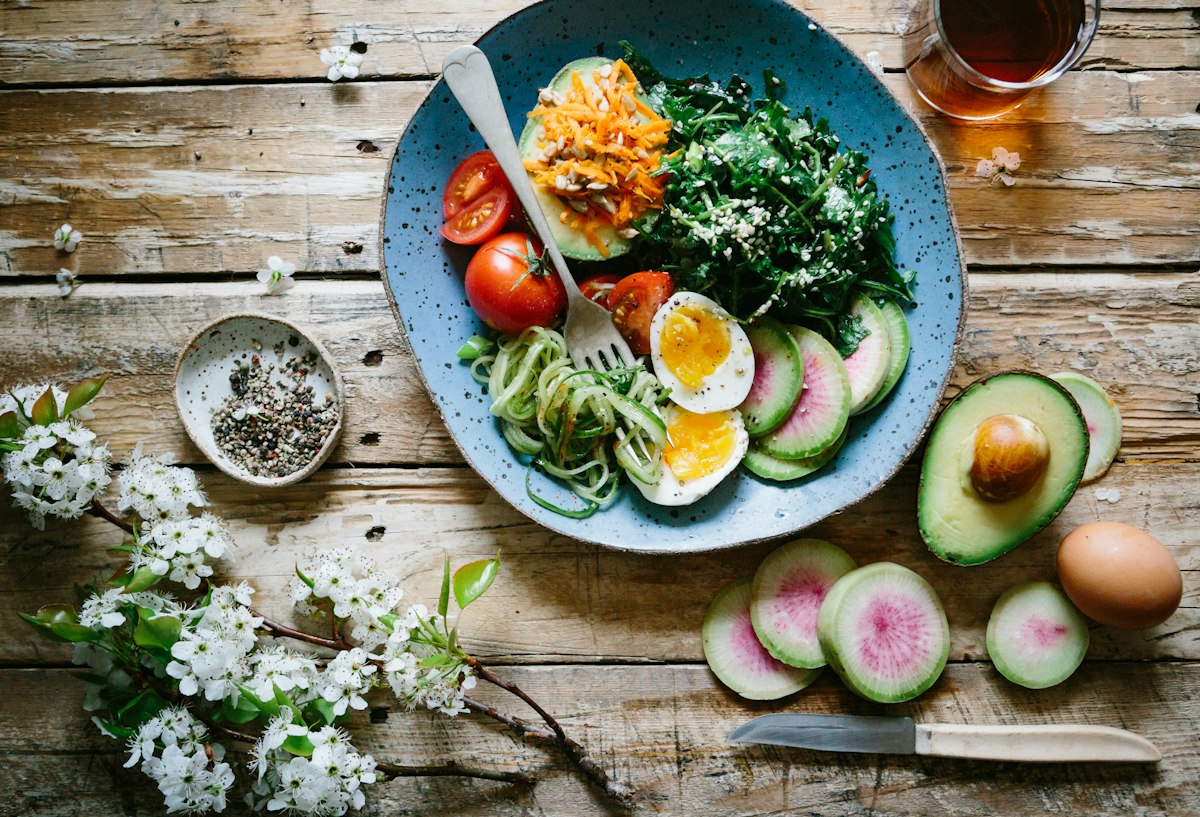
What does 'restrict potassium and phosphorus' actually look like on a plate? Here are the ingredient swaps, leaching techniques and eating-out survival tips I use every single day.