Type 2 Diabetes Guide: Why HbA1c Targets Differ by Person, Choosing Medication in 2025, the Kidney Tests You Need Every Year, and Handling Hypoglycaemia
About 590 million adults have diabetes, and roughly 40% will develop diabetic kidney disease — the leading cause of dialysis worldwide. Based on ADA 2025 and KDIGO 2022: diagnostic criteria, individualised HbA1c targets, organ-protective drug choice (SGLT2i, GLP-1 RA, finerenone), the yearly eGFR and UACR checks, and dose adjustments as kidney function falls.
Sommaire
- How common is diabetes, and why the kidney matters
- Diagnostic criteria
- HbA1c targets: why not 7% for everyone
- Medication in 2025: first ask "which organ needs protecting?"
- Yearly checks: more than glucose
- Hypoglycaemia: symptoms, treatment, prevention
- Notes for kidney patients and transplant recipients
- When to seek care
- Questions to ask your doctor
- References
How common is diabetes, and why the kidney matters
The International Diabetes Federation estimated in 2025 that about 589 million adults (11.1%, one in nine) have diabetes, 4 in 10 undiagnosed, rising to 853 million by 2050 [1]. Over 90% is type 2.
About 30–40% of people with diabetes develop diabetic kidney disease (DKD), the leading cause of dialysis worldwide (in Taiwan, 45–50% of new dialysis starts are due to diabetes) [2][3]. The good news: the past decade brought drugs that protect kidney and heart together, and DKD progression can now be markedly slowed [2][3].
Diagnostic criteria
Any one of the following (repeat on another day if no classic symptoms) [2]:
| Test | Diabetes | Prediabetes |
|---|---|---|
| HbA1c | ≥6.5% | 5.7–6.4% |
| Fasting glucose | ≥126 mg/dL (7.0 mmol/L) | 100–125 |
| 2-h OGTT | ≥200 mg/dL | 140–199 |
| Random glucose with classic symptoms | ≥200 mg/dL | — |
HbA1c can be unreliable in anaemia, haemoglobin variants, CKD stage 4–5 and dialysis (altered red-cell lifespan, ESA therapy); use glucose monitoring or CGM instead [2][3].
HbA1c targets: why not 7% for everyone
ADA 2025 is built on individualisation [2]:
| Group | HbA1c target |
|---|---|
| Most non-pregnant adults | <7.0% (mean glucose ≈154 mg/dL) |
| Young, short duration, no CVD, low hypoglycaemia risk | Stricter, <6.5% |
| Older, multimorbid, limited life expectancy, severe hypoglycaemia history, advanced CKD/dialysis | Relaxed to <8.0% (KDIGO: individualise between <6.5% and <8.0% in CKD) [3] |
Why relax? ACCORD showed that very tight control (target <6.0%) in high-cardiovascular-risk patients increased mortality, largely through severe hypoglycaemia [4]. The immediate harm of hypoglycaemia to heart and brain outweighs a few months of slightly higher glucose.
Beyond HbA1c, CGM time in range >70% (70–180 mg/dL) and time below range <4% are increasingly important [2].
Medication in 2025: first ask "which organ needs protecting?"
ADA 2025 no longer insists on "metformin first". The first question is: is there cardiovascular disease, heart failure, CKD or obesity? [2]
| Situation | Preferred (regardless of HbA1c) | Evidence |
|---|---|---|
| CKD (eGFR ≥20 or UACR ≥200) | SGLT2 inhibitor (empagliflozin, dapagliflozin, canagliflozin) | CREDENCE: kidney failure or death −30%; DAPA-CKD and EMPA-KIDNEY confirmed benefit with or without diabetes [5] |
| CKD, SGLT2i insufficient or not tolerated | GLP-1 receptor agonist (semaglutide) | FLOW: major kidney events −24% [6] |
| CKD with albuminuria on RAS blockade | Add finerenone (non-steroidal MRA) | FIDELIO-DKD: kidney events −18%; monitor potassium [7] |
| Atherosclerotic CVD | GLP-1 RA or SGLT2i | CV events −12–14% |
| Heart failure | SGLT2i | HF hospitalisation −30% |
| Obesity / weight loss needed | GLP-1 RA (semaglutide), dual agonist (tirzepatide) | 15–20% weight loss |
| None of the above | metformin, or any agent by cost and preference | — |
Metformin remains cheap and effective, but do not start at eGFR <45 and stop at <30 (lactic acidosis); halve the dose at eGFR 30–45 [2][3].
SGLT2 inhibitor cautions: eGFR dips 3–5 mL/min after starting (a protective haemodynamic effect — don't stop); genital fungal infections are more common; pause during acute illness, fasting or for 3 days before surgery (ketoacidosis risk) [2][3].
Yearly checks: more than glucose
ADA and KDIGO recommend that everyone with type 2 diabetes have annually from diagnosis [2][3]:
- eGFR (blood creatinine)
- UACR (urine albumin-to-creatinine ratio, spot urine) — the most frequently omitted test, yet it detects kidney disease earlier than eGFR. UACR ≥30 mg/g is albuminuria.
- Retinal examination
- Foot examination (neuropathy, circulation, ulcers)
- Lipids and blood pressure
If UACR ≥30 or eGFR <60, monitor 1–4 times a year and start an ACEi/ARB (even with normal BP) plus an SGLT2i [3]. This site's eGFR calculator and UACR reader help you interpret the report.
Hypoglycaemia: symptoms, treatment, prevention
Symptoms: cold sweat, trembling, palpitations, hunger, dizziness, blurred vision, slurred speech, confusion; seizures or coma if severe. People with long-standing diabetes or CKD may have no warning symptoms (hypoglycaemia unawareness) [2].
The 15–15 rule: glucose <70 mg/dL → take 15 g of fast-acting carbohydrate (3–4 glucose tablets, half a cup of juice, a tablespoon of sugar) → recheck after 15 minutes → repeat if still <70. Once recovered, if the next meal is >1 hour away, have a snack with protein and carbohydrate [2].
Kidney patients are especially prone: the kidney clears insulin and several glucose-lowering drugs (sulfonylureas, some DPP-4 inhibitors), so effects last longer as eGFR falls, and renal gluconeogenesis declines. At eGFR <30, glibenclamide (glyburide) is contraindicated and glimepiride/glipizide need dose reduction; insulin requirements often fall by 20–30% [3].
Severe hypoglycaemia (unconscious) requires glucagon (a nasal spray is available) from a bystander and an emergency call.
Notes for kidney patients and transplant recipients
- Dialysis: HbA1c is unreliable — CGM is preferred; glucose swings on dialysis days; many oral agents are contraindicated (metformin; limited SGLT2i evidence below eGFR 20); insulin and DPP-4 inhibitors (linagliptin needs no adjustment) are the main options [3].
- Post-transplant diabetes (PTDM): triggered by tacrolimus and steroids in about 10–30% of recipients; managed like type 2, but SGLT2i evidence in transplantation is thinner and urinary infection risk must be weighed; GLP-1 RAs may alter tacrolimus absorption (delayed gastric emptying), so monitor levels [3].
- Pause metformin around contrast studies (see this site's contrast article).
When to seek care
Urgently: glucose >300–400 mg/dL with nausea, vomiting, abdominal pain, deep rapid breathing, extreme thirst or altered consciousness (ketoacidosis or hyperosmolar state); hypoglycaemia with unconsciousness or seizure; a foot wound that turns black, smells, or has spreading redness.
Same day: glucose >250 for 2 consecutive days during infection or illness; recurrent hypoglycaemia <70 more than twice a week.
Questions to ask your doctor
- What is my HbA1c target, and why?
- Have I had a UACR test? When was the last one?
- With my kidney function, can I take an SGLT2 inhibitor? Finerenone?
- Which of my medicines need reducing or stopping as kidney function falls?
- Do I need CGM? What should I do and keep at hand for hypoglycaemia?
References
- International Diabetes Federation. IDF Diabetes Atlas, 11th edition. 2025. https://diabetesatlas.org/
- American Diabetes Association. Standards of Care in Diabetes—2025. Diabetes Care. 2025;48(Suppl 1):S1–S352. https://doi.org/10.2337/dc25-SINT
- KDIGO 2022 Clinical Practice Guideline for Diabetes Management in CKD. Kidney Int. 2022;102(5S):S1–S127. https://doi.org/10.1016/j.kint.2022.06.008
- ACCORD Study Group. Effects of intensive glucose lowering in type 2 diabetes. N Engl J Med. 2008;358(24):2545–2559. https://doi.org/10.1056/NEJMoa0802743
- Perkovic V, et al. CREDENCE. N Engl J Med. 2019;380(24):2295–2306. https://doi.org/10.1056/NEJMoa1811744
- Perkovic V, et al. FLOW. N Engl J Med. 2024;391(2):109–121. https://doi.org/10.1056/NEJMoa2403347
- Bakris GL, et al. FIDELIO-DKD. N Engl J Med. 2020;383(23):2219–2229. https://doi.org/10.1056/NEJMoa2025845
This article compiles publicly available medical information for educational purposes only. It is not medical advice and has not been reviewed by a practising physician. For any health or medication question, consult a qualified professional. For chest pain, sudden breathlessness, one-sided weakness or slurred speech, call your local emergency number or go to the emergency department immediately.
Historique des mises à jour
- 初版:依 ADA Standards of Care 2025、KDIGO 2022 糖尿病合併 CKD 指引、IDF Atlas 2025 及 CREDENCE、FLOW、FIDELIO 試驗整理。
Where to go next
Related knowledge

Factors influencing remission of type 2 diabetes: Key points from a systematic review and meta-analysis (based on abstract)
This systematic review and meta-analysis summarizes 36 studies reporting factors associated with the probability of remission of type 2 diabetes (T2DM), noting that the direction of the BMI…
查核:「牙周病只是牙齦問題,跟糖尿病、心臟或腎臟無關」是真的嗎?
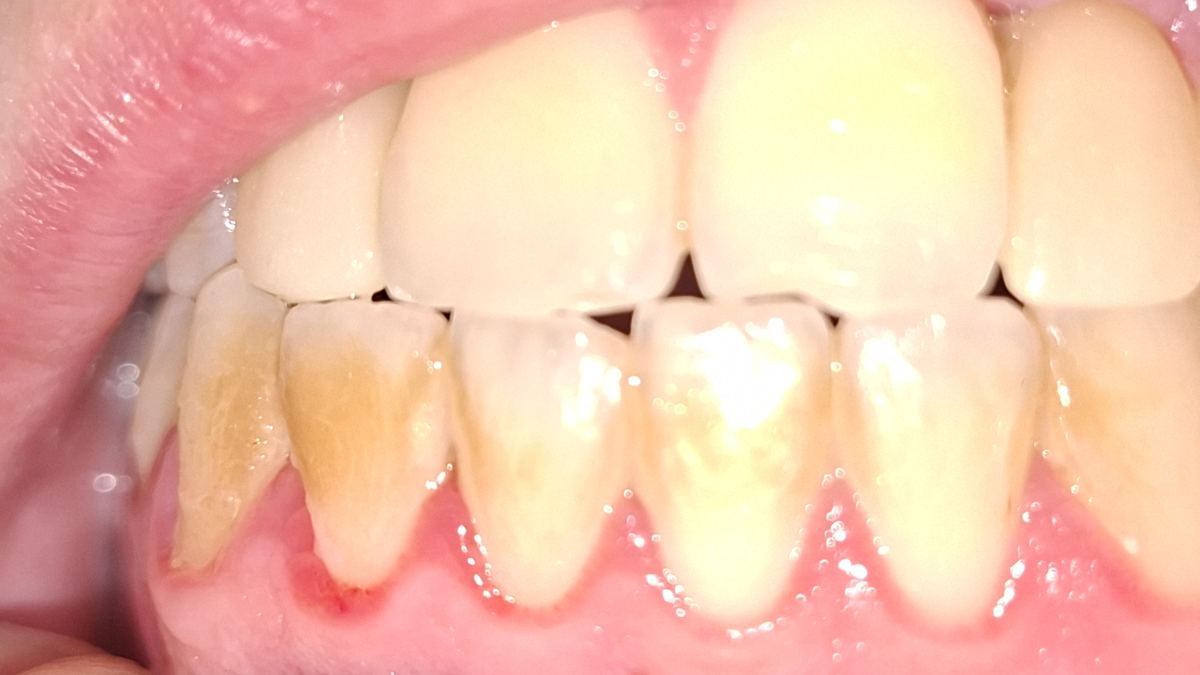
結論:不成立。依現有高品質證據,牙周病與糖尿病之間有雙向關聯,也與心血管疾病有穩定關聯訊號[1][2][3],已經不是單純的「牙齦局部問題」。對腎臟的直接關係,目前證據有限,只能說推論上可能相關但尚未證實。
查核:「打胰島素是最後一步,打了就一輩子、還會害人洗腎」是真的嗎?
結論:不成立。胰島素不是只能當「最後手段」,有時一開始就建議使用,也不一定「打了就一輩子」。現有臨床試驗顯示,較佳的血糖控制(其中許多病人使用胰島素)與減少微血管併發症有關,沒有證據顯示胰島素本身會「害人洗腎」。
Understand the related tests
Related global data
Diabète et métabolisme · Statistiques mondialesGlobal burden and trends for this topic (with sources and years)Lived experience

After Rebirth: From Dialysis Patient to Health Educator — Choosing to Return to the Ward
Shock at birth led to chronic glomerulonephritis; dialysis began at 26; a kidney transplant came on Christmas Day at 32.

Why Did I End Up on Dialysis?
A difficult birth, shock and oxygen deprivation damaged both my kidneys. As a teenager I skipped my medication. At 26, a single glass of orange juice sent me straight to the emergency room.
