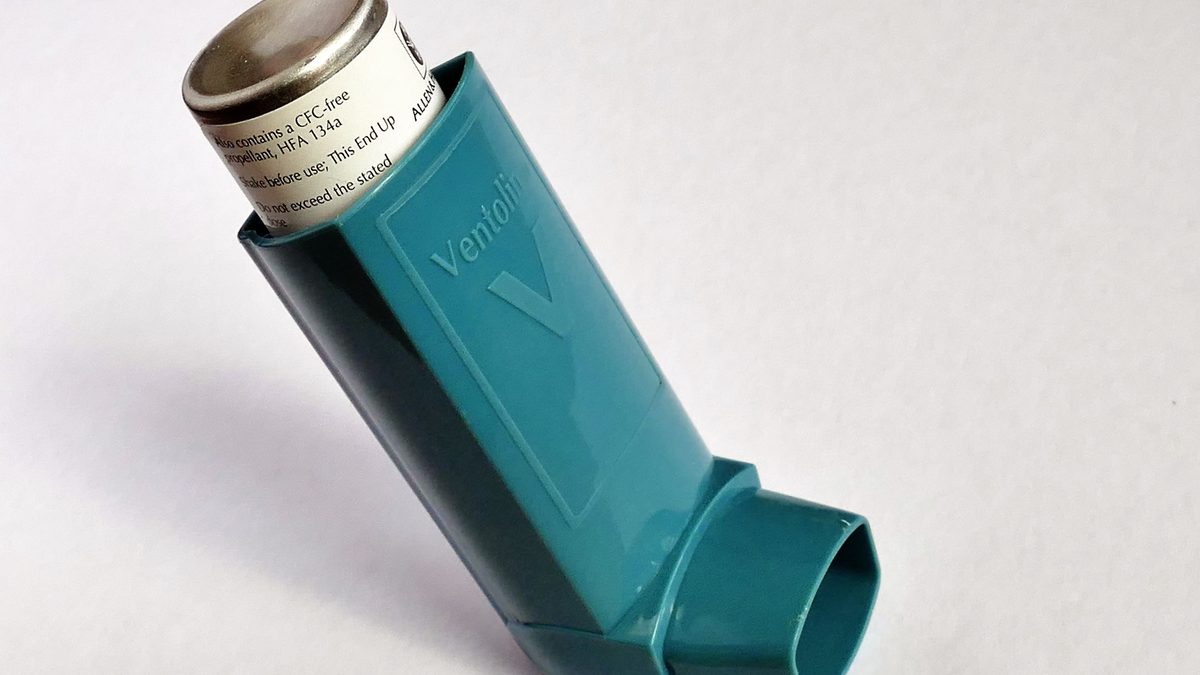
COPD is the world's 3rd–4th leading cause of death; asthma affects about 260 million people. They are often confused but treated differently. Based on GOLD 2025 and GINA 2024: the differences, how to read FEV₁/FVC, inhaler types and correct technique, the evidence for smoking cessation and vaccines, and what to do when symptoms flare.
목차
- How COPD and asthma differ
- Reading your lung-function report
- Inhalers: the classes, and why they "don't work"
- Non-drug treatment: some things beat medication
- Flare-ups: the action plan
- Medication notes for kidney patients and transplant recipients
- When to seek care immediately
- Questions to ask your doctor
- References
How COPD and asthma differ
Both are chronic airway diseases causing breathlessness, cough, sputum and wheeze, but they are fundamentally different [1][2]:
| COPD | Asthma | |
|---|---|---|
| Main cause | Long-term inhalation of noxious particles (tobacco in most; biomass fuel, occupational dust, air pollution) | Chronic airway inflammation and hyper-responsiveness; atopy common |
| Age of onset | Usually after 40 | Any age, often from childhood |
| Pattern | Persistent and progressive; morning sputum | Variable, worse at night/early morning, clear triggers |
| Airflow limitation | Not fully reversible after bronchodilator (FEV₁/FVC <0.70) | Usually reversible (FEV₁ rises >12% and >200 mL) |
| Global burden | ≈390 million in 2021; 3rd–4th leading cause of death [1][3] | ≈260 million [2] |
Some people have both (formerly "ACO"); treatment then follows asthma principles and must include an inhaled corticosteroid [1][2].
Reading your lung-function report
Spirometry is required for diagnosis [1][2]:
- FVC (forced vital capacity): total air exhaled after a full breath in.
- FEV₁: the amount exhaled in the first second.
- FEV₁/FVC: post-bronchodilator <0.70 = airflow obstruction (the COPD criterion; the fixed ratio can over-diagnose in older people, a limitation GOLD acknowledges).
- FEV₁ % predicted: grades COPD severity — GOLD 1 ≥80%, GOLD 2 50–79%, GOLD 3 30–49%, GOLD 4 <30% [1].
COPD treatment is not chosen on FEV₁ alone: GOLD 2025 uses symptoms (mMRC or CAT questionnaire) plus exacerbations in the past year to assign groups A, B and E [1].
For kidney patients: uraemia and fluid overload also cause breathlessness; in dialysis, breathlessness is not necessarily pulmonary. Perform spirometry at dry weight.
Inhalers: the classes, and why they "don't work"
Drug classes
| Class | Examples | Role |
|---|---|---|
| SABA (short-acting β₂-agonist) | salbutamol | Reliever |
| LABA (long-acting β₂) | formoterol, salmeterol, indacaterol | Maintenance |
| LAMA (long-acting antimuscarinic) | tiotropium, glycopyrronium | Maintenance (core of COPD therapy) |
| ICS (inhaled corticosteroid) | budesonide, fluticasone | Core of asthma therapy; in COPD only with high eosinophils or frequent exacerbations |
| Combinations | ICS/LABA, LABA/LAMA, triple ICS/LABA/LAMA | By group |
The big change in asthma (GINA since 2019): SABA-only treatment is no longer recommended — it increases severe exacerbations and death. Even in mild asthma, GINA's preferred option is as-needed ICS-formoterol (relieves and treats inflammation) [2].
COPD [1]: group A a single bronchodilator; groups B and E LABA+LAMA; add ICS (triple therapy) in group E if blood eosinophils ≥300 cells/µL. ICS increases pneumonia risk in COPD and is not for everyone.
Why inhalers "don't work"
Studies show 70–90% of patients make inhaler errors [2]. Common ones:
- Metered-dose inhaler (MDI): actuation not coordinated with inhalation; inhaling too fast; not holding the breath 5–10 s. A spacer greatly improves delivery.
- Dry-powder inhaler (DPI): inhaling too weakly or shallowly; exhaling into the device (moisture).
- Not rinsing the mouth after ICS → oral thrush, hoarse voice.
- Stopping maintenance therapy once symptoms settle.
Ask your clinician to watch you use the inhaler at every visit.
Non-drug treatment: some things beat medication
- Smoking cessation: the only intervention that slows the decline in lung function in COPD; beneficial at any age [1]. Pharmacotherapy (varenicline, nicotine replacement, bupropion) plus counselling doubles success.
- Pulmonary rehabilitation: exercise training plus education improves breathlessness, exercise capacity and quality of life and reduces readmission after exacerbations; GOLD's highest grade of evidence [1][5].
- Vaccines: influenza (yearly), pneumococcal (PCV20 or PCV15+PPSV23), COVID-19, RSV (≥60), Tdap, zoster [1].
- Avoid triggers: air pollution (limit outdoor activity and wear a mask on high-PM2.5 days), allergens, occupational exposures.
- Oxygen: long-term oxygen prolongs life only in COPD with severe resting hypoxaemia (PaO₂ ≤55 mmHg); there is no survival benefit in mild–moderate hypoxaemia [1].
Flare-ups: the action plan
Definition of an exacerbation: symptoms (breathlessness, cough, sputum volume or colour) clearly beyond day-to-day variation within 14 days [1].
Asthma action plan (GINA zones) [2]:
- 🟢 Green (well controlled): continue maintenance.
- 🟡 Yellow (more symptoms, night waking, more reliever use, peak flow 60–80% of personal best): step up ICS-formoterol or ICS as planned; no improvement in 48 h → see a doctor.
- 🔴 Red (can't speak in full sentences, blue lips, reliever not working, peak flow <60%): seek emergency care now, using the reliever on the way.
COPD exacerbation [1]: increase short-acting bronchodilator; most moderate–severe exacerbations need 5 days of oral steroid (prednisolone 40 mg); add antibiotics for 5–7 days if sputum becomes purulent, increases, or hospitalisation is needed. After an exacerbation, reassess maintenance therapy and arrange rehabilitation.
Medication notes for kidney patients and transplant recipients
- Oral steroids raise glucose and blood pressure; transplant recipients already on steroids should tell their transplant team about extra courses.
- Theophylline has a narrow therapeutic window, hepatic metabolism and many interactions; GOLD no longer recommends routine use.
- Antibiotics (levofloxacin, azithromycin) need dose adjustment in CKD; azithromycin with tacrolimus may prolong the QT interval.
- Inhalers are kidney-safe, but antimuscarinic inhalers can worsen urinary retention in men with prostate enlargement.
- Pneumococcal and influenza vaccination is especially important in dialysis (pneumonia is a leading infectious cause of death).
When to seek care immediately
Call emergency services: severe breathlessness at rest, unable to finish a sentence, blue lips or nails, confusion or drowsiness, reliever ineffective after 2–3 uses, chest pain.
Same day: fever with purulent sputum, blood in sputum, worsening leg swelling, needing to sit up to breathe at night, peak flow persistently <80%.
Questions to ask your doctor
- What are my FEV₁/FVC and FEV₁ %? Do I have COPD, asthma or both?
- Is my inhaler technique correct — can I show you? Do I need a spacer?
- Do I have a written action plan? How do I adjust in the yellow zone?
- Can I join pulmonary rehabilitation?
- Which vaccines do I need, and am I up to date this year?
References
- Global Initiative for Chronic Obstructive Lung Disease. Global Strategy for the Diagnosis, Management, and Prevention of COPD: 2025 Report. https://goldcopd.org/2025-gold-report/
- Global Initiative for Asthma. Global Strategy for Asthma Management and Prevention, 2024. https://ginasthma.org/2024-report/
- GBD 2021 Causes of Death Collaborators. Lancet. 2024;403(10440):2100–2132. https://doi.org/10.1016/S0140-6736(24)00367-2
- World Health Organization. COPD fact sheet. 2024. https://www.who.int/news-room/fact-sheets/detail/chronic-obstructive-pulmonary-disease-(copd)
- McCarthy B, et al. Pulmonary rehabilitation for COPD. Cochrane Database Syst Rev. 2015;(2):CD003793. https://doi.org/10.1002/14651858.CD003793.pub3
This article compiles publicly available medical information for educational purposes only. It is not medical advice and has not been reviewed by a practising physician. For any health or medication question, consult a qualified professional. For chest pain, sudden breathlessness, one-sided weakness or slurred speech, call your local emergency number or go to the emergency department immediately.
변경 기록
- 初版:依 GOLD 2025、GINA 2024 策略報告與 WHO 慢性呼吸道疾病資料整理。
Where to go next
Related knowledge
查核:「只有抽菸的人才會得 COPD(慢性阻塞性肺病)」是真的嗎?
結論:不成立。COPD 多數與吸菸相關,但也有不少患者從未吸菸,原因包含室內外空汙、職業暴露、生物質燃料、幼年呼吸道感染與肺部發育不良等 [1][2][3]。
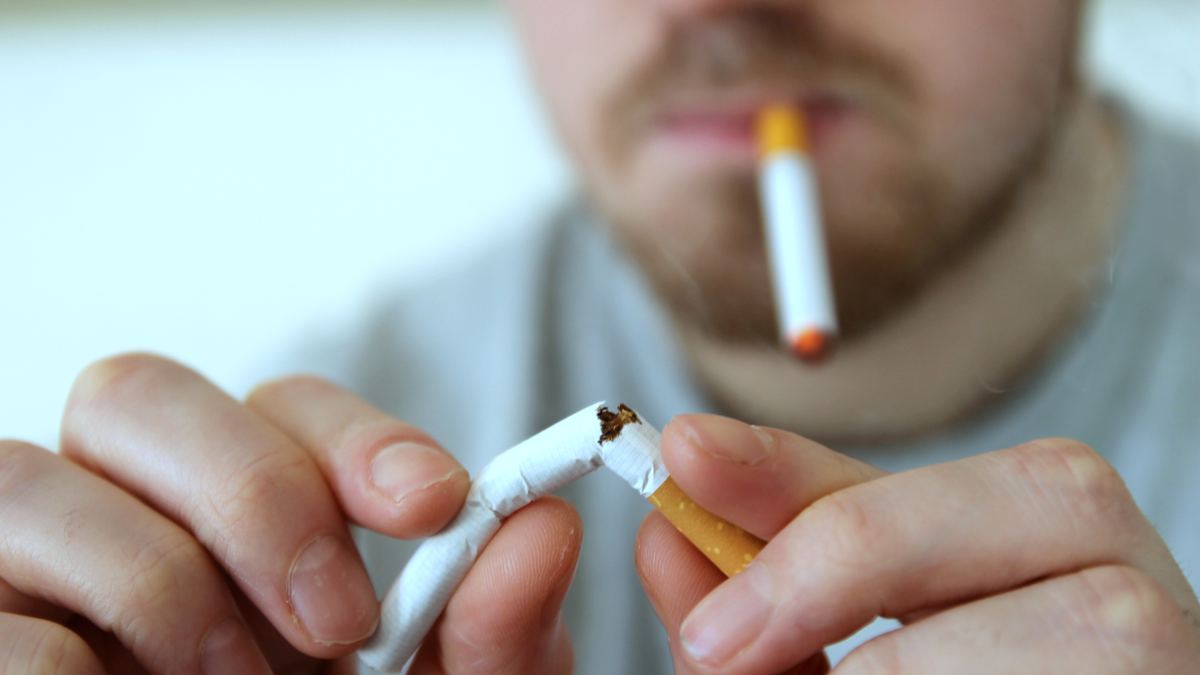
查核:「抽了三十年菸,現在戒也來不及了」是真的嗎?
不是。英國醫師 50 年追蹤顯示 60 歲戒菸可挽回約 3 年壽命、50 歲約 6 年、40 歲約 9 年、30 歲前戒幾乎回到不吸菸者水準…
查核:「氣喘吸入型類固醇會上癮又傷身,症狀好了就該停」是真的嗎?
不成立。吸入型類固醇不會「上癮」,是預防型基本治療,可減少發作與嚴重結局風險[1][2],多在醫師指示下逐步調整,而不是症狀一好就自己停藥。
Understand the related tests
Related global data
폐와 호흡 · 세계 질병 인구 통계Global burden and trends for this topic (with sources and years)Lived experience

After Rebirth: From Dialysis Patient to Health Educator — Choosing to Return to the Ward
Shock at birth led to chronic glomerulonephritis; dialysis began at 26; a kidney transplan…

Why Did I End Up on Dialysis?
A difficult birth, shock and oxygen deprivation damaged both my kidneys. As a teenager I s…
