A New Tool to Delay Dialysis: Forxiga (Dapagliflozin) — Uses, Dosing and Contraindications
Forxiga began as a diabetes drug, but the DAPA-CKD trial proved it slows kidney decline even in CKD patients without diabetes. This article covers its mechanism, indications, dosing, side effects and contraindications.
Inhalt
What Is Forxiga?
Forxiga® (generic dapagliflozin) is an SGLT2 inhibitor. SGLT2 is the protein in the kidney tubule that reabsorbs glucose from urine back into the blood; blocking it lets glucose and sodium leave in the urine.
Launched in 2012 for type 2 diabetes, it was later found to protect the heart and kidneys — even in people without diabetes.
How Does It Protect the Kidneys?
The main mechanism is not glucose-lowering but:
- Lowering intraglomerular pressure: more sodium reaches the distal tubule → tubuloglomerular feedback → afferent arteriole constricts → hyperfiltration decreases, so remaining nephrons stop working overtime
- Reducing albuminuria by about 30%
- Reducing kidney hypoxia and inflammation
- Reducing fluid retention, benefiting heart and blood pressure
The Key Trial
DAPA-CKD (NEJM, 2020): 4,304 CKD patients with eGFR 25–75 and albuminuria (about two-thirds without diabetes), dapagliflozin 10 mg vs. placebo:
- Composite of ≥ 50% eGFR decline, kidney failure, or renal/cardiovascular death reduced by 39%
- All-cause mortality reduced by 31%
- Effect consistent in patients with and without diabetes
- Trial stopped early for overwhelming efficacy
This led KDIGO 2024 to list SGLT2 inhibitors as first-line foundational therapy for CKD, alongside ACE inhibitors/ARBs.
Indications (Taiwan label)
- Type 2 diabetes (glycemic control)
- Chronic kidney disease at risk of progression, with or without diabetes
- Heart failure, regardless of ejection fraction
Dosing
- 10 mg once daily, with or without food
- Start when eGFR ≥ 25 for the CKD indication; if eGFR later falls below 25, continue until dialysis begins (KDIGO recommendation)
- An initial eGFR dip of 3–5 is a normal hemodynamic response (lower glomerular pressure), usually stabilizing within weeks — not a sign of kidney injury. Your doctor will recheck at 2–4 weeks
Common Side Effects
| Side effect | Notes | Prevention |
|---|---|---|
| Genital fungal infection | Vaginal candidiasis in women, balanitis in men; due to urinary glucose. About 5–10% | Keep clean and dry, hydrate within limits, treat early |
| Urinary tract infection | Slightly increased | As above |
| Polyuria, dehydration, low BP | Diuretic effect; caution in older adults and with diuretics | Diuretic dose may be adjusted |
| Hypoglycemia | Not alone, but risk rises with insulin or sulfonylureas | Adjust other glucose-lowering drugs |
Serious but Rare Side Effects
- Ketoacidosis (DKA): can occur with normal glucose ("euglycemic DKA"). Symptoms: nausea, vomiting, abdominal pain, rapid breathing, fatigue. Risk rises during illness, fasting, before surgery, or heavy alcohol use — pause the drug at these times ("sick day rules")
- Fournier's gangrene: severe perineal infection, extremely rare
- Acute kidney injury: mostly from dehydration
Contraindications and Situations Where It Is Not Recommended
Contraindicated
- Serious hypersensitivity to dapagliflozin (anaphylaxis, angioedema)
- Patients on dialysis: ineffective and not recommended
Not recommended
- Type 1 diabetes: high DKA risk
- Polycystic kidney disease, lupus nephritis or vasculitis under immunotherapy: excluded from DAPA-CKD, insufficient evidence
- Second/third trimester of pregnancy and breastfeeding: animal studies show effects on fetal kidney development
- Severe liver impairment: use with caution
When to pause (sick day rules)
- Acute illness, fever, vomiting, diarrhea, inability to eat
- 3 days before surgery
- Severe dehydration
- Resume once eating and feeling well again
Interactions
- ACEi/ARB: combination recommended; additive benefit
- Diuretics: higher dehydration risk; dose may need reduction
- Insulin, sulfonylureas: higher hypoglycemia risk; adjust
- Finerenone (non-steroidal MRA), GLP-1 receptor agonists: can be combined, forming the "four pillars" of CKD therapy
Insurance Coverage
Taiwan's NHI covers Forxiga for CKD under specific criteria (eGFR range, albuminuria thresholds), which change over time — follow your doctor's explanation.
Drugs in the Same Class
- Empagliflozin (Jardiance®): EMPA-KIDNEY confirmed CKD protection, including eGFR 20–45 without albuminuria
- Canagliflozin (Invokana®): CREDENCE trial, for diabetic kidney disease
Key Takeaways
- Forxiga is an SGLT2 inhibitor that does more than lower glucose — it slows CKD and reduces mortality, with or without diabetes
- Start at eGFR ≥ 25; continue until dialysis
- A small initial eGFR dip is expected
- Common side effect: genital fungal infection; serious but rare: ketoacidosis — pause during illness, fasting or before surgery
- Not for type 1 diabetes or dialysis patients
- Always follow your prescriber's instructions; never start or stop on your own
References
- Heerspink HJL, et al. Dapagliflozin in Patients with Chronic Kidney Disease (DAPA-CKD). N Engl J Med. 2020;383:1436–1446.
- KDIGO. 2024 Clinical Practice Guideline for the Evaluation and Management of CKD, Chapter 3. 2024.
- The EMPA-KIDNEY Collaborative Group. Empagliflozin in Patients with Chronic Kidney Disease. N Engl J Med. 2023.
- Forxiga® Taiwan prescribing information (AstraZeneca).
- Taiwan Society of Internal Medicine. SGLT2 inhibitors — a new milestone in CKD care.
Source links (verified 2026-10-19)
- DAPA-CKD — Heerspink HJL et al. N Engl J Med 2020;383:1436–1446
- EMPA-KIDNEY — N Engl J Med 2023;388:117–127
- KDIGO 2024 CKD Evaluation & Management — Kidney Int 2024;105(4S)
- KDIGO 2022 Diabetes Management in CKD
This article summarizes publicly available medical information for educational purposes only and is not medical advice. Always follow your physician's prescription. For any questions about your health, illness or physical care, please seek help through professional medical channels and consult your physician.
Where to go next
Related knowledge

Factors influencing remission of type 2 diabetes: Key points from a systematic review and meta-analysis (based on abstract)
This systematic review and meta-analysis summarizes 36 studies reporting factors associated with the probability of remission of type 2 diabetes (T2DM), noting that the direction of the BMI…
查核:「牙周病只是牙齦問題,跟糖尿病、心臟或腎臟無關」是真的嗎?
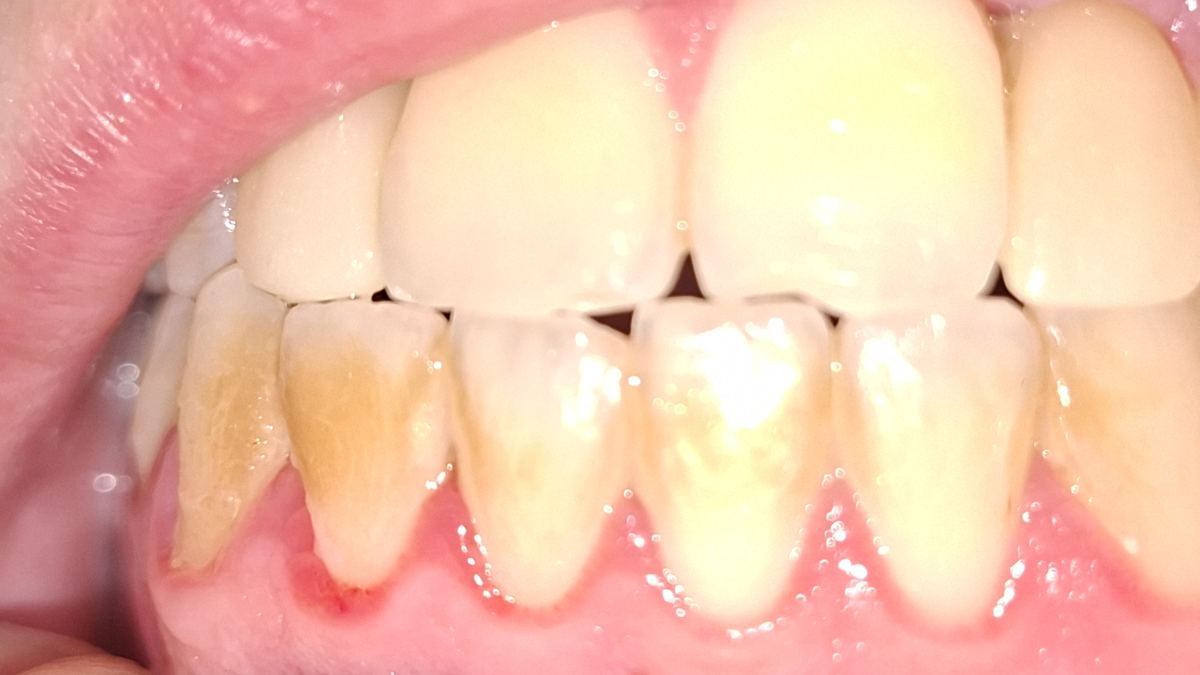
結論:不成立。依現有高品質證據,牙周病與糖尿病之間有雙向關聯,也與心血管疾病有穩定關聯訊號[1][2][3],已經不是單純的「牙齦局部問題」。對腎臟的直接關係,目前證據有限,只能說推論上可能相關但尚未證實。
查核:「打胰島素是最後一步,打了就一輩子、還會害人洗腎」是真的嗎?
結論:不成立。胰島素不是只能當「最後手段」,有時一開始就建議使用,也不一定「打了就一輩子」。現有臨床試驗顯示,較佳的血糖控制(其中許多病人使用胰島素)與減少微血管併發症有關,沒有證據顯示胰島素本身會「害人洗腎」。
Related global data
Chronische Nierenkrankheit · Globale KrankheitsstatistikGlobal burden and trends for this topic (with sources and years)Lived experience

After Rebirth: From Dialysis Patient to Health Educator — Choosing to Return to the Ward
Shock at birth led to chronic glomerulonephritis; dialysis began at 26; a kidney transplant came on Christmas Day at 32.

Why Did I End Up on Dialysis?
A difficult birth, shock and oxygen deprivation damaged both my kidneys. As a teenager I skipped my medication. At 26, a single glass of orange juice sent me straight to the emergency room.
