
Asthma in Older Adults: Key Points from a Systematic Review of Real-World Burden and Outcomes Over the Past Decade
A systematic review indicates the prevalence of asthma in older adults is increasing but is often underdiagnosed and undertreated; diagnosis and management require consideration of age-related specifics.[1]
How to read this research digest
- What this is
- A digest written by Beyond CKD from the public PubMed abstract, with our own context and reminders from a patient’s perspective. It is not the full paper and not treatment advice.
- Reading the numbers
- Relative risks (RR/HR) with 95% confidence intervals describe the difference between groups and its uncertainty; an interval crossing 1 usually means no significant difference. Meta-analyses pool several trials; a single trial needs replication. If the study population differs from you (e.g. non-diabetic, on dialysis, post-transplant), results may not apply.
- Limits
- Unless a “verification scope” note says the full text was checked, the digest is based on the abstract. We are not physicians and give no individual advice. Conclusions may change with later research.
- Next step
- Take your questions to your care team to ask whether this applies to you, or read the original source: PubMed PMID 42980725
Compiled by a kidney-transplant recipient with a health-management background, from public sources; not physician-reviewed. Our editorial principles
Contents
A systematic review indicates the prevalence of asthma in older adults is increasing but is often underdiagnosed and undertreated; diagnosis and management require consideration of age-related specifics.[1]
Study type:Journal Article,Systematic Review,Review(classification: clinical guideline/high-quality systematic review) Published:Current allergy and asthma reports,2026-11-04 Source:PubMed public abstract
A systematic review indicates the prevalence of asthma in older adults is increasing but is often underdiagnosed and undertreated; diagnosis and management require consideration of age-related specifics.[1]
Why this study matters
Why this review is important for patients and caregivers:
- This systematic review summarizes the past decade of real-world evidence on “asthma in older adults,” including prevalence, diagnostic challenges, and current treatment practices, and highlights that this population is often overlooked and undertreated in clinical practice[1].
- For people with chronic illnesses and their families, understanding the atypical presentations of asthma in older adults, the risk of overlap with other chronic diseases (for example, chronic obstructive pulmonary disease COPD), and potential issues with healthcare access can help promote more comprehensive clinical assessments and communication.
What the study actually found
Main findings reported in the review summary (based on the review synthesis)[1]:
- The prevalence of asthma in older adults shows an increasing global trend, with incidence particularly notable in developed regions and Asia.
- The older population commonly experiences underdiagnosis and undertreatment.
- Diagnosis is more complex due to atypical symptom presentation, multiple comorbidities, overlap with conditions such as COPD, and limitations in the applicability of current standard diagnostic criteria for older adults.
- Patient-level barriers include limited health literacy, poor inhaler technique, symptoms being misattributed, psychological comorbidities (such as anxiety and depression), and insufficient social support.
- Access to novel treatments such as biologics is uneven, and precision-medicine strategies specifically for older adults remain inadequate.
Possible implications for patients with CKD, dialysis, or transplant
How to interpret these findings (distinguishing strength of evidence and inference):
Supported associations reported by the review:
- The review indicates an increased prevalence of asthma in older adults accompanied by underdiagnosis and undertreatment; these are observed associations rather than causal determinations[1].
- Diagnostic difficulties and patient-level barriers are listed as factors that may affect care access and management, according to the review[1].
Conclusions with reasonable support from the review:
- Asthma in older adults is an important and commonly underestimated public health issue that requires greater attention at clinical and public health levels[1].
Hypotheses needing more evidence:
- The precise drivers of the increasing prevalence (environmental factors, changes in diagnostic criteria, population demographics, or other causes) and which specific precision-medicine strategies are best suited for older adults remain to be validated; the review notes insufficient data on precision approaches in this population[1].
Limitations of the current research
Study limitations and scope of this summary:
- This summary is based on the PubMed public abstract and the full text was not reviewed; the abstract did not provide sample sizes or detailed methodological information, so we cannot perform an in-depth appraisal of the quality or data of individual studies.
- The original review is a systematic review that may include studies with diverse designs and regions; heterogeneity across studies can influence overall conclusions, but the abstract did not detail the degree of heterogeneity or results of any meta-analysis.
- This summary synthesizes a single source (the review abstract) and is therefore limited to the content of that abstract; it does not represent consensus or a comprehensive evidence appraisal.
Conclusions that remain uncertain
Issues still needing clarification (not yet settled):
- The main reasons for the rising prevalence (environmental changes, changes in diagnostic criteria, population aging, or other factors) are not clear; the review reports an increasing trend but the abstract does not explain causes[1].
- Which diagnostic processes or revised criteria are most appropriate for older adults has not been established. Current standards have questioned applicability in older adults, but empirical studies are needed to validate improved approaches.
- The safety and effectiveness of biologics and other novel therapies in older patients, and how to ensure equitable access, remain uncertain; the review notes uneven accessibility and limited data, precluding consistent conclusions.
- The patient-level barriers identified by the review (for example, health literacy and inhaler technique) are plausible contributors to undertreatment, but causal relationships require further research to confirm.
Questions you can discuss with your healthcare team
- Could my respiratory symptoms be misattributed to aging or other chronic diseases? Should my diagnosis be reassessed?
- Can we arrange for someone to review my inhaler technique or provide inhaler education?
- Do my comorbid conditions (for example, heart disease, diabetes) affect the assessment and treatment choices for my respiratory symptoms?
- If advanced therapies such as biologics are being considered, am I eligible and do I have access? What evaluations are needed?
- Do I have adequate community or home support (such as family or caregiving resources) to help implement a respiratory treatment plan?
- Does the clinical team use diagnostic pathways or management plans adjusted for older adults?
How to read this study (our interpretation)
This section was written by the Beyond CKD editor — a kidney-transplant recipient with a health-management background, not a physician — using only the PubMed abstract. We have not read the full paper, and no clinician has reviewed this text. It is meant to help you understand the numbers, not to advise treatment.
What the study asked
This is a systematic review of the past decade of literature on asthma in older adults, focusing on epidemiology, diagnostic difficulty and current management, and asking why asthma in this group is so often missed or undertreated.
How to read the results
There are no pooled numbers; this is a narrative synthesis, so you read it for which patterns were repeatedly reported rather than for RRs or ORs. The review finds that asthma prevalence in older adults is rising worldwide, especially in developed regions and Asia, and that underdiagnosis and undertreatment are widespread. Diagnosis is complicated by atypical symptoms, multiple coexisting conditions, overlap with COPD and the limited fit of standard diagnostic criteria to older people. Patient-side barriers include low health literacy, poor inhaler technique, putting symptoms down to age, anxiety or depression, and limited social support. Access to biologic therapies is uneven and precision-medicine approaches for older adults are lacking. These are observed patterns and expert synthesis, not quantified risk estimates.
Limitations
A narrative review’s conclusions depend on which papers the authors chose and how they weighed them; it is more subjective than a meta-analysis. The abstract does not say how many studies were included or how good they were, and it gives no prevalence figures — the statement about Asia comes without numbers.
What it means for readers and people with kidney disease
For older readers and carers, the useful reminder is that breathlessness, cough or disturbed sleep from breathing are not necessarily “just age” or “the heart”; undiagnosed asthma is possible, and asthma and COPD can coexist. For people with CKD or on dialysis, breathing symptoms are often blamed on fluid overload or anaemia — this review argues asthma belongs on the list too. Inhaler technique is one of the few things that can be fixed immediately.
How to check further
Ask your doctor: Could my breathing symptoms be asthma? Do I need lung-function testing? Can someone check how I use my inhaler?
Original abstract: PubMed 42980725 (https://pubmed.ncbi.nlm.nih.gov/42980725/). Interpretation last updated 2026-11-06.
References
[1] Chen ZQ, Sun ZW, Sun HK, Wang DY, Ma W. Asthma in Older Adults: A Systematic Review of Real-World Burden and Outcomes.. Current allergy and asthma reports. 2026. DOI: 10.1007/s11882-026-01304-2. PMID: 42980725.
Medical disclaimer: This article is for general health education and information only. It does not constitute individual medical diagnosis, treatment advice, or a doctor–patient relationship. Medical research is continually updated, and study findings have their own scope and limitations. Every patient's condition, laboratory values, medications and treatment needs differ. Do not stop or adjust medication doses, change your diet or fluid intake, or alter dialysis or transplant treatment based on this article alone. For any medical questions, please consult your nephrologist or another qualified healthcare professional.
Article created: 2026-11-05|Original study published: 2026-11-04|Last checked: 2026-11-05 (source metadata has been cross-checked with PubMed)
Change log
- AdSense 最終複審準備:新增站方判讀段(研究問題/結果解讀/限制/意義/查證),zh/en/ja,依 PubMed 摘要撰寫
Where to go next
Related knowledge
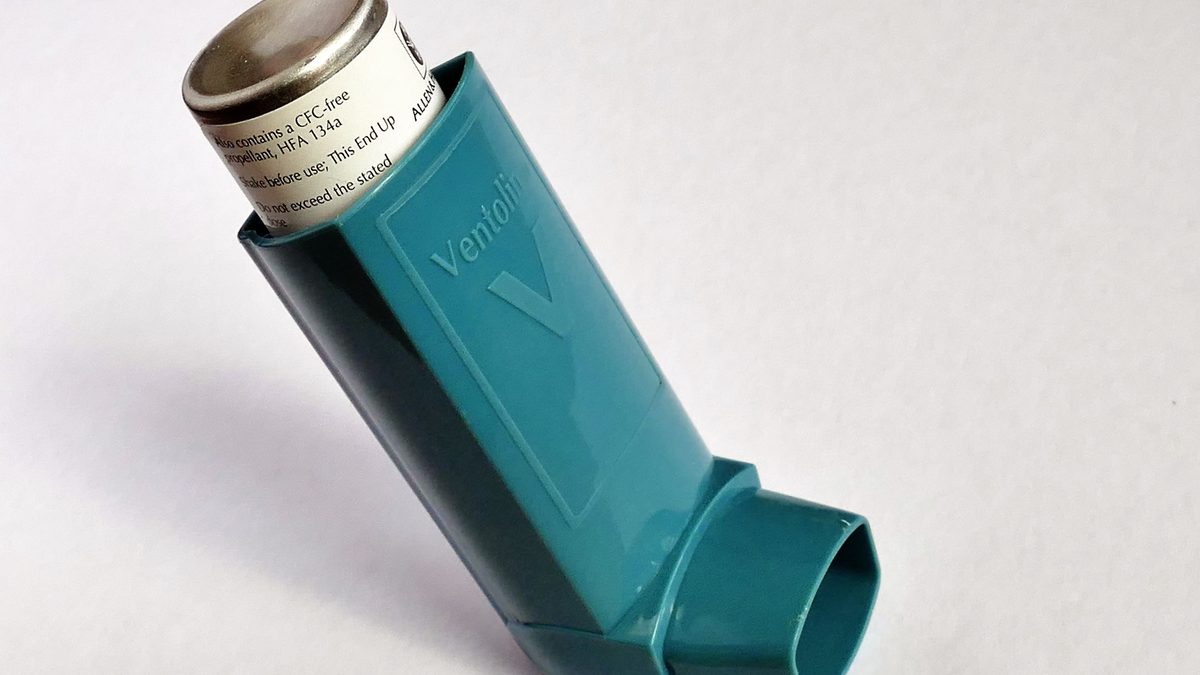
查核:「氣喘吸入型類固醇會上癮又傷身,症狀好了就該停」是真的嗎?
不成立。吸入型類固醇不會「上癮」,是預防型基本治療,可減少發作與嚴重結局風險[1][2],多在醫師指示下逐步調整,而不是症狀一好就自己停藥。
COPD and Asthma: How to Tell Them Apart, Reading Your Spirometry, Why Inhalers "Don't Work", and an Action Plan for Flare-ups
COPD is the world's 3rd–4th leading cause of death; asthma affects about 260 million people. They are often confused but treated differently.
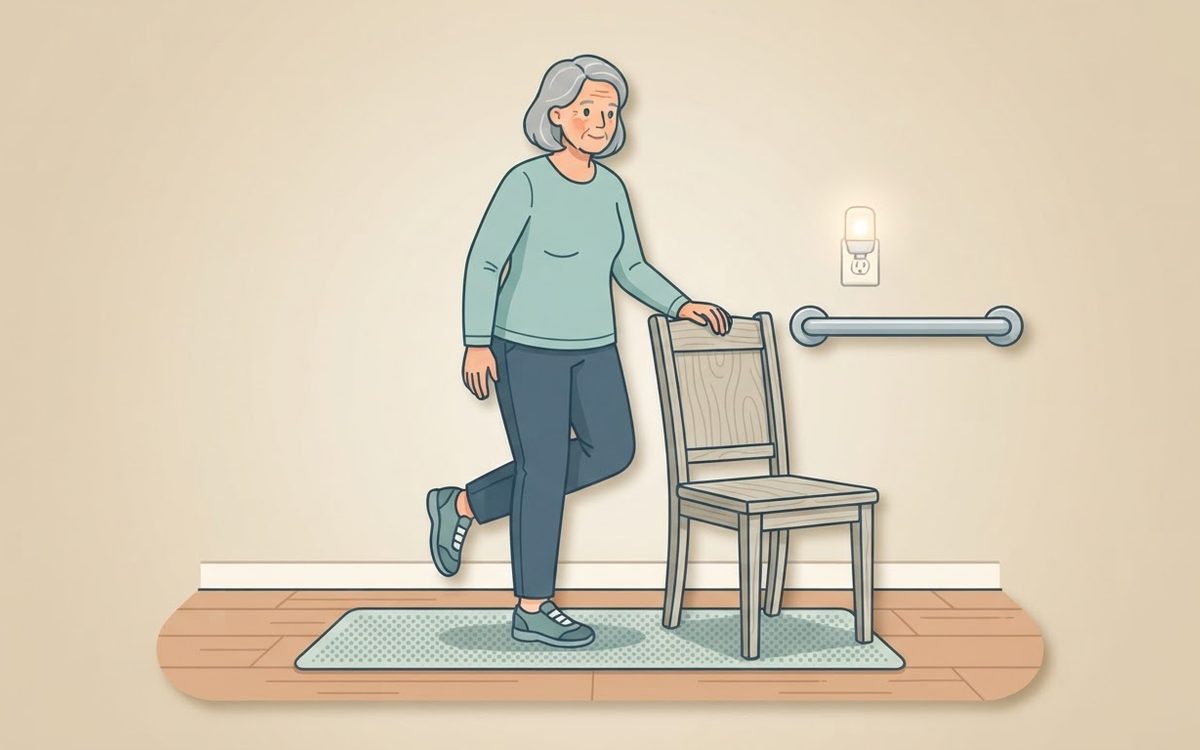
查核:「年紀大了不該做重量訓練,散步就夠了」是真的嗎?
不成立。現有國際指引與系統性回顧整體支持高齡者在適當評估與監督下進行規律的阻力/肌力訓練,而非完全避免,只做散步。散步等有氧活動應與肌力訓練並行。
Related global data
Lungs & Breathing · Global Disease Population StatisticsGlobal burden and trends for this topic (with sources and years)Lived experience

After Rebirth: From Dialysis Patient to Health Educator — Choosing to Return to the Ward
Shock at birth led to chronic glomerulonephritis; dialysis began at 26; a kidney transplant came on Christmas Day at 32.

Why Did I End Up on Dialysis?
A difficult birth, shock and oxygen deprivation damaged both my kidneys. As a teenager I skipped my medication. At 26, a single glass of orange juice sent me straight to the emergency room.
