
The most common cancer after kidney transplant is skin cancer: how high the risk is, daily sun protection, and which spots need a doctor now
Anti-rejection drugs sharply raise skin-cancer risk in transplant recipients — squamous cell carcinoma can be 65–250 times more common than in the general population. Yet it is also the most preventable and most detectable cancer. Based on the KDIGO 2009 transplant guideline and the NEJM review: risk factors, concrete sun-protection steps, monthly self-checks (ABCDE and the "non-healing" rule), annual dermatology exams, and which immunosuppression adjustments have evidence.
How high is the risk?
Long-term immunosuppression weakens the "immune surveillance" that clears abnormal cells, and some anti-rejection drugs are photosensitising or directly carcinogenic. Skin cancer is therefore the most common malignancy after organ transplantation.
From the classic NEJM review (Euvrard et al., 2003) and later registry studies:
| Skin cancer | Relative risk vs general population | Features |
|---|---|---|
| Squamous cell carcinoma (SCC) | 65–250× | Most common in recipients; more often multiple, more aggressive, higher metastatic rate |
| Basal cell carcinoma (BCC) | ~10× | BCC outnumbers SCC in the general population; in recipients the ratio flips (SCC:BCC ≈ 4:1) |
| Melanoma | ~2–3× | Less common but high mortality |
| Kaposi sarcoma, Merkel cell carcinoma | Markedly increased | Virus-associated (HHV-8, MCPyV) |
Risk accumulates with years since transplant: Australian data show more than half of white recipients have had at least one skin cancer 20 years after transplant. Absolute risk is lower in Asian populations but still clearly elevated relative to the same ethnic background.
Risk factors
- Cumulative ultraviolet exposure — the biggest modifiable factor.
- Fair skin that burns easily (Fitzpatrick I–II).
- Older age, longer time since transplant, heavier immunosuppression (e.g. ATG, repeated rejection treatment).
- Azathioprine: sensitises skin to UVA and has directly mutagenic metabolites; mycophenolate carries lower risk.
- Cyclosporine: evidence of tumour-promoting effects independent of immunosuppression.
- Pre-transplant actinic keratoses or prior skin cancer: highest risk of recurrence.
- HPV infection: linked to SCC in recipients.
Daily sun protection: exactly what to do
KDIGO 2009 advises recipients to "avoid sun exposure and use sunscreen". In practice (American Academy of Dermatology and transplant-dermatology consensus):
- Sunscreen: broad-spectrum (UVA + UVB), SPF 30 or higher, applied 15 minutes before going out and reapplied every 2 hours, and immediately after swimming or sweating. Use enough — about a shot glass (30 mL) for the body; a fingertip-length for the face.
- Cover up: wide-brimmed hat (brim ≥7 cm), long sleeves, long trousers, sunglasses; UPF 50+ clothing outperforms an ordinary cotton T-shirt.
- Avoid peak hours: 10 am to 4 pm. Cloud still lets through 70–80% of UV.
- Lips: SPF lip balm — lip cancer (lower-lip SCC) is also more common in recipients.
- Ears, back of neck, backs of hands, scalp (if bald): the most forgotten sites and the commonest SCC sites.
- Never use tanning beds.
Monthly self-examination
In good light, with a mirror (or a family member), check the whole body including scalp, behind the ears, between fingers and toes, soles, and genital area.
ABCDE for melanoma
- Asymmetry
- Border irregularity
- Colour variation
- Diameter >6 mm
- Evolving
SCC warning signs recipients should watch for
- Rough, scaly, sandpaper-like red patches (actinic keratoses — SCC precursors that recipients should have treated promptly)
- A sore that does not heal, or keeps scabbing and bleeding (more than 4 weeks)
- A rapidly growing firm nodule or horn-like growth (keratoacanthoma-like)
- Tender plaques
Rule: any new, changing, or non-healing lesion lasting more than a month should be seen by a dermatologist. SCC can grow several times faster in recipients — do not "watch and wait".
Annual dermatology examination
KDIGO 2009 recommends an annual full-skin and lip examination by an experienced clinician; people with a history of skin cancer need more frequent checks (every 3–6 months).
Make sure your transplant team, your dermatologist and you all know this is on the calendar.
Already had skin cancer — can immunosuppression be adjusted?
This is the transplant team's call, but the evidence is worth discussing:
- Switching to an mTOR inhibitor (sirolimus/everolimus): the TUMORAPA trial (NEJM 2012) showed that kidney recipients with prior SCC who switched from a CNI to sirolimus had significantly fewer new SCCs, but side effects (mouth ulcers, proteinuria, poor wound healing) led many to stop, and benefit was smaller in those with multiple prior SCCs.
- Stopping or reducing azathioprine in favour of mycophenolate.
- Lowering overall immunosuppression where rejection risk allows.
- Oral nicotinamide (vitamin B3) 500 mg twice daily: ONTRAC (NEJM 2015) cut non-melanoma skin cancer by about 23% in high-risk immunocompetent people, but the dedicated transplant trial (ONTRANS, 2023) did not reach statistical significance; evidence is insufficient for routine recommendation but worth a conversation.
- Acitretin (oral retinoid): chemoprevention for recipients with multiple SCCs; requires lipid and liver monitoring.
In one sentence
Sun protection is the one thing you can do for your new kidney every single day, at almost no cost. Hat, long sleeves, SPF 30, monthly self-check, yearly dermatologist — do these five things and most post-transplant skin cancers are prevented or cured early.
References
- Euvrard S, Kanitakis J, Claudy A. Skin cancers after organ transplantation. N Engl J Med 2003;348:1681–1691. https://doi.org/10.1056/NEJMra022137
- KDIGO Transplant Work Group. KDIGO clinical practice guideline for the care of kidney transplant recipients (Chapters 18–19). Am J Transplant 2009;9(Suppl 3):S1–S155. https://doi.org/10.1111/j.1600-6143.2009.02834.x
- Euvrard S, et al. Sirolimus and secondary skin-cancer prevention in kidney transplantation (TUMORAPA). N Engl J Med 2012;367:329–339. https://doi.org/10.1056/NEJMoa1204166
- Chen AC, et al. A Phase 3 Randomized Trial of Nicotinamide for Skin-Cancer Chemoprevention (ONTRAC). N Engl J Med 2015;373:1618–1626. https://doi.org/10.1056/NEJMoa1506197
- Allen NC, et al. Nicotinamide for Skin-Cancer Chemoprevention in Transplant Recipients (ONTRANS). N Engl J Med 2023;388:804–812. https://doi.org/10.1056/NEJMoa2203086
- American Academy of Dermatology. Sunscreen FAQs; Skin cancer in organ transplant recipients. https://www.aad.org/
This article compiles publicly available medical information for educational purposes only and is not medical advice. For any health or medication question, please consult a qualified healthcare professional.
Related Reading
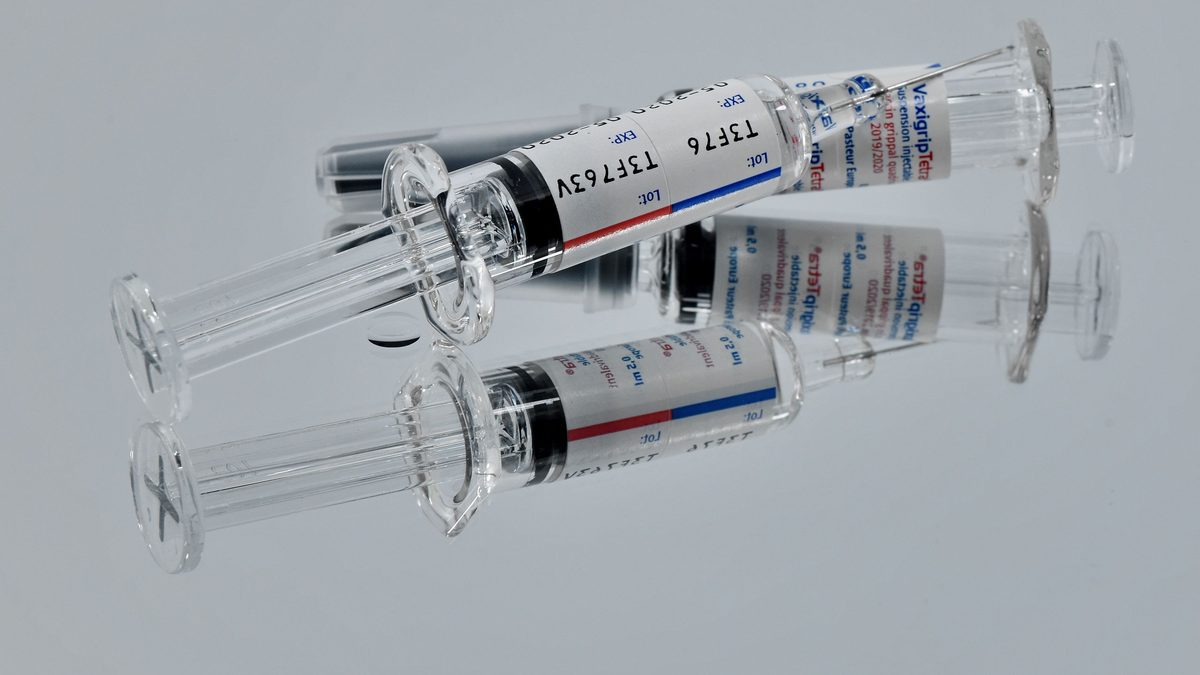
Vaccines for kidney patients and transplant recipients: the full list — what to get, what is absolutely off-limits, and when timing matters most
"No vaccines after transplant" is a common myth. Only live attenuated vaccines are contraindicated; the rest matter even more because immunity is weaker. Based on the American Society of Transplantation 2019 guideline, CDC/ACIP and KDIGO: recommended vaccines across CKD, dialysis and transplant, the live-vaccine list, recombinant zoster vaccine, high-dose hepatitis B strategy, timing, and household vaccination.

Anti-Rejection Drug Interactions: The Complete List of Foods, Medicines and Supplements to Watch — Grapefruit, Pomelo, Paxlovid, NSAIDs, Herbs and Vaccines (v1.1, updated 2026-10-13)
What "fights" with tacrolimus, cyclosporine, sirolimus, mycophenolate and azathioprine after a kidney transplant? A red/amber/orange-graded list of 60+ foods, herbs, supplements, prescription drugs and vaccines, with practical habits, a version history and 21 references.

What Is a Kidney Transplant? From Evaluation and Waiting to Surgery and Lifelong Care
Kidney transplantation offers the best survival and quality of life for kidney failure, but it is not a cure — it exchanges one chronic condition for another that needs lifelong management. This article covers donor sources, matching, surgery, rejection, medications and long-term care.
