Osteoporosis: Reading Your T-score, Calculating FRAX, Which Drugs Actually Prevent Fractures, and Why Kidney Disease Changes the Rules
About 1 in 3 women and 1 in 5 men over 50 will suffer an osteoporotic fracture; hip fracture carries ~20% one-year mortality. Based on IOF/ESCEO, BHOF 2022 and KDIGO 2017 CKD-MBD guidelines: DXA interpretation, FRAX, practical calcium and vitamin D advice, the evidence and limits of each drug class, and why CKD patients cannot be treated on T-score alone.
Índice
- Why osteoporosis matters
- DXA and the T-score
- FRAX: 10-year fracture probability
- Calcium and vitamin D: practical advice
- Drugs: which actually reduce fractures?
- Kidney patients: why T-score alone is not enough
- Fall prevention: as important as medication
- When to seek care
- Questions to ask your doctor
- References
Why osteoporosis matters
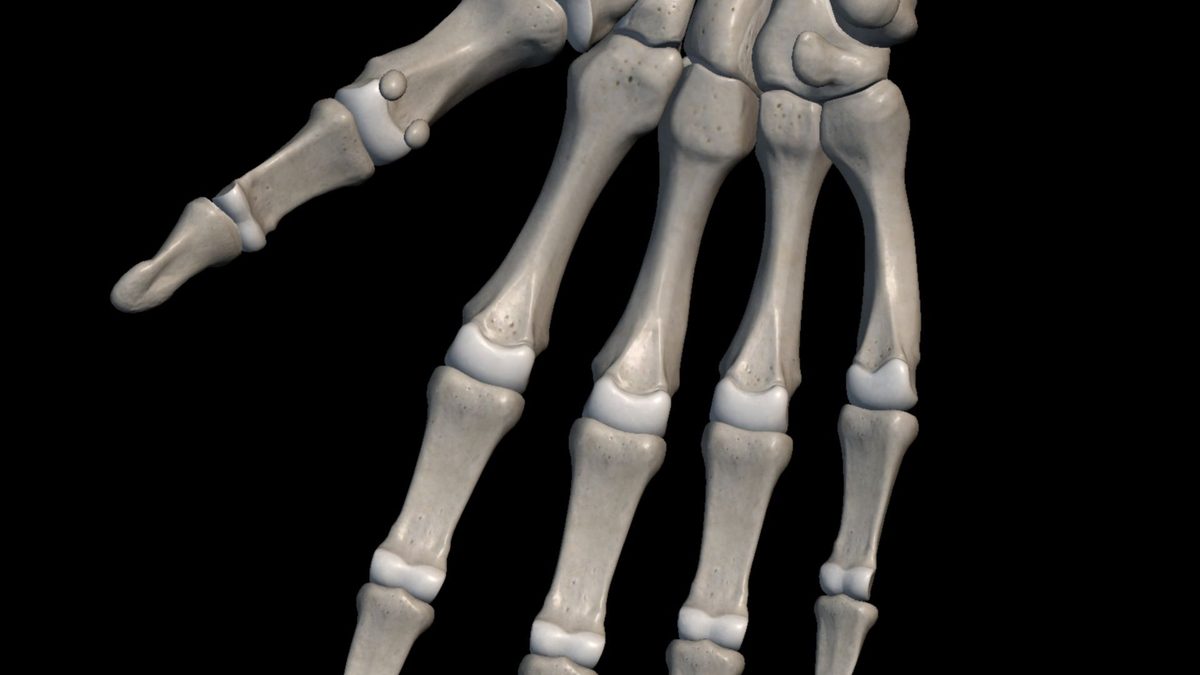
Osteoporosis is loss of bone mass and deterioration of bone micro-architecture, making bones fragile. It is silent — the first symptom is usually a fracture. An osteoporotic fracture occurs every 3 seconds worldwide; about 1 in 3 women and 1 in 5 men over 50 will have one [1].
Hip fracture is the most serious: one-year mortality is about 20%, and around half of survivors never regain their previous mobility [1][2]. Vertebral compression fractures are often silent (height loss >3 cm, stooping, chronic back pain are clues), and the risk of a second fracture is highest in the two years after the first ("imminent risk") [2].
DXA and the T-score
Dual-energy X-ray absorptiometry (DXA) measures bone density at the lumbar spine and hip, reported as a T-score — standard deviations from the young-adult mean [1][2]:
| T-score | Interpretation |
|---|---|
| ≥ −1.0 | Normal |
| −1.0 to −2.5 | Osteopenia (low bone mass) |
| ≤ −2.5 | Osteoporosis |
| ≤ −2.5 plus fragility fracture | Severe osteoporosis |
A hip or vertebral fragility fracture means clinical osteoporosis regardless of T-score, and warrants treatment [2].
Who should have DXA [2]: women ≥65, men ≥70; postmenopausal women and men 50–69 with risk factors (prior fracture, parental hip fracture, low body weight, smoking, long-term steroids, rheumatoid arthritis, early menopause, CKD, etc.).
FRAX: 10-year fracture probability
FRAX, developed by a WHO collaborating centre, uses age, sex, BMI, fracture history, parental hip fracture, smoking, steroids, rheumatoid arthritis, secondary osteoporosis and alcohol (± femoral-neck T-score) to estimate 10-year probability of major osteoporotic and hip fracture, calibrated by country (Taiwan and Japan versions exist) [3].
Common treatment thresholds (US BHOF) [2]: 10-year hip-fracture probability ≥3% or major osteoporotic fracture ≥20%. Thresholds vary by country, and FRAX may under-estimate risk in CKD and after a recent fracture [3].
Calcium and vitamin D: practical advice
| Recommendation [2][4] | |
|---|---|
| Calcium | Women ≥50 and men ≥70: 1,200 mg/day (diet included); other adults 1,000 mg. Food first (dairy, tofu, small fish with bones, dark leafy greens); supplements only to fill the gap, ≤500 mg per dose |
| Vitamin D | ≥50 years: 800–1,000 IU/day; target serum 25(OH)D ≥20–30 ng/mL. Most people with little sun exposure need supplements |
Caution: high-dose calcium supplements may raise kidney-stone and possibly cardiovascular risk (evidence inconsistent), and calcium intake in CKD must be individualised (KDIGO advises avoiding high calcium loads in adult CKD 3–5) [5].
Drugs: which actually reduce fractures?
| Class | Drugs | Fracture reduction | Cautions [2][6] |
|---|---|---|---|
| Bisphosphonates | alendronate, risedronate (oral); zoledronic acid (yearly infusion) | Vertebral −40–70%, hip −40–50% | **Not recommended if CrCl <35**; osteonecrosis of the jaw and atypical femoral fracture are rare (>5 years' use); oral forms need an empty stomach and 30 min upright |
| Denosumab | subcutaneous every 6 months | Vertebral −68%, hip −40% | Not renally cleared — usable in CKD, but high hypocalcaemia risk at eGFR <30; needs calcium/vitamin D and monitoring; stopping causes rapid bone loss and multiple vertebral fractures, so it must be followed by a bisphosphonate |
| Anabolic agents | teriparatide (daily injection), romosozumab (monthly, 12 months) | Vertebral −65–73%; romosozumab also hip | For very high risk/multiple fractures; romosozumab has cardiovascular concerns (contraindicated within a year of MI/stroke); teriparatide — hypercalcaemia, caution in CKD 4–5 |
| SERM | raloxifene | Vertebral only −30–50% | Thrombosis risk; suits younger postmenopausal women |
| Hormone therapy | oestrogen | Reduces all fractures | Primarily for menopausal symptoms, with bone benefit |
Sequence matters: at very high risk (recent fracture, T ≤ −3.0, multiple fractures), an anabolic agent first, followed by a bisphosphonate or denosumab, outperforms the reverse order [2][6].
Kidney patients: why T-score alone is not enough
Bone disease in CKD is part of CKD-MBD (mineral and bone disorder) and includes several patterns of abnormal bone turnover — high turnover (secondary hyperparathyroidism), low turnover (adynamic bone), osteomalacia — which DXA cannot distinguish, and the wrong drug can harm (e.g. an antiresorptive in adynamic bone) [5].
Key points from the KDIGO 2017 update [5]:
- DXA is reasonable in CKD 3a–5D with osteoporosis risk factors (reversing the 2009 advice, because DXA does predict fracture in CKD).
- Before treatment, check PTH, alkaline phosphatase, calcium, phosphate and 25(OH)D; with very high or very low PTH, consider bone biopsy or specialist referral first.
- eGFR ≥30 (CKD 1–3): if PTH is normal, standard osteoporosis therapy applies.
- eGFR <30 (CKD 4–5, dialysis): bisphosphonate evidence is lacking and the drugs accumulate; denosumab is usable but hypocalcaemia risk is high; decisions should be shared between nephrology and bone specialists.
- Controlling phosphate, PTH and vitamin D (including active vitamin D) is itself bone protection.
Transplant recipients: steroids drive bone loss (density can fall 5–10% in the first year); KDIGO suggests considering vitamin D, calcium and a bisphosphonate or denosumab in the first year if eGFR >30 and bone density is low [5].
Fall prevention: as important as medication
Fracture = fragile bone × a fall. Evidence-based measures [2][7]:
- Exercise: balance training (tai chi has the strongest evidence) and strength training ≥3 times/week.
- Medication review: hypnotics, sedatives, over-treated blood pressure (postural hypotension), polypharmacy.
- Vision: cataract surgery, correct glasses.
- Home: remove rug edges, bathroom non-slip mats and grab rails, night lights.
- Vitamin D repletion may slightly reduce falls in deficient people.
- Take particular care after dialysis when blood pressure is low and you feel weak.
When to seek care
Urgently: hip or groin pain after a fall and unable to stand; sudden severe back pain (possible vertebral fracture); a deformed wrist.
Routine appointment: height loss >3–4 cm; any low-trauma fracture after 50; long-term steroids (≥3 months); CKD with osteoporosis risk factors; menopause before 45; never had DXA and aged ≥65 (women) or ≥70 (men).
Questions to ask your doctor
- What are my T-score and FRAX 10-year probabilities?
- With my kidney function, which osteoporosis drug is appropriate? Should PTH be checked first?
- Is my calcium intake adequate? Can I take calcium tablets with CKD?
- If I start denosumab, what is the plan for stopping it later?
- Can I join a balance/strength class?
References
- Kanis JA, et al. European guidance for the diagnosis and management of osteoporosis in postmenopausal women (IOF/ESCEO). Osteoporos Int. 2019;30(1):3–44. https://doi.org/10.1007/s00198-018-4704-5
- LeBoff MS, et al. The clinician's guide to prevention and treatment of osteoporosis (BHOF). Osteoporos Int. 2022;33(10):2049–2102. https://doi.org/10.1007/s00198-021-05900-y
- Kanis JA, et al. FRAX and the assessment of fracture probability. Osteoporos Int. 2008;19(4):385–397. https://doi.org/10.1007/s00198-007-0543-5 ; FRAX tool https://frax.shef.ac.uk/
- Institute of Medicine. Dietary Reference Intakes for Calcium and Vitamin D. 2011. https://doi.org/10.17226/13050
- KDIGO 2017 Clinical Practice Guideline Update for CKD-MBD. Kidney Int Suppl. 2017;7(1):1–59. https://doi.org/10.1016/j.kisu.2017.04.001
- Camacho PM, et al. AACE/ACE Guidelines for Postmenopausal Osteoporosis—2020 Update. Endocr Pract. 2020;26(Suppl 1):1–46. https://doi.org/10.4158/GL-2020-0524SUPPL
- Sherrington C, et al. Exercise for preventing falls in older people living in the community. Cochrane Database Syst Rev. 2019;(1):CD012424. https://doi.org/10.1002/14651858.CD012424.pub2
This article compiles publicly available medical information for educational purposes only. It is not medical advice and has not been reviewed by a practising physician. For any health or medication question, consult a qualified professional. For chest pain, sudden breathlessness, one-sided weakness or slurred speech, call your local emergency number or go to the emergency department immediately.
Historial de cambios
- 初版:依 IOF/ESCEO 2019 歐洲指引、AACE 2020、美國骨質疏鬆基金會(BHOF)2022 臨床指南、KDIGO 2017 CKD-MBD 更新整理。
Where to go next
Related knowledge

Postoperative Anti-osteoporosis Medications and Re-fracture, Bone Mineral Density, and Functional Recovery After Hip Fragility Fracture: Systematic Review and N
A systematic review comparing multiple anti-osteoporosis medications for postoperative re-fracture, hip BMD, and function/pain after hip fragility fracture found time- and outcome-specific…
Evidence summary of anabolic PTH agents (teriparatide) on bone mineral density in patients with advanced kidney disease
A systematic review including two randomized controlled trials found teriparatide to be associated with improvements in bone mineral density, but the evidence and safety data remain…
查核:「人人都該吃維生素 D 補充劑來預防骨折」有多少證據?
結論:不成立。大型隨機試驗與系統性回顧顯示,對一般社區成人人手吃維生素 D,整體並不能明確降低骨折風險[1][2][3],只在嚴重缺乏族群或特殊高風險者才可能有幫助。
Understand the related tests
Related global data
Huesos, articulaciones y músculos · Estadísticas mundialesGlobal burden and trends for this topic (with sources and years)Lived experience

After Rebirth: From Dialysis Patient to Health Educator — Choosing to Return to the Ward
Shock at birth led to chronic glomerulonephritis; dialysis began at 26; a kidney transplant came on Christmas Day at 32.

Why Did I End Up on Dialysis?
A difficult birth, shock and oxygen deprivation damaged both my kidneys. As a teenager I skipped my medication. At 26, a single glass of orange juice sent me straight to the emergency room.
