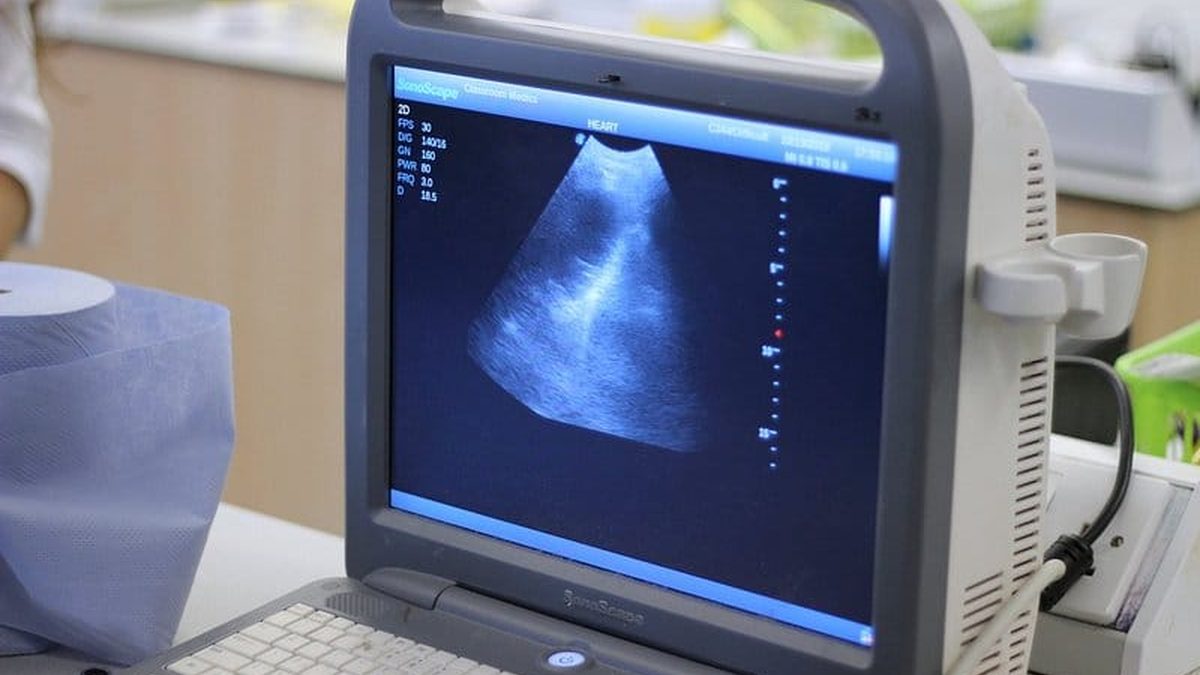
Fatty Liver Is More Than "Fat in the Liver": The MASLD Rename, How to Calculate FIB-4, Who Needs Fibrosis Testing, and How Much Weight Loss Works
About 1 in 3 adults worldwide has fatty liver; in Taiwan and Japan prevalence is around 30%. Since 2023 it is called MASLD. Based on the 2023 AASLD and 2024 EASL guidelines: why the name changed, who should be screened for fibrosis, the three FIB-4 cut-offs, and the evidence for weight loss and drugs including resmetirom.
목차
Why the name changed: from NAFLD to MASLD
In 2023 the American, European and Latin American liver societies renamed "non-alcoholic fatty liver disease (NAFLD)" to MASLD — metabolic dysfunction-associated steatotic liver disease [1]. Two reasons: the old name defined a disease by what it is not, and "fatty" was felt to be stigmatising.
The new definition: hepatic steatosis (≥5% of hepatocytes) plus at least one cardiometabolic risk factor:
- BMI ≥25 (≥23 in Asians) or increased waist circumference
- Fasting glucose ≥100 mg/dL, HbA1c ≥5.7%, or type 2 diabetes
- BP ≥130/85 or on antihypertensives
- Triglycerides ≥150 mg/dL
- HDL <40 mg/dL men, <50 women
"NASH" became MASH; those who also drink moderately are classified as MetALD [1].
How common, and why it matters
Global adult prevalence is about 30% and rising; Asia is around 30%, with Taiwanese and Japanese studies reporting 25–35% [2][3]. Most people never progress, but 20–30% develop MASH (inflammation and hepatocyte injury), and a proportion progress to fibrosis → cirrhosis → liver cancer [2][3].
Crucially, the leading cause of death in MASLD is cardiovascular disease, with liver disease second [2][3]. MASLD co-exists strongly with type 2 diabetes and CKD — MASLD roughly raises CKD risk 1.5-fold [4].
What predicts outcome? Fibrosis stage, not fat
Studies consistently show that fibrosis stage (F0–F4), not the amount of fat or the ALT level, is the strongest predictor of liver-related death [2][3]. A normal ALT does not exclude fibrosis.
Step 1: FIB-4 (a blood test you already have)
Both AASLD and EASL recommend FIB-4 as the first-line test [2][3]:
FIB-4 = (age × AST) ÷ (platelets × √ALT)
| FIB-4 | Interpretation | Next step |
|---|---|---|
| <1.3 | Low risk of advanced fibrosis | Recalculate every 1–3 years; manage metabolic risk |
| 1.3–2.67 | Indeterminate | Second-line test: liver stiffness (FibroScan/VCTE) or ELF blood test |
| >2.67 | High risk | Refer to hepatology |
FIB-4 may under-estimate in people <35** and over-estimate **>65 (EASL suggests a lower cut-off of 2.0 above 65) [3]. This site has a FIB-4 calculator.
Step 2: liver stiffness (VCTE)
FibroScan measures stiffness in kPa: <8 kPa makes advanced fibrosis unlikely; ≥12 kPa likely; in between needs further work-up [2][3]. Biopsy remains the gold standard but is rarely needed.
Who should be screened?
AASLD 2023 recommends proactively calculating FIB-4 in [2]:
- Type 2 diabetes
- Obesity with ≥1 metabolic risk factor
- Incidental steatosis on imaging or persistently raised ALT
- First-degree relative with cirrhosis
Treatment: weight loss remains the cornerstone — with clear numbers
| Weight loss | Effect [2][3] |
|---|---|
| ≥3–5% | Reduces liver fat |
| ≥7–10% | Improves MASH inflammation; some fibrosis improvement |
| ≥10% | Marked fibrosis improvement (≈45% of patients) |
How:
- Diet: the Mediterranean pattern has the strongest evidence (reduces liver fat even without weight change); cut fructose (sugary drinks) and ultra-processed food; coffee (≥3 cups/day, unsweetened) is associated with less fibrosis [2][3].
- Exercise: 150–300 min/week moderate aerobic plus resistance training; reduces liver fat even without weight loss [3].
- Alcohol: minimise; abstain completely with advanced fibrosis [2][3].
Medications
- Resmetirom (thyroid hormone receptor-β agonist): FDA-approved in 2024 for MASH with F2–F3 fibrosis; in MAESTRO-NASH, MASH resolution at one year was 26–30% vs 10% placebo and fibrosis improvement 24–26% vs 14% [5]. Not yet available in Taiwan or Japan (mid-2026).
- GLP-1 receptor agonists (semaglutide, tirzepatide): act largely through weight loss; the phase 3 ESSENCE trial showed MASH resolution and fibrosis improvement with semaglutide; appropriate with coexisting diabetes or obesity [3][6].
- SGLT2 inhibitors, pioglitazone: consider in type 2 diabetes; evidence for reduced liver fat and histological improvement [2][3].
- Vitamin E (800 IU/day): may be considered in non-diabetic MASH, with long-term safety concerns [2].
- No good evidence: "liver-protective" supplements and milk thistle (silymarin) lack high-quality data and must not replace weight loss [2].
Notes for kidney patients and transplant recipients
- MASLD and CKD share metabolic causes; a single FIB-4 is reasonable in CKD, but CKD may lower platelets and inflate FIB-4 — interpret with hepatology.
- After transplant, steroids, tacrolimus and weight gain promote steatosis; post-transplant diabetes raises risk further.
- Pioglitazone causes fluid retention — caution in CKD and heart failure.
- Check weight-loss drugs against anti-rejection medication with your transplant team.
When to seek care
Urgently: yellow skin or eyes, vomiting blood or black stools, rapid abdominal swelling, confusion or drowsiness (complications of cirrhosis).
Routine appointment: FIB-4 >1.3, ALT persistently above the upper limit, diabetes with no liver assessment ever, or a first-degree relative with cirrhosis or liver cancer.
Questions to ask your doctor
- What is my FIB-4? Do I need a FibroScan?
- Do I have advanced fibrosis? How often should I be followed, and should I be screened for liver cancer?
- What does 7–10% weight loss mean in kilograms for me? Can a dietitian help?
- Could my diabetes medication be switched to one that also helps the liver (SGLT2i, GLP-1 RA)?
- Should I stop any of my supplements?
References
- Rinella ME, et al. A multisociety Delphi consensus statement on new fatty liver disease nomenclature. Hepatology. 2023;78(6):1966–1986. https://doi.org/10.1097/HEP.0000000000000520
- Rinella ME, et al. AASLD Practice Guidance on NAFLD. Hepatology. 2023;77(5):1797–1835. https://doi.org/10.1097/HEP.0000000000000323
- EASL–EASD–EASO Clinical Practice Guidelines on MASLD. J Hepatol. 2024;81(3):492–542. https://doi.org/10.1016/j.jhep.2024.04.031
- Mantovani A, et al. NAFLD and risk of incident CKD: updated meta-analysis. Gut. 2022;71(1):156–162. https://doi.org/10.1136/gutjnl-2020-323082
- Harrison SA, et al. MAESTRO-NASH. N Engl J Med. 2024;390(6):497–509. https://doi.org/10.1056/NEJMoa2309000
- Sanyal AJ, et al. ESSENCE. N Engl J Med. 2025;392(21):2089–2099. https://doi.org/10.1056/NEJMoa2413258
This article compiles publicly available medical information for educational purposes only. It is not medical advice and has not been reviewed by a practising physician. For any health or medication question, consult a qualified professional. For chest pain, sudden breathlessness, one-sided weakness or slurred speech, call your local emergency number or go to the emergency department immediately.
변경 기록
- 初版:依 2023 AASLD 實務指引、2024 EASL-EASD-EASO 指引、2023 多學會新命名共識及 resmetirom 第 3 期試驗整理。
Where to go next
Related knowledge
查核:「咖啡傷肝,肝不好的人不能喝咖啡」是真的嗎?
不成立。觀察性研究與綜合回顧多顯示,喝咖啡與較低肝癌及某些肝病相關死亡風險有關,最新脂肪肝指引也提到「可能有益」[1][2][3]。
查核:「脂肪肝沒什麼大不了,反正也沒藥醫」是真的嗎?
兩句都不對。脂肪肝(現稱 MASLD)影響全球約 30% 成人,少數會進展到肝纖維化、肝硬化與肝癌,也是心血管疾病與慢性腎臟病的獨立危險因子…

EASL‑EASD‑EASO Guidance: resmetirom and semaglutide Recommended Use in MASH
This summary compiles the 2026 joint guidance, describing when to consider resmetirom or s…
Understand the related tests
Related global data
간·담낭·소화기 · 세계 질병 인구 통계Global burden and trends for this topic (with sources and years)Lived experience

After Rebirth: From Dialysis Patient to Health Educator — Choosing to Return to the Ward
Shock at birth led to chronic glomerulonephritis; dialysis began at 26; a kidney transplan…

Why Did I End Up on Dialysis?
A difficult birth, shock and oxygen deprivation damaged both my kidneys. As a teenager I s…
