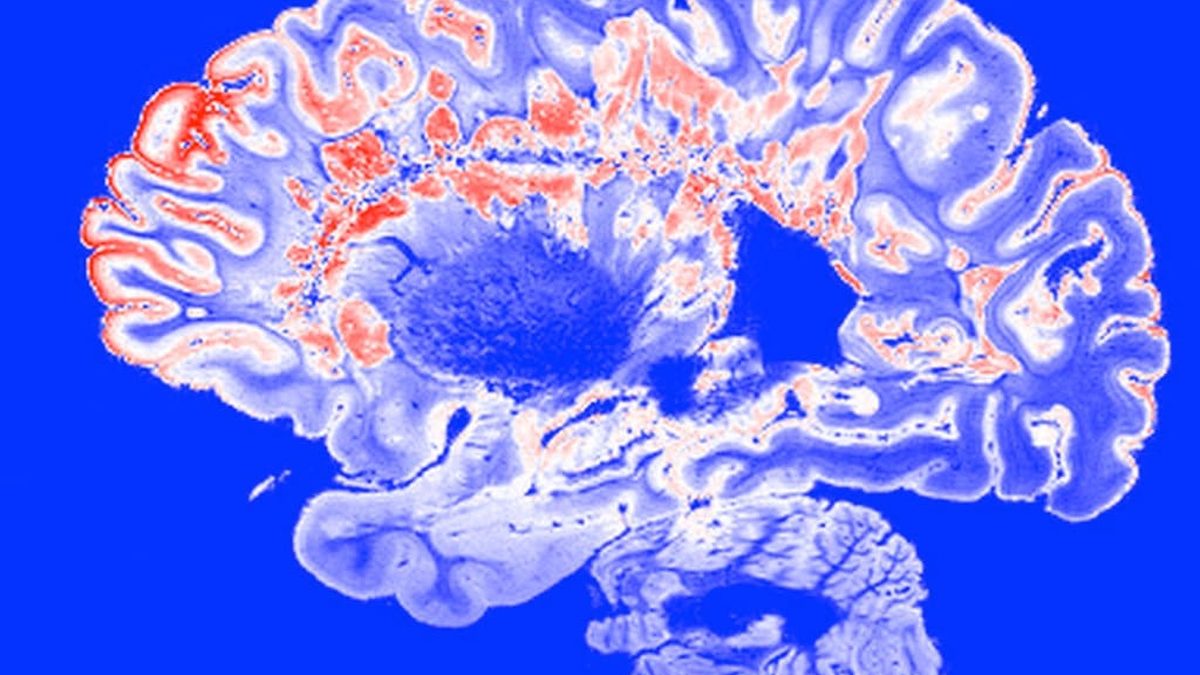
Stroke: Why Every Minute Counts, the FAST Test, the 10 Risk Factors Behind 90% of Strokes, and Why Kidney Patients Face 2–3 Times the Risk
One in four adults over 25 will have a stroke in their lifetime, and 1.9 million brain cells die every minute a stroke goes untreated. Based on AHA/ASA 2021/2024 guidelines and INTERSTROKE: the FAST test and the 4.5-hour window, the ten modifiable risk factors, how much each preventive step lowers risk, and special considerations for CKD and dialysis.
목차
How common and how serious
The World Stroke Organization estimates about 12 million new strokes and 6.5 million stroke deaths a year, and that 1 in 4 adults over 25 will have a stroke in their lifetime [1]. Stroke is the world's second leading cause of death and third leading cause of disability; incidence is higher in Asia than in Europe or North America, with a larger share of haemorrhagic stroke (about 20–30% vs 10–15%) [1].
Two main types [2]:
- Ischaemic stroke (≈85%): a vessel is blocked by a clot — from atherosclerosis of brain or carotid arteries, or a clot thrown from the heart in atrial fibrillation.
- Haemorrhagic stroke (≈15%): a vessel ruptures, most often from long-standing uncontrolled hypertension.
Transient ischaemic attack (TIA, "mini-stroke"): the same symptoms resolving completely within 24 hours (usually within an hour). A TIA is not a near miss; it is the strongest warning — stroke risk in the next 90 days is about 10–17%, half of it within 48 hours [2].
FAST: 1.9 million brain cells die every minute
In ischaemic stroke, about 1.9 million neurons die each minute [3]. Intravenous thrombolysis (alteplase/tenecteplase) must be given within 4.5 hours of symptom onset; mechanical thrombectomy for large-vessel occlusion can extend to 24 hours with imaging selection — but earlier is always better, and every 15-minute delay reduces the chance of a good outcome [2][3].
The FAST test [1][2]:
| What to check | |
|---|---|
| Face | Ask the person to smile — does one side droop? |
| Arms | Ask them to raise both arms — does one drift down? |
| Speech | Ask them to repeat a sentence — slurred, jumbled, or unable? |
| Time | Any one sign → call emergency services now and note the time symptoms began |
Also be alert to other sudden symptoms: sudden loss or blurring of vision in one or both eyes, sudden severe headache ("worst of my life"), sudden loss of balance or difficulty walking, numbness on one side of the body [2].
Three common mistakes:
- "Let's wait and see if it passes" — seek care even if TIA symptoms resolve.
- Driving yourself or being driven by family — an ambulance goes straight to a stroke-ready hospital and pre-alerts the team.
- Giving food, drink or aspirin — choking risk, and aspirin worsens a haemorrhagic stroke.
Ten risk factors explain 90% of strokes
INTERSTROKE (32 countries, nearly 27,000 participants) found that ten modifiable risk factors account for about 90% of strokes [4]:
| Risk factor | Population attributable fraction | Notes |
|---|---|---|
| Hypertension | 47.9% | The single most important factor; even larger for haemorrhagic stroke |
| Physical inactivity | 35.8% | Regular weekly exercise markedly lowers risk |
| Dyslipidaemia (ApoB/ApoA1 ratio) | 26.8% | |
| Unhealthy diet | 23.2% | Mediterranean/DASH patterns protect |
| High waist-to-hip ratio (abdominal obesity) | 18.6% | Predicts better than BMI |
| Psychosocial stress/depression | 17.4% | |
| Smoking | 12.4% | Risk approaches that of never-smokers within 5 years of quitting |
| Cardiac causes (incl. atrial fibrillation) | 9.1% | AF raises stroke risk fivefold |
| Alcohol (excess) | 5.8% | |
| Diabetes | 3.9% |
In Asian populations, hypertension and alcohol contribute even more [4].
Prevention: how much each step helps
Primary prevention (no prior stroke), AHA/ASA 2024 [5]:
- Blood pressure: each 10 mmHg lower systolic cuts stroke risk by about 27–30%; target <130/80. The highest-yield action.
- Atrial fibrillation: anticoagulation (DOACs) lowers stroke risk by about 64%; check your pulse or have an ECG regularly from age 65.
- Exercise: ≥150 min/week moderate intensity lowers risk by 25–30%.
- Diet: the Mediterranean diet (PREDIMED) cut stroke by about 40%; less sodium, more fruit and vegetables.
- Lipids: statins lower stroke by about 20% in high-risk people.
- Diabetes: glucose control helps small-vessel disease; SGLT2i/GLP-1 RA add cardiovascular protection.
- Stop smoking, limit alcohol (≤1–2 drinks/day).
- Aspirin is not recommended for primary prevention in people without cardiovascular disease (bleeding outweighs benefit) [5].
Secondary prevention (after stroke/TIA), AHA/ASA 2021 [2]:
- Antiplatelet therapy (aspirin ± short-term clopidogrel) or anticoagulation if AF.
- High-intensity statin, LDL target <70 mg/dL.
- Blood pressure <130/80.
- Symptomatic carotid stenosis ≥70%: endarterectomy or stenting.
- Screen for and treat sleep apnoea.
- Start rehabilitation early; most gains occur in the first 3–6 months, but improvement continues beyond.
Kidney patients: why the risk is 2–3 times higher
Stroke risk in CKD is about 2–3 times the general population and 5–10 times in dialysis, with a particularly high share of haemorrhagic stroke [6]. Why:
- High rates of hypertension, diabetes and atrial fibrillation (10–25% of dialysis patients have AF).
- Vascular calcification and endothelial dysfunction: uraemic toxins, phosphate and parathyroid abnormalities accelerate arterial disease.
- Platelet dysfunction: CKD increases both clotting and bleeding tendency — the central therapeutic dilemma.
- Blood-pressure swings during dialysis: intradialytic hypotension can cause watershed ischaemia.
- Anaemia, chronic inflammation, oxidative stress.
Practical points [2][6]:
- Blood-pressure control is the most effective stroke prevention for kidney patients, but dialysis targets must be individualised to avoid intradialytic hypotension.
- For anticoagulation decisions in CKD with AF, see this site's atrial fibrillation article; evidence is weak at eGFR <15 or on dialysis, requiring joint cardiology–nephrology assessment.
- CKD is not a contraindication to thrombolysis in acute stroke, though bleeding risk is somewhat higher; tell the emergency team about your kidney disease, dialysis schedule and medications.
- Post-stroke rehabilitation and drug therapy in dialysis (statin benefit evidence is weaker) need individual tailoring.
- Transplant recipients: tacrolimus-related hypertension and post-transplant diabetes are stroke risk factors — controlling them is prevention.
When to seek care immediately
Call emergency services (do not go on your own): any FAST sign; sudden severe headache; sudden loss of vision in one or both eyes; sudden severe vertigo with unsteadiness or double vision; even if symptoms resolve within minutes.
Within 24 hours: brief FAST-type symptoms in the past few days that were not assessed (the high-risk TIA window).
Routine appointment: multiple risk factors never assessed; over 65 and never had an ECG; BP persistently >140/90.
Questions to ask your doctor
- What are my stroke risk factors, and which should be tackled first?
- Do I need a carotid ultrasound or an ECG?
- Do I (and my family) know FAST? Where is the nearest stroke centre?
- (CKD) What is my BP target? What if my pressure drops too low on dialysis?
- (AF) Do I need an anticoagulant?
References
- World Stroke Organization. Global Stroke Fact Sheet 2022. Feigin VL, et al. Int J Stroke. 2022;17(1):18–29. https://doi.org/10.1177/17474930211065917
- Kleindorfer DO, et al. 2021 AHA/ASA Guideline for the Prevention of Stroke in Patients With Stroke and TIA. Stroke. 2021;52(7):e364–e467. https://doi.org/10.1161/STR.0000000000000375
- Saver JL. Time is brain—quantified. Stroke. 2006;37(1):263–266. https://doi.org/10.1161/01.STR.0000196957.55928.ab
- O'Donnell MJ, et al. INTERSTROKE. Lancet. 2016;388(10046):761–775. https://doi.org/10.1016/S0140-6736(16)30506-2
- Bushnell C, et al. 2024 AHA/ASA Guideline for the Primary Prevention of Stroke. Stroke. 2024;55(12):e344–e424. https://doi.org/10.1161/STR.0000000000000475
- Kelly DM, Rothwell PM. Prevention and treatment of stroke in patients with chronic kidney disease: an overview of evidence and current guidelines. Kidney Int. 2020;97(2):266–278. https://doi.org/10.1016/j.kint.2019.09.024
This article compiles publicly available medical information for educational purposes only. It is not medical advice and has not been reviewed by a practising physician. For any health or medication question, consult a qualified professional. For chest pain, sudden breathlessness, one-sided weakness or slurred speech, call your local emergency number or go to the emergency department immediately.
변경 기록
- 初版:依 AHA/ASA 2021 次級預防指引、2024 初級預防指引、WSO 2022 全球統計與 INTERSTROKE 研究整理。
Where to go next
Related knowledge
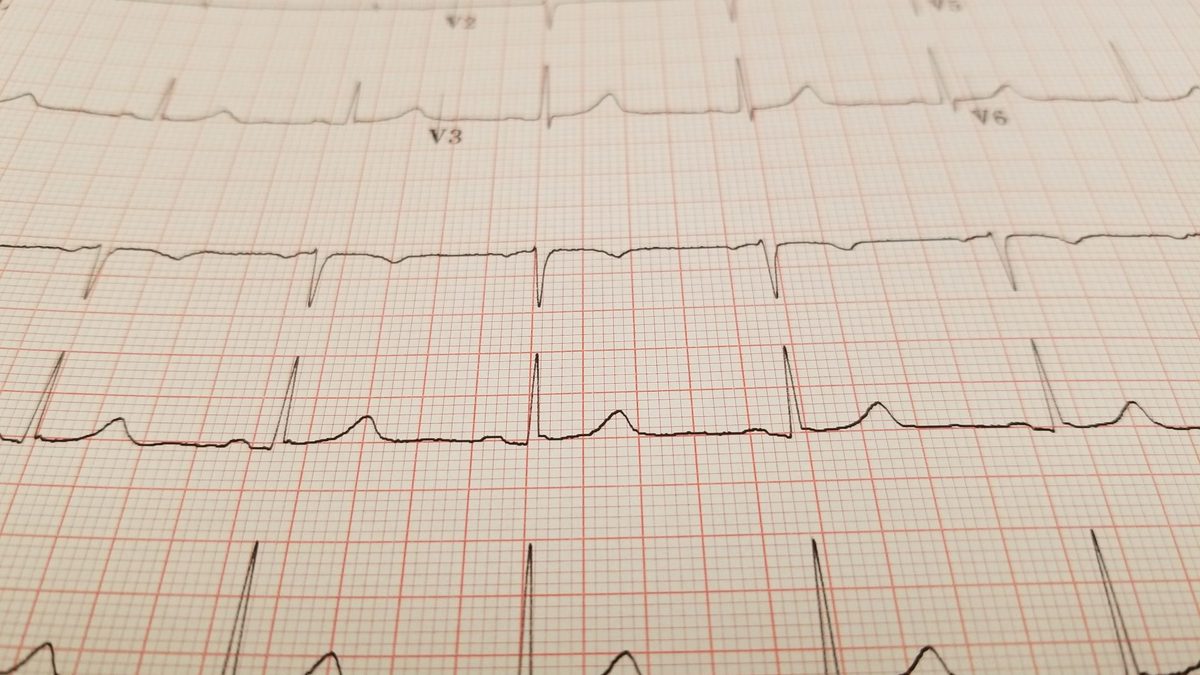
Atrial Fibrillation: Why It Raises Stroke Risk Fivefold, How to Score CHA₂DS₂-VA, and Choosing Anticoagulants When Kidneys Are Weak
Atrial fibrillation is the most common sustained arrhythmia; it raises stroke risk about f…
查核:「中風了也沒藥醫,先在家觀察一晚、明天再看醫生」是真的嗎?
完全錯誤。缺血性中風有兩種時間窗口內有效的治療:靜脈血栓溶解(4.5 小時內)與動脈取栓(大血管阻塞可至 24 小時)。
查核:「小中風症狀幾分鐘就好了,不用急著去醫院」是真的嗎?
錯誤且危險。暫時性腦缺血(TIA)是「真正中風的預警」:即使在今日有專科急診快速評估的體系下,TIA 後 2 天內中風風險 1.5%、7 天 2.1%、90 天 3.7%…
Related global data
뇌신경과 마음 · 세계 질병 인구 통계Global burden and trends for this topic (with sources and years)Lived experience

After Rebirth: From Dialysis Patient to Health Educator — Choosing to Return to the Ward
Shock at birth led to chronic glomerulonephritis; dialysis began at 26; a kidney transplan…

Why Did I End Up on Dialysis?
A difficult birth, shock and oxygen deprivation damaged both my kidneys. As a teenager I s…
