Rehabilitation & Sports Medicine
5 min read
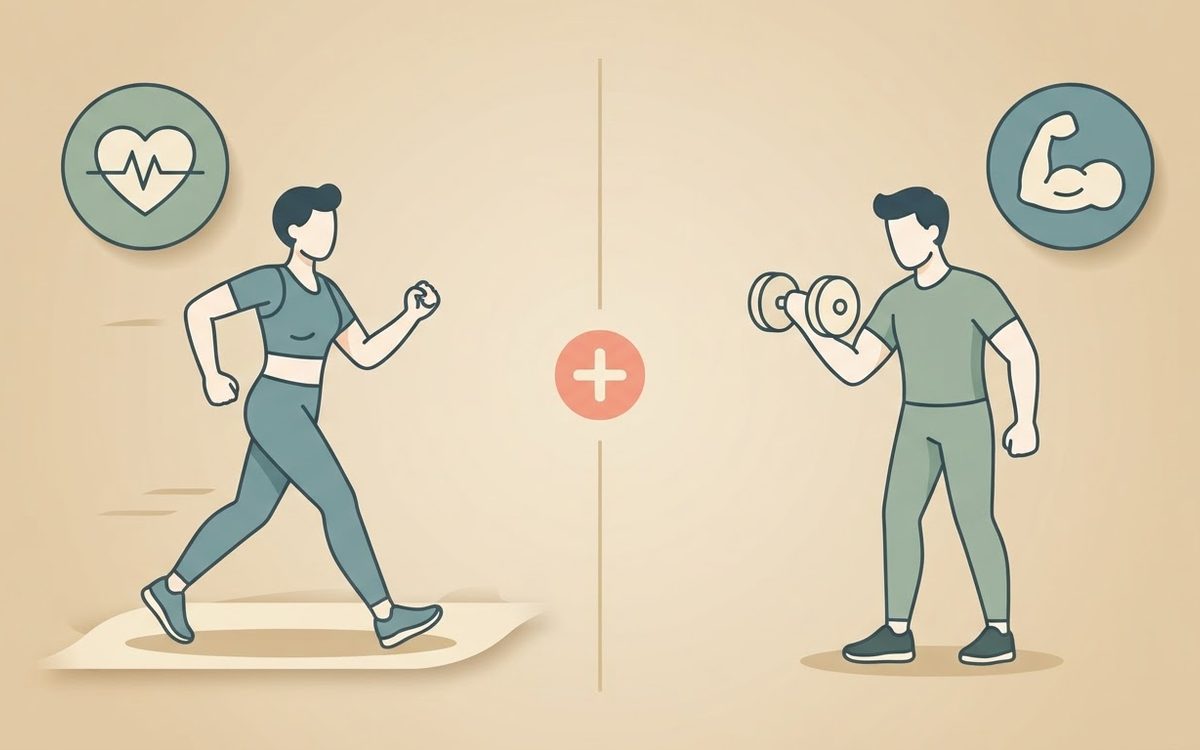
有氧運動與阻力訓練的差異及搭配方式
說明有氧(心肺)與阻力(肌力)運動的生理差異、各自好處,介紹WHO建議的每週運動量、談話測試判斷強度,以及一週範例安排與慢性病族群的調整原則。
Evidence-based
Plain-language health knowledge grounded in clinical guidelines and systematic reviews: kidney (CKD, dialysis, transplant, diet, exercise) is our core, extending to heart, liver, lungs, bones, brain and metabolism.
Resistance training, aerobic fitness, balance and coordination, mobility, beginner and midlife/older-adult programming, and building habits for desk workers.
Read this when:You want to start or adjust an exercise routine and do it on evidence, without getting hurt.
Topics
If you develop chest pain, breathlessness, fainting, sudden one-sided weakness or slurred speech, severe pain, an obviously deformed joint or inability to bear weight during exercise or rehab, stop immediately and seek emergency medical care.
Next steps · Rehabilitation & Sports Medicine
Guided flow:I want to start exercising or rehabTools for this topic
說明有氧(心肺)與阻力(肌力)運動的生理差異、各自好處,介紹WHO建議的每週運動量、談話測試判斷強度,以及一週範例安排與慢性病族群的調整原則。

說明世衛建議的肌力訓練頻率,從自體重量與彈力帶安全起步、暖身與收操、常見錯誤與警訊,並提醒慢性病與透析患者先與醫療團隊討論。
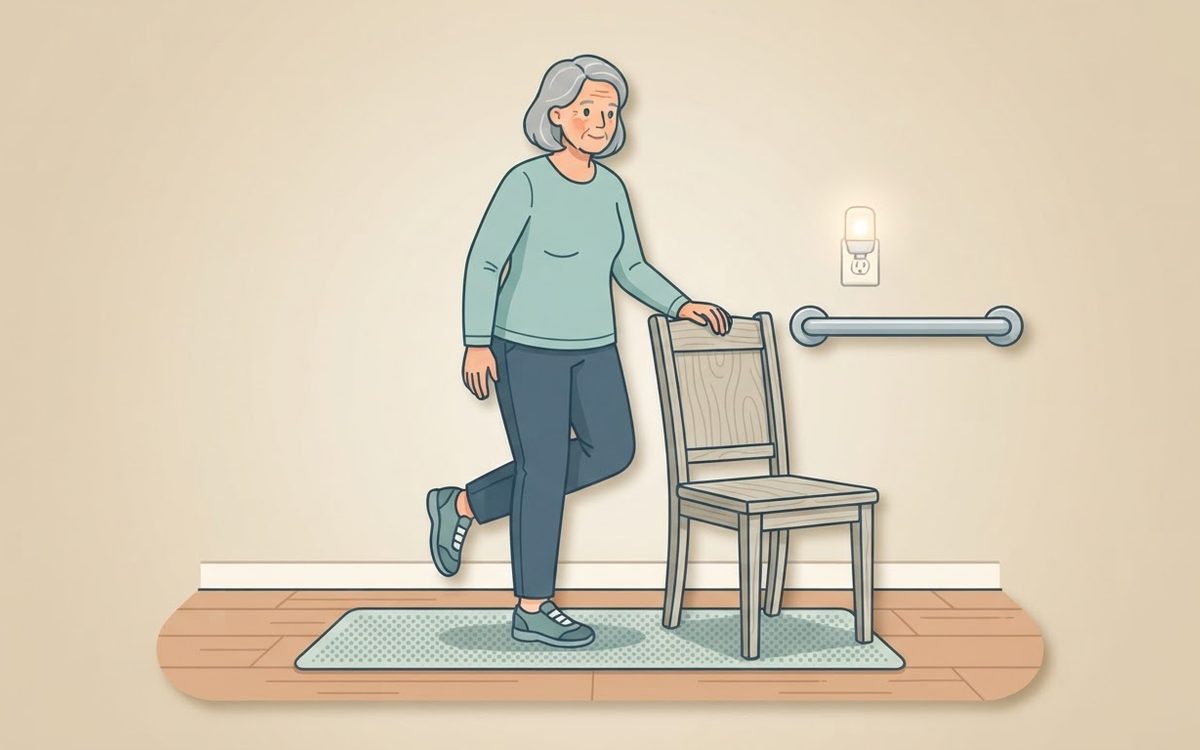
介紹高齡者跌倒的常見原因、WHO與英國指南建議的運動方向,並說明居家防跌、用藥討論與何時就醫的重點。

Add Beyond CKD to your home screen
Open it like an app, and read articles and tools you have visited even when offline.